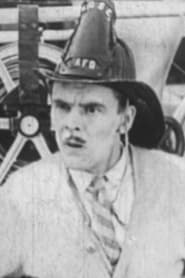
Frank Butler
Actor & Director
Born: December 28, 1889 in Oxford, Ohio, USA Died: June 10, 1967 Active: 1921-1928
Films
4 films
About Frank Butler
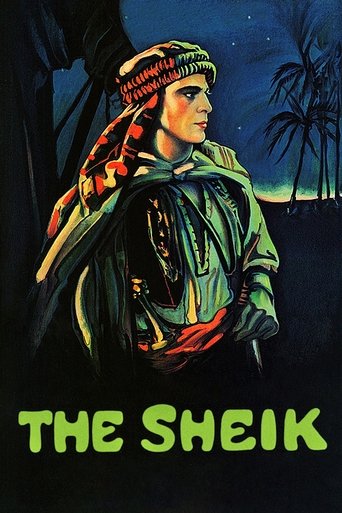
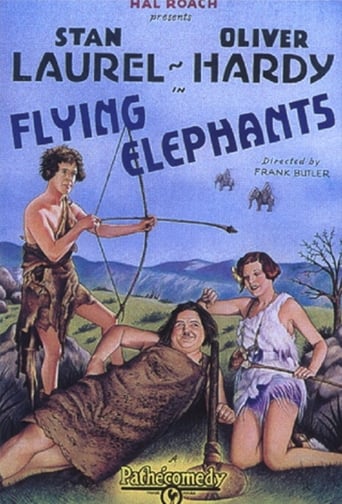
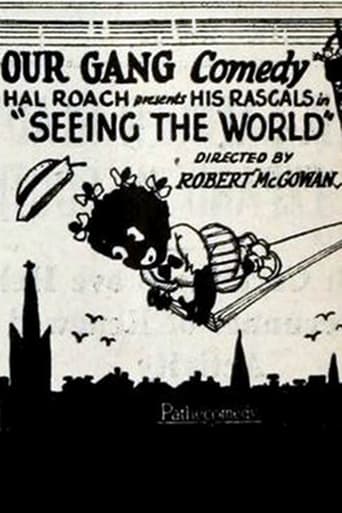
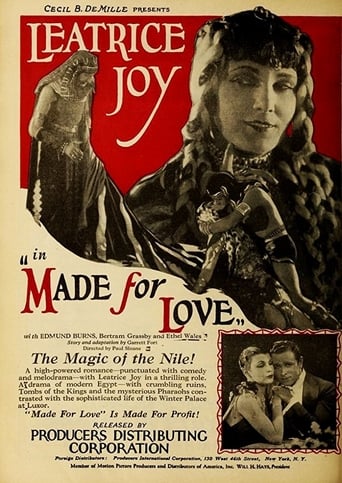
Versatile performer and filmmaker during the silent era, working as both an actor and director in Hollywood's golden age of comedy. He began his acting career in the early 1920s, appearing in numerous supporting roles that showcased his comedic timing and character acting abilities. His most notable acting appearance was in the landmark film 'The Sheik' (1921) starring Rudolph Valentino, where he played a supporting role in this cultural phenomenon that defined the romantic desert adventure genre. Throughout the mid-1920s, Butler continued to build his reputation in comedy shorts and features, appearing in films like 'Made for Love' (1926) and 'Seeing the World' (1927), which demonstrated his ability to adapt to various comedic styles and formats. In 1928, Butler transitioned behind the camera to direct 'Flying Elephants,' a comedy short that reflected his understanding of visual humor and slapstick timing that he had developed as an actor. His career, though relatively brief, spanned the crucial transition years of silent cinema, and he worked with many of the era's prominent comedy talents. Butler's dual experience as both performer and director gave him unique insights into the mechanics of silent comedy, making him a valuable contributor to the genre during its final years before the advent of sound.
The Craft
On Screen
Butler specialized in character acting with a focus on comedic timing and physical humor. His performances were marked by expressive facial contortions and exaggerated gestures that were essential for conveying emotion and humor in silent films. He had a particular talent for playing befuddled or exasperated characters, often serving as the perfect foil to more boisterous comedy leads. His background in vaudeville likely contributed to his understanding of visual comedy and audience engagement.
Behind the Camera
As a director, Butler employed the fast-paced visual comedy techniques popular in late silent era shorts. His work emphasized physical gags, chase sequences, and situational comedy that required minimal intertitles. Having been an actor himself, he had an intuitive understanding of comedic timing and how to elicit the best performances from his cast. His directing approach was practical and efficient, focusing on clear visual storytelling that could be understood across language barriers.
Milestones
- Appeared in the blockbuster hit 'The Sheik' (1921) starring Rudolph Valentino
- Transitioned successfully from acting to directing
- Directed the comedy short 'Flying Elephants' (1928)
- Worked extensively in the comedy short film format
- Participated in the final years of silent cinema before the transition to sound
Best Known For
Iconic Roles
Must-See Films
Working Relationships
Worked Often With
Studios
Why They Matter
Impact on Culture
Frank Butler contributed to the silent comedy tradition during its final flourishing years before the sound revolution. His work in 'The Sheik' placed him within. As both actor and director, Butler participated in the collaborative art form that defined silent cinema, where visual storytelling and physical comedy transcended language barriers. His career trajectory from performer to director reflected the mobility and versatility possible in early Hollywood, where talent could move between different aspects of filmmaking.
Lasting Legacy
Though not as widely remembered as some of his contemporaries, Frank Butler represents the countless skilled craftsmen who contributed to Hollywood's silent era. His dual role as actor and director exemplifies the hands-on, multi-talented nature of early filmmaking. His participation in 'The Sheik' ensures his place in cinema history as part of. The comedy shorts he worked in, both in front of and behind the camera, were part of the training ground for many future comedy stars and directors.
Who They Inspired
While specific records of his direct influence on other filmmakers are limited, Butler's work in the comedy short format contributed to the development of visual comedy techniques that would influence later generations of comedians and directors. His transition from acting to directing demonstrated a career path that would be followed by many filmmakers in subsequent decades, showing the value of understanding performance from both sides of the camera.
Off Screen
Frank Butler maintained a relatively private personal life away from the Hollywood spotlight. Born in Ohio at the end of the 19th century, he was part of the generation that witnessed the birth and evolution of the motion picture industry. Like many silent era performers, his career was significantly impacted by the transition to sound films, which likely contributed to his retirement from filmmaking in the late 1920s. After leaving the film industry, he lived a quieter life away from the public eye.
Education
Limited information is available about his formal education, though his performance skills suggest possible vaudeville training or theatrical experience common among silent era actors.
Did You Know?
- Appeared in 'The Sheik' (1921),
- His directing career consisted primarily of comedy shorts
- Worked during the pivotal transition period from silent to sound films
- Like many silent era actors, his career ended with the advent of talkies
- His film 'Flying Elephants' (1928) was released during the final year of significant silent film production
- Participated in the comedy short film format that was crucial to early Hollywood
- His active years covered exactly the period when silent cinema reached its artistic peak
- Worked with some of the biggest stars of the silent era, including Rudolph Valentino
Frequently Asked Questions
Who was Frank Butler?
American actor and on YTB.my. He was known for his work in comedies and appeared in notable films including 'The Sheik' (1921) before transitioning to directing with films like 'Flying Elephants' (1928).
What films is Frank Butler best known for?
Titles linked here include The Sheik (1921), Flying Elephants (1928).
When was Frank Butler born and when did he die?
Born December 28, 1889; died June 10, 1967.
What awards did Frank Butler win?
There are no recorded major awards or nominations for Frank Butler's work in silent cinema. Like many actors and directors of his era, his contributions were primarily recognized through his continued employment and the success of his films rather than formal awards.
What was Frank Butler's acting and directing style?
As an actor, Butler specialized in character comedy with expressive physical gestures and facial expressions essential for silent films. His directing style emphasized fast-paced visual humor, physical gags, and clear storytelling that worked well in the short comedy format popular during the late silent era.