
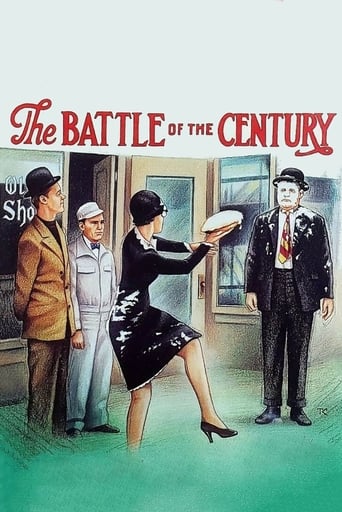
Flying Elephants
"Cavemen Stan and Ollie vie for the affections of a stone-age beauty."
Keys: Space play/pause · ←/→ 10s · F fullscreen · M mute · </> speed
About this film
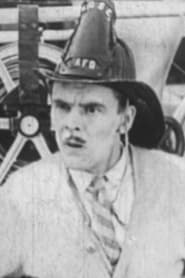
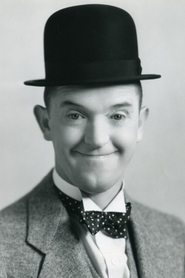
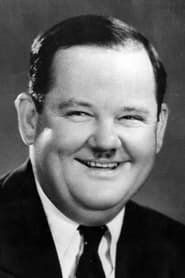
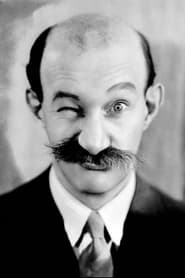
It stars Stan Laurel and Oliver Hardy as a pair of battling cavemen. Cavemen Stan and Ollie vie for the affections of a stone-age beauty.
Cast & crew
More films like this
More Comedy films
View all →







More from Frank Butler
View all →
More about this film
About the production
Release dateMarch 10, 1928
Box officeBox office figures not specifically recorded for individual shorts, but performed well as part of Hal Roach's successful comedy slate
ProductionHal Roach Studios
Filmed inHal Roach Studios, Culver City, California
Filmed during the transitional period between silent and sound films, this short was one of several Laurel and Hardy comedies produced before their official teaming became permanent. The production utilized elaborate cave sets and prehistoric props, showcasing Hal Roach Studios' commitment to quality production values even for short subjects. The 'flying elephants' sequence required innovative special effects for the time, using miniatures and matte photography techniques.
Themes
Competition and rivalryMale competition for female attentionThe absurdity of romantic pursuitPrehistoric society as mirror for modern behaviorDreams vs. reality
Themes & topics
cavemenprehistoriccompetitionslapsticksilent comedylove trianglephysical comedyfantasy sequenceshort filmLaurel and Hardy
Historical background
Made in 1928, in United States, under Frank Butler, Flying Elephants belongs to comedy film filmmaking amid the silent era's rapid stylistic experiments. Flying Elephants is a two-reel silent film from 1928 directed by Frank Butler and co-written and produced by Hal Roach.
Why this film matters
Within comedy film history, Frank Butler's name attaches to the work; surviving prints help researchers study silent-era craft; 1928 film by Frank Butler.
Making of
The production of 'Flying Elephants' took place during a fascinating transitional period in Hollywood history. While Laurel and Hardy had appeared together in previous films, 1928 marked the year when Hal Roach officially decided to make them a permanent comedy team. This film was essentially a test of their on-screen chemistry in a leading capacity. The prehistoric setting allowed for creative freedom in physical comedy, with the actors able to incorporate exaggerated movements and reactions that might seem out of place in contemporary settings. The filming required extensive preparation of cave sets and primitive props, with the art department creating detailed stone-age environments. The most challenging sequence involved the titular flying elephants, which required innovative use of miniatures, wires, and early matte photography techniques. Director Frank Butler, who primarily worked as a writer, brought a unique comedic sensibility to the project, emphasizing visual gags over dialogue, which was perfect for the silent format. The cast reportedly had great fun with the primitive costumes, though they found them cumbersome during the physically demanding slapstick sequences.
What critics said
Contemporary reviews of Flying Elephants are sparse in open sources; later catalog entries chiefly summarize plot and credits.
Did you know?
- This film was released before Laurel and Hardy were officially established as a permanent comedy team by Hal Roach Studios
- The 'flying elephants' in the title appear only briefly in a dream sequence, making the title somewhat misleading to audiences expecting more elephant content
- James Finlayson, who appears in the film, would become among the leading frequent supporting actors in Laurel and Hardy's later films
- The prehistoric setting was inspired by the popularity of 'caveman' comedies during the late 1920s, following the success of films like 'The Caveman' (1926)
- This was one of the last silent shorts Laurel and Hardy made before transitioning to sound films
- The stone-age costumes were designed by Hal Roach's regular costume department and were reportedly quite uncomfortable for the actors during filming
- The film's special effects, particularly for the flying sequence, were considered quite advanced for a short comedy of its time
- Dorothy Coburn, who played the female lead, appeared in several Laurel and Hardy shorts during this period
- The original negative was thought lost for decades before being rediscovered in the 1970s
- The film was re-released in the 1930s with a synchronized music score and sound effects during the sound conversion period
Visual style
The cinematography in 'Flying Elephants' was handled by Hal Roach Studios' regular cameramen, likely including George Stevens or other staff cinematographers. The visual style employed typical silent comedy techniques with dynamic camera movement to enhance the physical comedy. The prehistoric sets were lit to create dramatic shadows and depth, giving the cave environments an atmospheric quality beyond what was typical for comedy shorts. The flying elephant sequence required innovative camera work, combining forced perspective, matte shots, and miniature photography to create the illusion of elephants in flight. The cinematography effectively captured the exaggerated physical performances of Laurel and Hardy, using medium shots and close-ups to emphasize their reactions and facial expressions, which were crucial in silent comedy. The camera work during slapstick sequences was particularly notable for its ability to follow the fast-paced action while maintaining clarity and comedic timing.
Innovations
The most notable technical achievement in 'Flying Elephants' was the flying elephant sequence, which represented sophisticated special effects for a 1928 comedy short. The sequence utilized a combination of techniques including miniature models, wire work, and early matte photography to create convincing illusions of elephants in flight. The cave sets were constructed with remarkable detail for a short subject, featuring realistic rock textures and prehistoric props that enhanced the film's fantasy elements. The production also employed innovative camera techniques to capture the physical comedy, including tracking shots that followed the actors' movements during chase sequences. The film's makeup effects, creating the caveman appearances, were particularly elaborate for the time, requiring daily applications that took several hours. The lighting design for the cave scenes was technically challenging, requiring careful placement of lights to create atmospheric effects while ensuring the actors remained visible for the comedy to register clearly.
Music
As a silent film, 'Flying Elephants' was originally presented without synchronized dialogue or sound effects. The musical accompaniment would have been provided live in theaters, typically by a pianist or small orchestra using cue sheets provided by the studio. These cue sheets suggested appropriate musical themes for different scenes, with comedic moments accompanied by lively, playful music and romantic scenes featuring more melodic themes. When the film was re-released in the early 1930s during the sound conversion period, it was given a synchronized musical score and sound effects, though no dialogue was added. Modern restorations have included newly composed scores by silent film music specialists, typically using piano or small ensemble instrumentation appropriate to the period. The original musical cues for this film have not survived, but contemporary musicians base their accompaniments on typical practices of late 1920s comedy shorts.
Famous quotes
(As silent intertitles) 'I will win the fair Agnes if it takes all eternity!'
(As silent intertitles) 'Your club is bigger than mine, but my heart is bigger!'
(As silent intertitles) 'In the Stone Age, love was primitive... and so were we!'
Memorable scenes
- The elaborate flying elephant dream sequence where surreal elephants soar through prehistoric skies, showcasing impressive 1928 special effects
- The competitive club-swinging contest between Stan and Ollie, escalating from playful rivalry to destructive chaos
- The scene where both cavemen attempt to impress Agnes with increasingly ridiculous displays of 'strength' and 'courage'
- The final chase sequence through the cave sets, featuring classic Laurel and Hardy physical comedy timing
- The moment when both rivals simultaneously realize they've been outsmarted by their own foolishness
What audiences thought
Audiences in 1928 responded positively to 'Flying Elephants,' particularly enjoying the novelty of the prehistoric setting and the increasingly sophisticated gags. The film performed well in theaters as part of comedy short packages, which were popular entertainment during the era. Modern audiences, primarily classic film enthusiasts and Laurel and Hardy fans, generally appreciate the short for its historical significance and early examples of the duo's comedy style. The film is frequently screened at silent film festivals and classic comedy retrospectives, where it receives warm responses from audiences familiar with Laurel and Hardy's later work. Many viewers note the pleasure of seeing the duo's chemistry in its developmental stages, even if the material isn't as polished as their later classics. The surreal flying elephant sequence often generates particular interest and discussion among contemporary viewers, who are impressed by the special effects achieved in 1928.
Film connections
Influenced by
- Earlier caveman comedies like 'The Caveman' (1926)
- Buster Keaton's fantasy sequences
- Harold Lloyd's elaborate physical comedy
- General silent era slapstick traditions
- Hal Roach Studios' comedy style
This film influenced
- Later Laurel and Hardy films that developed their team dynamic
- Other Hal Roach comedy shorts of the late 1920s
- Prehistoric comedies of the early sound era
- Comedy team films that followed the Laurel and Hardy model
Film restoration
The film has survived and is preserved in various film archives, including the Library of Congress and the UCLA Film & Television Archive. While the original camera negative is lost, good quality 35mm prints exist and have been used for home video releases. The film underwent restoration in the 1990s as part of a larger Laurel and Hardy preservation project. Some deterioration is visible in existing prints, particularly in the flying elephant sequence, but the film remains watchable and complete. No original color-tinted versions are known to survive, as was common with some silent films of the era.
Where to watch
- The film is included in several Laurel and Hardy DVD collections, particularly 'The Laurel & Hardy Collection: The Early Years'
- Available on streaming services specializing in classic films such as The Criterion Channel
- Can be found on YouTube through official classic film channels
- Included in the 'Laurel & Hardy: The Essential Collection' Blu-ray set
- Occasionally screened at silent film festivals and classic cinema retrospectives
- Available through some public library classic film collections