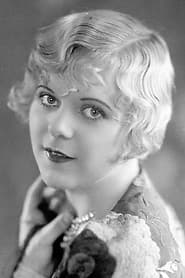
Edna Marion
Actor
Born: November 12, 1906 in San Antonio, Texas, USA Died: March 3, 1957 Active: 1927-1928
Films
5 films
About Edna Marion
Made her mark during the final years of the silent film era, specializing in comedy shorts for Hal Roach Studios. Born in Texas in 1906, she moved to Los Angeles to pursue an acting career and quickly found work in the thriving comedy short film industry. During her brief but active career from 1927 to 1928, she appeared in numerous popular comedy productions, often playing the romantic interest or female lead opposite established comedy stars like Charley Chase and the comedy duo Laurel & Hardy. Her performances showcased the classic style of silent film acting, relying heavily on facial expressions and physical comedy to convey emotion and humor. Marion worked alongside some of the biggest names in comedy during this transitional period in Hollywood history, appearing in several films that would later be recognized as classics of silent comedy. Her career coincided with the end of the silent era, and like many actors of her generation, she did not successfully transition to sound films. After 1928, she largely disappeared from the film industry, though she remained connected through her marriage to director James Parrott.
The Craft
On Screen
Edna Marion employed the classic silent film acting style characterized by exaggerated facial expressions and physical comedy. As a comedy actress, she specialized in playing the straight woman to male comedians, often serving as the romantic interest or object of affection in comedic situations. Her performances relied heavily on visual gags, expressive gestures, and the ability to react comedically to the slapstick antics of her male co-stars. Marion demonstrated a natural comedic timing and the ability to convey emotion through subtle expressions, which was essential in the medium of silent film where dialogue was absent.
Milestones
- Supporting actress in Hal Roach comedy productions
- Regular player in Charley Chase comedy shorts
- Appeared in multiple Laurel & Hardy films during their early partnership
- Part of the ensemble cast in several classic silent comedy shorts
- Worked during the transition period from silent to sound films
Best Known For
Iconic Roles
Must-See Films
Working Relationships
Worked Often With
Studios
Why They Matter
Impact on Culture
Edna Marion's cultural impact, while limited by her brief career, represents the important role of supporting actresses in silent comedy films. As part of the Hal Roach comedy machine, she contributed to the development of the short comedy format that would influence generations of filmmakers. Her work with Laurel & Hardy during their formative years as a team helped establish the dynamic that would make them international comedy stars. Marion represents the countless actresses who were essential to the success of silent comedies but whose names have been largely forgotten by film history. Her performances in these films have been preserved and studied by silent film enthusiasts and scholars interested in the collaborative nature of early comedy production.
Lasting Legacy
Edna Marion's legacy lies primarily in her contributions to the golden age of silent comedy shorts, particularly through her work with Hal Roach Studios. Though her career was brief, the films she appeared in have endured as classics of silent cinema, frequently shown at film festivals and archived by preservation societies. Her performances serve as valuable examples of the typical female supporting role in silent comedy, providing insight into the gender dynamics of early film comedy. Marion is remembered by film historians as one of the many talented actresses who populated the backgrounds of classic comedies, helping to create the perfect comedic atmosphere while allowing the male stars to shine. Her story also illustrates the precarious nature of fame in early Hollywood, where careers could be as brief as they were bright.
Who They Inspired
Edna Marion's influence on subsequent performers is primarily indirect, through the films in which she appeared that have been studied by later generations of comedians and filmmakers. The comedy techniques and timing demonstrated in Hal Roach productions influenced countless future comedy filmmakers, from the Marx Brothers to modern comedy directors. Marion's work as a supporting actress in these films helped establish templates for how female characters could effectively contribute to comedy without being the primary focus of humor. Her performances continue to be analyzed by film scholars studying the collaborative nature of silent film comedy and the essential role of ensemble players in creating successful comedic works.
Off Screen
Edna Marion married James Parrott, a prominent director and actor at Hal Roach Studios who was known for his work directing Laurel & Hardy films. Parrott was also Hal Roach's brother-in-law, which likely helped Marion secure her position within the Roach comedy troupe. The marriage connected her to. After her film career ended, Marion appears to have lived a private life away from the entertainment industry. She died in Los Angeles in 1957 at the age of 50, having spent nearly three decades away from the spotlight after her brief but notable film career.
Family
- James Parrott (1927-1939)
Did You Know?
- Her real name was Edna Marion Hannam, though she professionally used just Edna Marion
- She appeared in 'The Battle of the Century' (1927), which features what many consider the most famous pie fight in cinema history
- Her husband James Parrott directed many of Laurel & Hardy's greatest films, including 'Sons of the Desert' (1933)
- She worked at Hal Roach Studios during what many consider the studio's golden age of comedy production
- Her entire film active years covered just two years, from 1927 to 1928
- She frequently played characters named 'Edna' in her films, blurring the line between her real and screen persona
- Several of her films were considered lost for decades before being rediscovered in film archives
- She was part of the unofficial 'Roach Stock Company' of actors who appeared regularly in the studio's productions
- Her career ended just as the transition to sound films began, a fate shared by many silent era actors
- She died relatively young at age 50, having spent nearly 30 years away from the film industry
In Their Own Words
As a silent film actress, Edna Marion's performances relied on visual expression rather than spoken dialogue, making traditional quotes unavailable from her film work
Frequently Asked Questions
Who was Edna Marion?
American actress who worked in silent comedy films during 1927-1928, primarily for Hal Roach Studios. She appeared in numerous comedy shorts alongside stars like Charley Chase and Laurel & Hardy, often playing romantic interests or supporting female roles in these classic silent comedies.
What films is Edna Marion best known for?
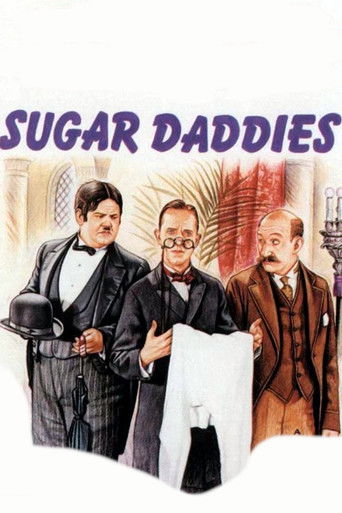
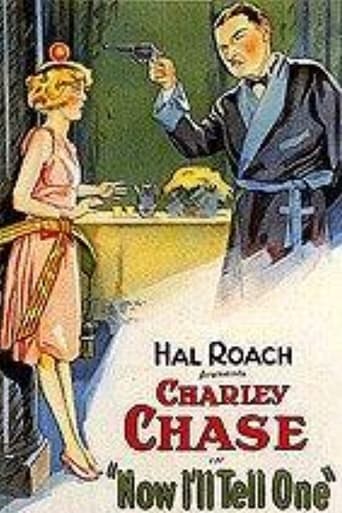
Titles linked here include Sugar Daddies (1927), Now I'll Tell One (1927).
When was Edna Marion born and when did she die?
Born November 12, 1906; died March 3, 1957.
What awards did Edna Marion win?
Edna Marion did not receive any major awards or nominations during her brief career. As a supporting actress in comedy shorts during the silent era, she worked behind the scenes of productions that would later be recognized as classics, but received little formal recognition at the time.
What was Edna Marion's acting style?
Edna Marion employed the classic silent film acting style featuring exaggerated facial expressions and physical comedy. She specialized in playing the straight woman or romantic interest to male comedians, using visual gags and expressive gestures to convey humor and emotion in the absence of dialogue.
Did Edna Marion appear in Laurel & Hardy films?
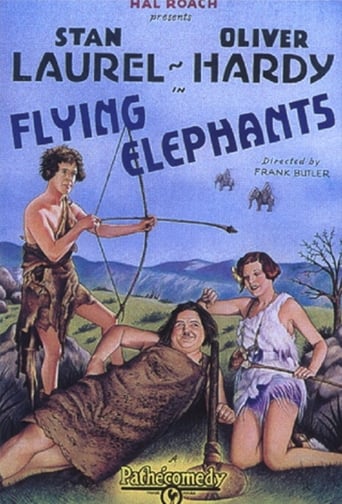
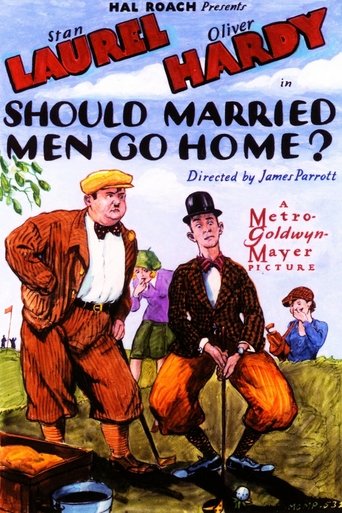
Yes, Edna Marion appeared in several early Laurel & Hardy films including 'Flying Elephants' (1928), 'Should Married Men Go Home?' (1928), 'The Battle of the Century' (1927), and 'The Second Hundred Years' (1927). These were made during the formative years of their comedy partnership.
Why did Edna Marion's career end so quickly?
Edna Marion's career ended around 1928, coinciding with the transition from silent films to talkies. Like many actors of her generation, she did not successfully make the transition to sound films, which required different acting skills and often led to studios replacing their silent-era casts with new performers better suited to talkies.