Sugar Daddies
"Oil wealth, a hangover, and a surprise bride"
Keys: Space play/pause · ←/→ 10s · F fullscreen · M mute · </> speed
About this film
After a night of carousing, a rich oil tycoon awakes to find that he was married the night before. He calls in his lawyer to straighten things out.
Cast & crew
More films like this
More Comedy films
View all →







More from Fred Guiol
View all →
More about this film
About the production
Release dateApril 16, 1927
Box officeUnknown (short films of this era were typically rented to theaters rather than sold with individual box office tracking)
ProductionHal Roach Studios
Filmed inHal Roach Studios, Culver City, California, USA
This was one of the early films where Laurel and Hardy appeared together before they were officially established as a comedy team. The film was shot during the transition period when the studio was still experimenting with pairing different comedians. James Finlayson, who plays the wealthy tycoon, would become a frequent antagonist in Laurel and Hardy films. The production utilized typical silent film techniques including exaggerated physical comedy and intertitles for dialogue.
Themes
Wealth and its complicationsMarriage and relationshipsLegal incompetenceDrunken mistakesGold digging
Themes & topics
lawyersmarriageannulmentcourtroomhangoverwealthy mangold diggermistaken identityphysical comedysilent film
Historical background
When Sugar Daddies debuted in 1927, Hal Roach Studios was among the companies feeding nickelodeons and larger houses alike.
Why this film matters
Museum programs pair Sugar Daddies with other 1927 works when discussing after a night of carousing, a rich oil tycoon awakes to find that he was married the night.
Making of
The making of 'Sugar Daddies' occurred during a pivotal time at Hal Roach Studios when producers were still experimenting with the chemistry between different comedians. Stan Laurel and Oliver Hardy had appeared together in several films before this, but the studio hadn't yet committed to them as an official team. Director Fred Guiol, who worked extensively with both comedians individually, recognized their complementary comedy styles and pushed for more collaborations. The filming took place at the Hal Roach Studios lot in Culver City, where the production team built an elaborate courtroom set that would be reused in subsequent productions. James Finlayson, a Scottish actor known for his distinctive mustache and explosive temper, was brought in to play the wealthy tycoon, a role he would perfect in later Laurel and Hardy films. The production faced the typical challenges of silent film era shooting, including the need for exaggerated physical comedy and clear visual storytelling without dialogue. The cast and crew worked long days to complete filming within the tight schedule typical of short film productions, often shooting multiple scenes in a single day.
What critics said
Archival catalogs list Sugar Daddies without citing major awards, matching its 1927 profile.
Did you know?
- This film was released before Laurel and Hardy were officially established as a permanent comedy team by Hal Roach Studios.
- James Finlayson, who plays the wealthy oil tycoon, would become among the leading frequent supporting actors in Laurel and Hardy films, often playing their antagonist.
- The film's title 'Sugar Daddies' was a play on the popular slang term of the 1920s referring to older wealthy men who provided financial support to younger women.
- This was one of over 20 films that director Fred Guiol would make with Laurel and Hardy during their careers.
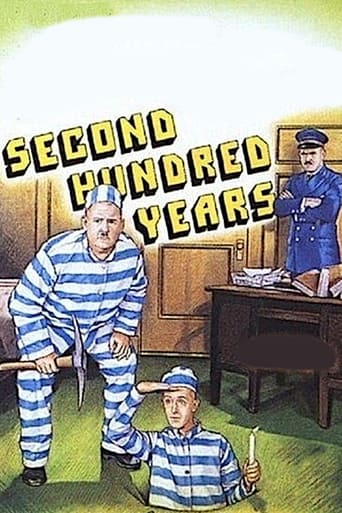
- The film was released just months before the first official Laurel and Hardy film 'The Second Hundred Years' which is widely considered the beginning of their official partnership.
- The courtroom scene in this film would become a recurring setting in many Laurel and Hardy comedies throughout their career.
- Charlotte Mineau, who plays the gold-digging bride, appeared in over 200 films during her career but is largely forgotten today.
- The film was shot during the peak of the Roaring Twenties, a time when films about wealthy people and their romantic entanglements were particularly popular.
- Despite being a short film, it was sometimes shown as the main feature in smaller theaters during its initial release.
- The physical comedy techniques displayed in this film would later become signature elements of the Laurel and Hardy comedy style.
Visual style
The cinematography in 'Sugar Daddies' was handled by Hal Roach Studios regular cinematographers, employing the standard techniques of silent film era comedy. The visual style emphasized clarity and composition to ensure the physical comedy would be easily understood by audiences without dialogue. The camera work typically used medium shots to capture the full range of physical movement while allowing for facial expressions to be visible. The courtroom scenes utilized wider shots to establish the setting before moving to closer shots for reactions and comedic beats. The film employed the typical lighting techniques of the period, with bright, even illumination to ensure clear visibility of the action. The cinematography supported the comedy by maintaining visual continuity during physical gags and ensuring that the cause-and-effect relationships in the humor were visually clear to the audience.
Innovations
While 'Sugar Daddies' did not introduce groundbreaking technical innovations, it demonstrated the mastery of established silent film techniques by the Hal Roach Studios production team. The film's editing effectively paced the comedy, allowing physical gags to land properly while maintaining narrative momentum. The production utilized the studio's established lighting and camera setups efficiently, creating a polished final product within the constraints of a short film budget and schedule. The intertitles were well-crafted to provide necessary exposition and dialogue while maintaining the film's comedic tone. The film also demonstrated effective use of props and set design to support the comedy, particularly in the courtroom scenes where the physical environment contributed to the humor. The synchronization of action between multiple performers in complex scenes showed the technical proficiency of both the cast and crew in executing coordinated comedic sequences.
Music
As a silent film, 'Sugar Daddies' did not have an original synchronized soundtrack. During its initial theatrical run, the film would have been accompanied by live musical performances typical of the era, usually a piano or organ player in smaller theaters and a small orchestra in larger venues. The musical accompaniment would have been selected from standard compilations of mood music that theaters maintained, with selections matched to the on-screen action and emotional tone. For dramatic moments, slower, more somber pieces would be used, while the comedy sequences would be accompanied by upbeat, playful music. Modern restorations and screenings of the film typically feature newly composed scores or carefully selected period-appropriate music to recreate the silent film experience for contemporary audiences. Some versions have featured scores by silent film accompanists like Robert Israel or Ben Model, who specialize in creating authentic-sounding accompaniments for silent comedies.
Famous quotes
As a silent film, dialogue was conveyed through intertitles. One memorable intertitle reads: 'Your honor, my client was temporarily insane when he got married... permanently insane if he has to stay married!'
Another intertitle during the legal proceedings: 'We, the undersigned, being of sound mind and body... well, body anyway... do hereby request an annulment!'
A frantic message from the wealthy tycoon: 'Get me my lawyers! And make it snappy! This is an emergency!'
During the courtroom chaos: 'Objection! Objection! I object to everything!'
The final resolution intertitle: 'Case dismissed... along with the bride!'
Memorable scenes
- The opening sequence where James Finlayson's character awakens with a massive hangover, gradually discovering his predicament through a series of shocking revelations about his wedding ring and new wife.
- The chaotic initial meeting between the wealthy client and his bumbling lawyers, where Laurel and Hardy demonstrate their incompetence from the moment they enter the room.
- The elaborate attempt to stage a compromising situation to grounds for annulment, which backfires spectacularly and creates even more complications.
- The climactic courtroom scene where legal procedures are completely subverted by physical comedy, with witnesses being knocked around and evidence being destroyed through slapstick mishaps.
- The final resolution sequence where the lawyers accidentally stumble upon the perfect solution to their client's problem through sheer luck rather than legal skill.
What audiences thought
Audiences in 1927 responded positively to 'Sugar Daddies,' with the film proving popular in theaters across the United States. The combination of physical comedy and relatable themes about marriage and money resonated with moviegoers of the era. The film's success helped convince Hal Roach Studios to continue experimenting with pairing Laurel and Hardy in future productions. Modern audiences, particularly fans of silent comedy and classic film, continue to enjoy the film as an example of early Laurel and Hardy work. The film is frequently screened at silent film festivals and classic cinema events, where it receives appreciative responses from contemporary viewers. Online forums and Laurel and Hardy fan communities often discuss the film as an essential viewing for understanding the development of the comedy duo's partnership.
Film connections
Influenced by
- Earlier Hal Roach comedy shorts
- Mack Sennett comedy style
- Contemporary stage comedy traditions
- Silent era courtroom comedies
This film influenced
- Later Laurel and Hardy courtroom comedies
- Other Hal Roach productions featuring similar themes
- Sound era legal comedies that borrowed similar tropes
Film restoration
Good - 'Sugar Daddies' survives in complete form and has been preserved by film archives including the Library of Congress and the UCLA Film & Television Archive. The film exists in multiple 35mm and 16mm prints, and several high-quality digital transfers have been made for home video releases. While some minor wear and deterioration is visible in existing prints, the overall image quality is quite good for a film of its age. The film has been included in several Laurel and Hardy collections and is readily accessible to modern viewers through various home media formats and streaming services.
Where to watch
- The film is included in 'The Laurel & Hardy Collection' DVD sets from various distributors
- Available on streaming services specializing in classic films such as The Criterion Channel
- Can be found on YouTube through authorized channels like the Hal Roach Studios official page
- Included in the 'Laurel & Hardy: The Essential Collection' Blu-ray set
- Sometimes broadcast on Turner Classic Movies during silent film programming blocks
- Available for digital rental or purchase on Amazon Prime Video and iTunes
- Screened periodically at silent film festivals and classic cinema events