
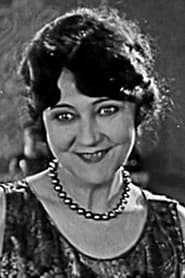
Charlotte Mineau
Actor
Born: March 24, 1886 in Cleveland, Ohio, USA Died: October 12, 1979 Active: 1915-1927
Films
18 films
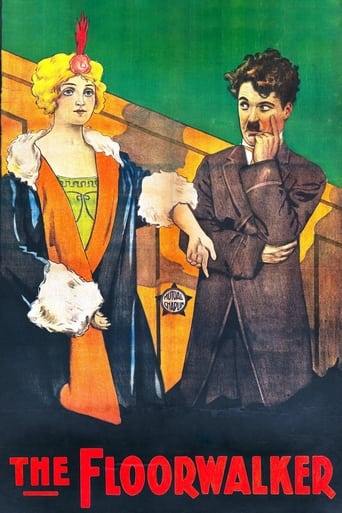
The Floorwalker
1916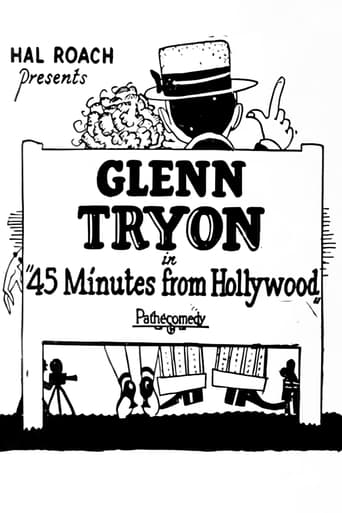
45 Minutes from Hollywood
1926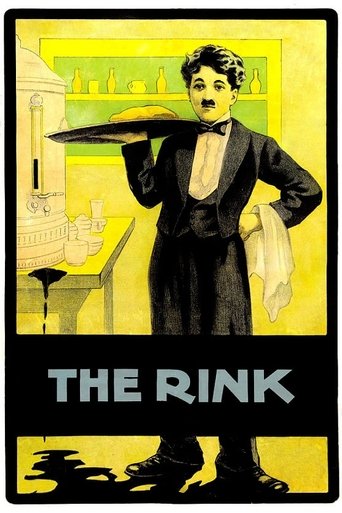
The Rink
1916
The Vagabond
1916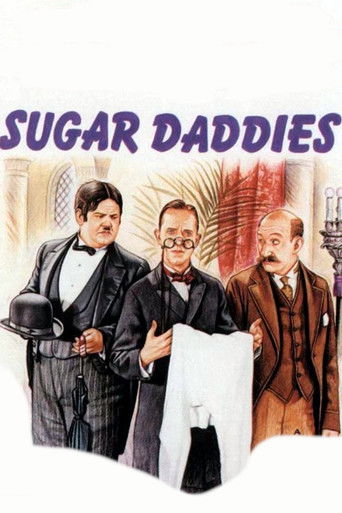
Sugar Daddies
1927
Easy Street
1917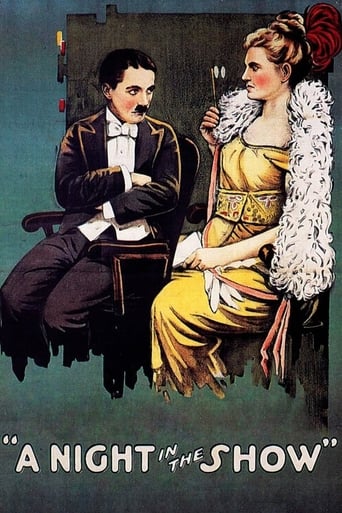
A Night in the Show
1915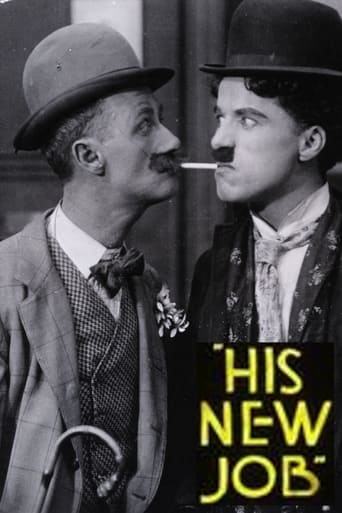
His New Job
1915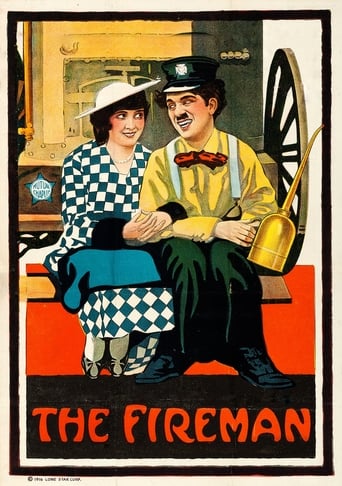
The Fireman
1916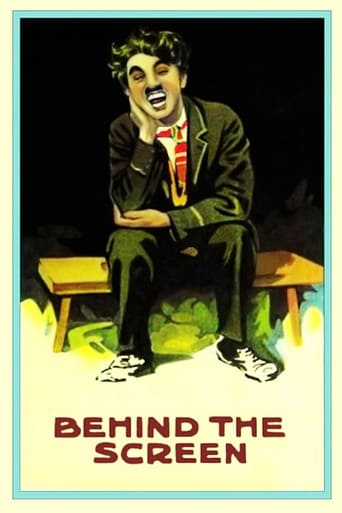
Behind the Screen
1916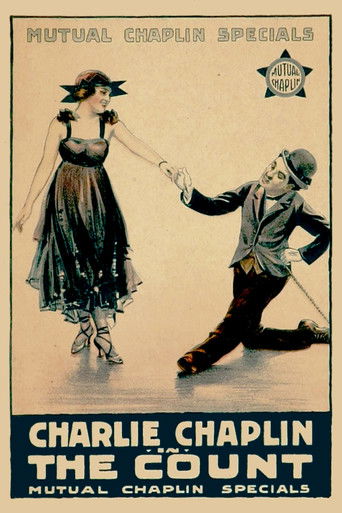
The Count
1916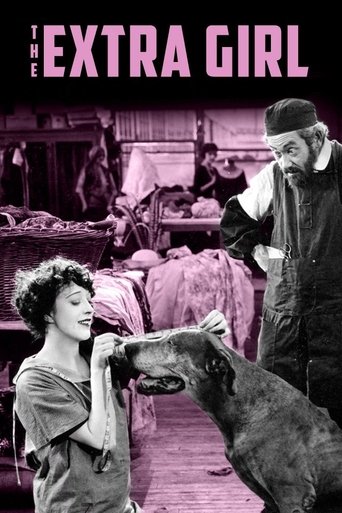
The Extra Girl
1923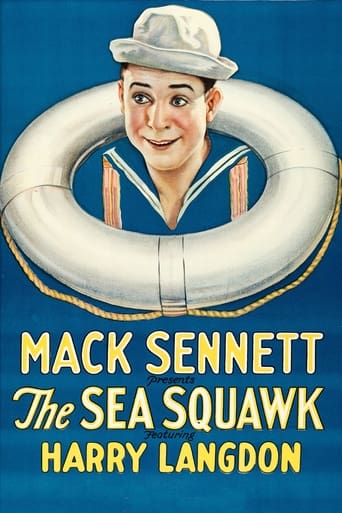
The Sea Squawk
1925
The Hansom Cabman
1924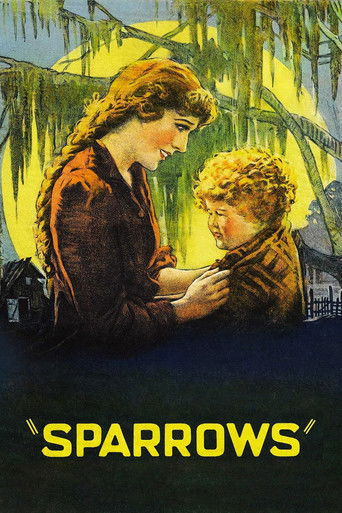
Sparrows
1926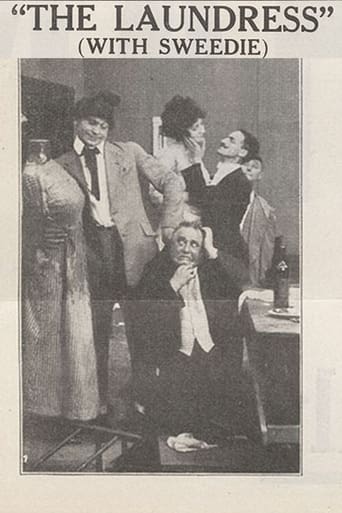
The Laundress
1914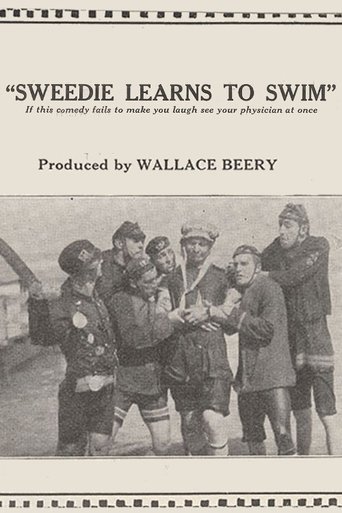
Sweedie Learns to Swim
1914About Charlotte Mineau
American actress of the silent film era who gained recognition for her frequent appearances in Charlie Chaplin's comedies. She began her film career in the mid-1910s and quickly became one of Chaplin's reliable supporting players during his tenure with the Mutual Film Corporation from 1916-1917. Mineau appeared in numerous Chaplin shorts where she often played sophisticated or comedic female roles opposite the Little Tramp character. Her expressive face and ability to adapt to both dramatic and comedic situations made her a valuable presence in Chaplin's ensemble. Beyond her work with Chaplin, she also appeared in films for other studios and directors throughout the 1910s and 1920s. Her career gradually declined with the transition to sound films, and she made her last screen appearance in 1927. Mineau represents the many talented character actors who contributed to the golden age of silent comedy even if they never achieved stardom status.
The Craft
On Screen
Mineau's acting style was typical of accomplished silent film actors, relying on expressive facial features and physical comedy techniques. She demonstrated versatility in playing both dramatic straight roles and comic characters, with precise timing that complemented Chaplin's comedic genius. Her ability to convey character quickly through gesture and expression made her particularly effective in the fast-paced comedy shorts of the era.
Milestones
- Regular supporting player in Charlie Chaplin's Mutual films
- Appeared in 5 of Chaplin's 12 Mutual shorts
- Worked with other comedy greats of the era
- Transition from stage to film during early Hollywood period
Best Known For
Iconic Roles
Must-See Films
Working Relationships
Worked Often With
Studios
Why They Matter
Impact on Culture
Charlotte Mineau's cultural impact lies primarily in her contribution to Charlie Chaplin's most acclaimed period of film production during the Mutual years (1916-1917). As one of his regular supporting players, she helped create the rich comedic world that made these films classics of silent cinema. While not a star in her own right, Mineau represented the talented ensemble actors who were essential to the success of silent comedy. Her performances helped establish the template for supporting roles in film comedy, demonstrating how secondary characters could enhance the lead's effectiveness without overshadowing them. The films she appeared in have endured as masterpieces of cinema, ensuring that her work, though without on-screen billing in many cases, continues to be seen by new generations of film enthusiasts.
Lasting Legacy
Charlotte Mineau's legacy is that of a reliable and talented character actress who played a small but significant role in some of the most important films of the silent era. Her work with Charlie Chaplin during his most creative period has ensured her place in film history, even if she never achieved the fame of Chaplin's leading ladies like Edna Purviance or Georgia Hale. Film historians and Chaplin enthusiasts recognize her as part of the exceptional ensemble that made the Mutual comedies so enduring. Mineau represents the countless skilled actors who formed the backbone of early Hollywood, contributing their talents to films that would become classics while remaining largely anonymous to the general public.
Who They Inspired
While Charlotte Mineau did not have a documented direct influence on other performers in the way major stars did, her work in Chaplin's films helped establish conventions for supporting roles in comedy that would influence generations of character actors. Her ability to play both straight and comic roles effectively demonstrated the versatility required of supporting players in ensemble comedy. The techniques she employed in silent film performance—particularly her use of facial expression and physical comedy to convey character quickly and efficiently—were representative of the skills that would become standard for film actors.
Off Screen
Charlotte Mineau was born into a middle-class family in Cleveland, Ohio, and showed an early interest in performing arts. She married fellow actor Robert Bolder, who was also a British character actor active in Hollywood during the silent era. The couple worked together occasionally in films and shared the experience of navigating the rapidly changing film industry. Mineau lived through the dramatic transition from silent films to talkies and witnessed the evolution of Hollywood from its early days to the studio system. After retiring from acting, she lived a relatively private life away from the spotlight that had briefly shone on her during her film career.
Family
- Robert Bolder (1914-1946, his death)
Did You Know?
- Appeared in 5 of Charlie Chaplin's 12 Mutual Film Corporation shorts
- Was married to British character actor Robert Bolder
- Often played sophisticated or upper-class women in contrast to Chaplin's Tramp character
- Her active years covered the peak years of silent comedy
- Like many silent actors, her career declined with the advent of sound
- She was part of the stock company of actors that Chaplin relied on for his Mutual films
- Mineau was one of the few actresses who appeared in both Chaplin's Essanay and Mutual periods
- Her name was sometimes misspelled as 'Charlotte Minot' in film credits
- She worked with other comedy greats beyond Chaplin, including Harold Lloyd
- Despite her contributions to classic films, she received no screen credit in several of her appearances
Frequently Asked Questions
Who was Charlotte Mineau?
American actress of the silent film era, best known for her frequent appearances as a supporting player in Charlie Chaplin's Mutual Film Corporation comedies from 1915-1917. She often played sophisticated ladies and comic foils to Chaplin's Tramp character.
What films is Charlotte Mineau best known for?
Titles linked here include A Night in the Show (1915), His New Job (1915).
When was Charlotte Mineau born and when did she die?
Born March 24, 1886; died October 12, 1979.
What awards did Charlotte Mineau win?
Charlotte Mineau did not receive any major awards or nominations during her career, which was common for supporting character actors in the silent film era. Her recognition comes from her contributions to classic films that have endured as cinematic masterpieces.
What was Charlotte Mineau's acting style?
Mineau's acting style was typical of accomplished silent film actors, relying on expressive facial features and physical comedy techniques. She demonstrated versatility in playing both dramatic straight roles and comic characters, with precise timing that complemented Chaplin's comedic genius.
Did Charlotte Mineau work with directors other than Charlie Chaplin?
Yes, while Mineau is most famous for her work with Chaplin, she also appeared in films for other studios and directors throughout the 1910s and 1920s, including productions for Essanay Studios and Fox Film Corporation.
Why did Charlotte Mineau's career end in 1927?
Mineau's career ended around 1927, likely due to the transition from silent films to talkies. Many silent film actors, particularly those in supporting roles, found it difficult to adapt to the new requirements of sound cinema, and her last known film appearance was in 1927.