

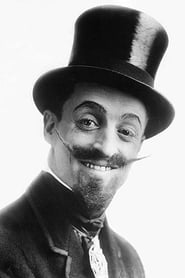
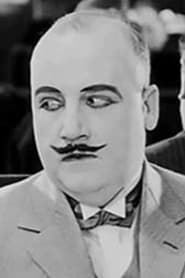

The Floorwalker
"Chaos in the aisles while thieves eye the safe"
Keys: Space play/pause · ←/→ 10s · F fullscreen · M mute · </> speed
About this film
An impecunious customer creates chaos in a department store while the manager and his assistant plot to steal the money kept in the establishment's safe.
Cast & crew
More films like this


More Comedy films
View all →







More from Charlie Chaplin
View all →


More about this film
About the production
Release dateMay 15, 1916
BudgetApproximately $10,000-$15,000 (part of Chaplin's $670,000 Mutual contract for 12 films)
Box officeExact figures not documented, but was highly successful as part of Chaplin's Mutual series
ProductionMutual Film Corporation, Lone Star Corporation
Filmed inChaplin Studios, 1025 Lillian Way, Hollywood, California
This was Chaplin's very first film produced for Mutual Film Corporation, marking the beginning of what many consider his most creative period. The escalator sequence was technically groundbreaking and required innovative camera work and choreography. Chaplin built a special set with a working escalator, which was still relatively new technology in 1916. The film featured one of the earliest uses of a double role in cinema, with Chaplin playing both himself and the floorwalker simultaneously through clever editing and camera techniques.
Themes
Mistaken identityClass conflictAuthority vs. common manUrban alienationConsumer culture
Themes & topics
department storeescalatordoppelgängerembezzlementmistaken identitychaseshopliftingsafe crackingphysical comedysilent film
Historical background
Made during the studio era of 1916, The Floorwalker reached audiences through theatrical programs, fairground booths, or specialized distribution channels typical of its generation. An impecunious customer creates chaos in a department store while the manager and his assistant plot to steal the money. Historians now read such works for what they reveal about production methods, national taste, and the expanding vocabulary of screen narrative.
Why this film matters
Archivists and programmers still screen The Floorwalker when tracing how popular entertainment evolved. Its subject—an impecunious customer creates chaos in a department store while the manager and his assistant—gives later viewers tangible evidence of what drew crowds in the silent period. Home video, restorations, and festival sidebars keep the title circulating among students of film history.
Making of
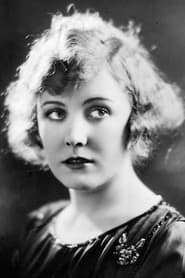
The production of 'The Floorwalker' was significant as it marked Chaplin's transition to the Mutual Film Corporation, giving him unprecedented creative control and resources. Chaplin had recently completed his contract with Essanay Studios and was now the highest-paid entertainer in the world. The double role presented enormous technical challenges for 1916 filmmaking - Chaplin had to perform both parts separately, with the camera locked in place to maintain consistency. The famous escalator sequence required building a custom set with a working escalator, which was expensive and technically difficult. Chaplin reportedly spent weeks perfecting the timing and choreography for the scenes where both characters appear together. The chemistry between Chaplin and Eric Campbell was immediate, with Campbell's imposing 6'5" frame creating the perfect physical contrast to Chaplin's small stature. Edna Purviance, who had been working with Chaplin since 1915, continued to develop her role as his romantic lead, bringing a subtle grace to the physical comedy.
What critics said
Original trade coverage treated The Floorwalker as routine program filler rather than a landmark production—common for shorts. Later criticism emphasizes preservation, stylistic comparison with contemporaries, and whatever cast or crew names later gained prominence. Contemporary writing is mostly historical: assessing completeness, influence, and place in a director's or studio's catalog.
Did you know?
- This was the first of twelve films Chaplin made for Mutual Film Corporation, for which he was paid an unprecedented $670,000
- The escalator featured in the film was still a novelty in 1916, making this one of the first films to showcase this technology
- The double role technique was revolutionary for its time, requiring Chaplin to perform both parts separately with careful editing
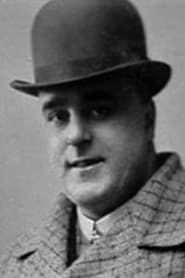
- Eric Campbell, who plays the assistant, became Chaplin's regular giant antagonist and appeared in eleven of his Mutual films
- The film's title 'Floorwalker' refers to what we would today call a department store manager or supervisor
- This film marked the beginning of Chaplin's most critically acclaimed period, with many considering the Mutual shorts his best work
- The department store set was among the leading elaborate and expensive Chaplin had built to date
- Chaplin's dual performance in this film influenced many later comedians who would play double roles
- The safe-cracking sequence was considered particularly daring for its time
- This film was one of the first to use the escalator as a comedic prop and setting
Visual style
The cinematography by William H. 'Billy' Daniels and Roland Totheroh was innovative for its time, particularly in handling the double role sequences. The camera work required precise positioning and locking to maintain consistency between takes of Chaplin's two different characters. The escalator sequences featured dynamic camera angles that followed the action up and down the moving stairs, creating a sense of movement and energy that was unusual for 1916. The department store set allowed for multi-level compositions, with Chaplin utilizing different depths of field to create visual comedy. The lighting techniques used to create the illusion of two Chaplins in the same frame were particularly sophisticated for the era. The chase sequences employed wide shots to capture the full scope of the chaos, while still maintaining clear sightlines for the physical comedy.
Innovations
The film's most significant technical achievement was the pioneering use of double exposure and split-screen techniques to show Chaplin playing two characters simultaneously. This required meticulous planning and execution, with the camera locked in position while Chaplin performed each role separately. The escalator sequence represented another technical milestone, as Chaplin and his team had to build a working escalator set and choreograph complex movements that synchronized with the moving stairs. The film also featured innovative editing techniques, particularly in the chase sequences where cross-cutting between different locations created tension and comedy. The department store set was especially ambitious and detailed of its time, featuring multiple levels, working elevators, and various departments that created a realistic and immersive environment.
Music
As a silent film, 'The Floorwalker' was originally accompanied by live musical performances in theaters. The typical score would have included popular songs of the era, classical pieces, and specially composed incidental music. Modern restorations have featured various musical interpretations, including orchestral scores that capture the frantic energy of the chase sequences and the romantic themes for scenes with Edna Purviance. Some contemporary screenings use ragtime and jazz-influenced scores that reflect the popular music of 1916. The absence of dialogue allowed Chaplin to rely entirely on visual storytelling and musical accompaniment to convey emotion and pacing.
Famous quotes
(As a silent film, dialogue was conveyed through intertitles and pantomime. The most famous visual gag involves Chaplin's character attempting to walk up the down escalator, creating a timeless moment of physical comedy that needs no words.)
Memorable scenes
- The iconic escalator sequence where Chaplin battles the moving stairs, creating a masterful display of physical comedy that has been referenced countless times in later films. The first meeting between the two Chaplin characters, where they mirror each other's movements in perfect synchronization. The frantic chase through the multiple levels of the department store, featuring sliding down banisters and hiding in various departments. The safe-cracking sequence where the criminal plans go awry due to mistaken identity. The final street chase that spills out of the department store and into public chaos.
What audiences thought
Audiences in 1916 were enthralled by 'The Floorwalker,' with theaters reporting packed houses and repeat viewings. The novelty of seeing Chaplin play two roles simultaneously created tremendous buzz, and the escalator sequence became an instant talking point. The film's success helped establish Chaplin's reputation as the undisputed king of comedy. Contemporary audience reaction cards from theaters show overwhelmingly positive responses, with particular praise for the chase sequences and the clever use of mistaken identity. The film's popularity extended internationally, with reports of enthusiastic receptions in Europe, Australia, and even in Japan, where Chaplin's films were gaining a devoted following. Modern audiences continue to appreciate the film's timeless humor and technical innovation, with it remaining a favorite in Chaplin retrospectives and silent film festivals.
Film connections
Influenced by
- Mack Sennett's Keystone comedies
- French comedies of Max Linder
- Music hall traditions
- Commedia dell'arte
- American slapstick comedy tradition
This film influenced
- The Kid (1921)
- The Circus (1928)
- City Lights (1931)
- Modern Times (1936)
- The Great Dictator (1940)
- The Jerk (1979)
- Trading Places (1983)
Film restoration
The film is well-preserved and has been restored multiple times. Original nitrate copies exist in various archives, and the film has been transferred to safety film and digital formats. The Criterion Collection and other preservation organizations have included it in Chaplin retrospective releases. The film remains complete and in good condition, with no lost footage.
Where to watch
- The Criterion Collection streaming service
- The Chaplin Revue DVD/Blu-ray collection
- YouTube (official Chaplin archives)
- Kino Lorber DVD releases
- Various streaming services specializing in classic cinema
- Film archives and museum screenings