Films
13 films



About Frank J. Coleman
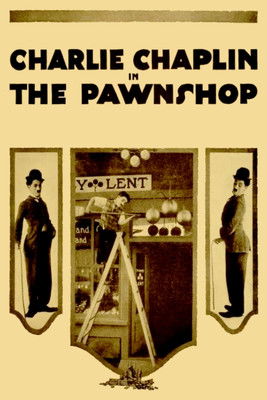
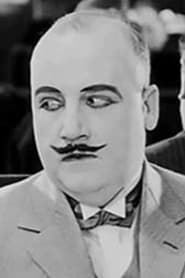
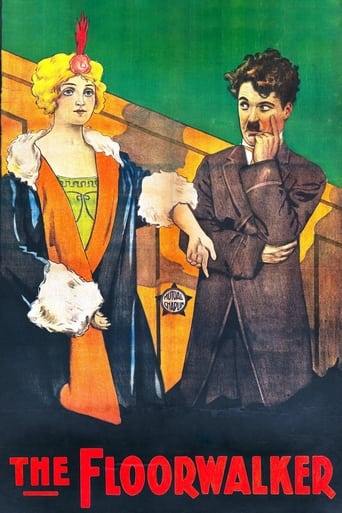
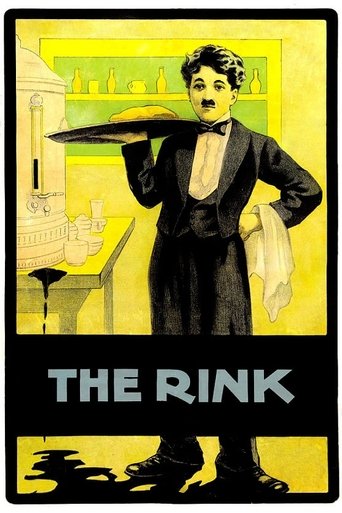
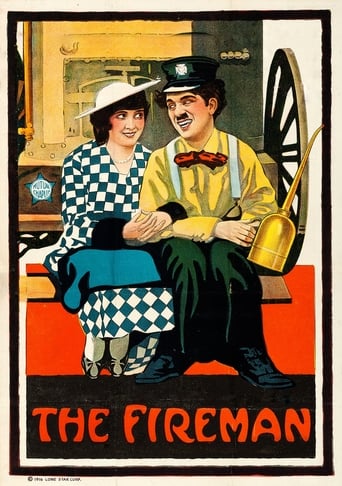
Character actor and supporting player during the silent film era, best known for his work in Charlie Chaplin's Mutual Film Corporation productions of 1916. Frank appears as a regular member of Chaplin's stock company, playing various supporting roles across multiple films including The Pawnshop, The Floorwalker, The Rink, The Vagabond, and The Fireman. Coleman typically portrayed authority figures, customers, or comic foils to Chaplin's Little Tramp character, often serving as the straight man in comedic situations. His career moved from approximately 1916 to 1924, during which he worked primarily in short comedy films. While not a major star, Coleman — reliable supporting presence in many silent comedies of the era. His work with Chaplin represents his most significant contribution to cinema history, as he was part of the ensemble that helped create some of the most influential comedy films of the silent period. After his acting career, Coleman largely disappeared from public records, suggesting he may have left the film industry or passed away in the 1920s or 1930s.
The Craft
On Screen
Coleman — classic straight man in silent comedy, using deadpan expressions and understated reactions to set up Chaplin's physical comedy. His style was typical of supporting actors in silent films, relying on clear facial expressions and broad gestures to convey character and emotion to audiences without dialogue. He often played respectable or authoritative figures who would be comically undermined by Chaplin's antics.
Milestones
- Regular member of Charlie Chaplin's Mutual Film Corporation stock company (1916)
- Appeared in five of Chaplin's twelve Mutual films in 1916
- Worked as a reliable supporting actor in numerous silent comedy shorts
- Contributed to some of the most celebrated comedy films of the silent era
Best Known For
Iconic Roles
Must-See Films
Working Relationships
Worked Often With
Studios
Why They Matter
Impact on Culture
Frank J. Coleman's cultural impact, while not widely recognized, lies in his contribution to the golden age of silent comedy through his work with Charlie Chaplin. As part of Chaplin's stock company during the Mutual period, he helped create some of the most influential comedy films in cinema history. These films were crucial in establishing the language of screen comedy and influencing generations of comedians and filmmakers. His performances, though supporting roles, were essential components in the comedic machinery that made Chaplin's films work, demonstrating the importance of ensemble casting in comedy.
Lasting Legacy
Frank J. Coleman's legacy is preserved through his appearances in some of the most celebrated silent comedy films ever made. While he may not be a household name, his work is immortalized in classics like The Pawnshop and The Rink, which continue to be studied and enjoyed by film enthusiasts worldwide. His contribution serves as a reminder of the many talented supporting actors who were essential to the success of early cinema, even if their names have been largely forgotten by time.
Who They Inspired
As a supporting actor in Chaplin's films, Coleman's influence was primarily in helping establish the template for comic ensembles in film. His work demonstrated the importance of skilled straight men in comedy, a concept that would influence countless comedy duos and ensembles in subsequent decades. The films he appeared in continue to influence comedians and filmmakers, making his indirect contribution to comedy significant.
Off Screen
Very little is known about Frank J. Coleman's personal life, as was common for supporting actors of the silent era who were not major stars. His biographical details remain largely undocumented in film history sources, suggesting he lived a relatively private life outside of his film work.
Did You Know?
- Appeared in 5 of Charlie Chaplin's 12 Mutual films, all released in 1916
- Was part of Chaplin's regular stock company during one of the comedian's most creative periods
- The Mutual period (1916-1917) is considered by many critics to contain Chaplin's best short films
- Like many supporting actors of the era, Coleman often played multiple roles within the same film
- His exact birth and death dates remain unknown to film historians
- The films he appeared in were all two-reel comedies, approximately 25 minutes long
- Chaplin's Mutual films were some of the most expensive and elaborate comedy shorts of their time
- Coleman worked alongside other regular Chaplin collaborators like Eric Campbell and Henry Bergman
Frequently Asked Questions
Who was Frank J. Coleman?
Silent film with credits in this catalog. He was part of Chaplin's regular stock company, appearing in five of the twelve films Chaplin made for Mutual.
What films is Frank J. Coleman best known for?
Titles linked here include The Pawnshop (1916), The Floorwalker (1916).
When was Frank J. Coleman born and when did he die?
Unfortunately, Frank J. Coleman's birth and death dates are unknown, which was common for supporting actors in the silent film era who were not major stars. His film career is documented from approximately 1916 to 1924.
What awards did Frank J. Coleman win?
Frank J. Coleman did not receive any major awards or nominations during his career. Like most supporting actors of the silent era, his contributions were recognized through continued employment rather than formal accolades.
What was Frank J. Coleman's acting style?
Coleman specialized in playing straight man roles in silent comedy, using deadpan expressions and understated reactions to set up Chaplin's physical comedy. He often portrayed authority figures or customers who would be comically undermined by Chaplin's antics.
Did Frank J. Coleman work with other famous comedians?
While Coleman's most documented work is with Charlie Chaplin, he likely worked with other comedy performers of the era during his career from 1916-1924. However, his appearances in Chaplin's Mutual films remain his most significant and well-documented contributions.