The Luck o' the Foolish
"Luck of the foolish"
Keys: Space play/pause · ←/→ 10s · F fullscreen · M mute · </> speed
About this film
Harry and Marcie lose train money, return to beat-cop life, and stumble on a robbery. Harry and Marcie are on a train headed for a new job. There's comedy in the berths and during Harry's morning shave, then a thief steals the money Harry needed for his new job, so he has to go back to being a beat cop and Marcie works as a seamstress.
Cast & crew
More films like this
More Comedy films
View all →







More from Harry Edwards
View all →

More about this film
About the production
Release dateSeptember 28, 1924
Box officeUnknown - standard rental rates for two-reel comedies of the era
ProductionMack Sennett Comedies
Filmed inMack Sennett Studios, Edendale, California, Various locations around Los Angeles
This was one of the early Harry Langdon shorts directed by Harry Edwards during Langdon's contract period with Mack Sennett. The film was produced as part of a series of two-reel comedies designed to showcase Langdon's unique child-like comedy style. The train sequences were likely filmed on studio sets, a common practice for the era to control lighting and sound issues. The swimming pool scene was probably shot at the studio's water tank facility, which Sennett had built for water comedies.
Themes
Class mobility and the American DreamInnocence in a corrupt worldLove conquering obstaclesThe comedy of misfortuneWorking-class struggles
Themes & topics
Historical background
1924 placed The Luck o' the Foolish within United States cinema as Mack Sennett Comedies navigated wartime markets, immigration audiences, and the shift from intertitles to sound.
Why this film matters
Archivists revisit The Luck o' the Foolish (1924) for Harry Edwards style, genre norms at Mack Sennett Comedies, and the exhibition context of 20 minutes (approximately two reels) programming.
Making of
The production of 'The Luck o' the Foolish' took place during a crucial period in Harry Langdon's career development. Director Harry Edwards, who had worked extensively with other comedy stars, was instrumental in helping shape Langdon's unique screen persona. The film was shot quickly, as was typical for two-reel comedies of the era, with most scenes completed in one or two takes. The train sequences required careful choreography to maximize the physical comedy potential of the confined space. Langdon, known for his meticulous preparation, reportedly spent considerable time rehearsing his shaving sequence to perfect the timing of the gags. The swimming pool scene, while appearing spontaneous, was carefully planned with safety measures in place, as water scenes were considered technically challenging and potentially dangerous for performers in the 1920s. The film's editing style, with its rapid cuts between parallel action sequences, was becoming increasingly sophisticated in comedy shorts of this period.
What critics said
Retrospective writing on The Luck o' the Foolish stresses craft by Harry Edwards, print survival, and repertory value rather than opening-week gross alone.
Did you know?
- This film was released during Harry Langdon's breakthrough period at Mack Sennett Studios, before he became a major star with feature films.
- Director Harry Edwards was a prolific director of comedy shorts, directing over 150 films during his career, many of them with Harry Langdon.
- The film was part of the 'Pathé Exchange' distribution system, which handled many of Sennett's productions during this period.
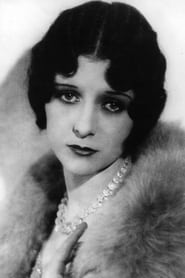
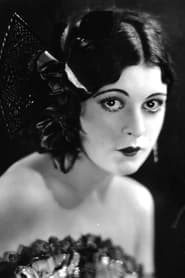
- Marceline Day, who plays Marcie, was a popular actress of the silent era who appeared in over 60 films between 1921 and 1933.
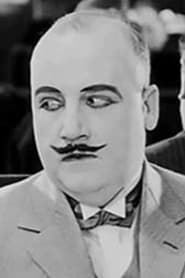
- Frank J. Coleman was a regular character actor in Sennett comedies, often playing authority figures or comic villains.
- The train berth comedy sequence was a popular trope in silent films, allowing for physical comedy in confined spaces.
- Harry Langdon's character in this film exemplifies his signature 'little man' persona - innocent, child-like, and prone to misfortune.
- The film's title uses the Irish spelling of 'luck' ('o' instead of 'of'), possibly to play into the era's fascination with Irish-American culture in comedy.
- This was one of the last films Langdon made with Mack Sennett before his move to First National where he would achieve his greatest fame.
- The swimming pool gag was likely inspired by similar sequences in other Sennett comedies, which often featured water-based physical humor.
Visual style
The cinematography in 'The Luck o' the Foolish' reflects the standard practices for two-reel comedies of 1924. The camera work is functional and clear, prioritizing the visibility of physical comedy gags over artistic experimentation. The train berth sequences make effective use of close-ups to emphasize Langdon's facial expressions and reactions, which were crucial to his comedy style. The night scenes during the final burglary sequence demonstrate the growing sophistication of lighting techniques in mid-1920s filmmaking, using practical lighting sources within the scenes to create dramatic effect. The swimming pool sequence would have required special underwater photography techniques, likely using glass tank shots that were common in the era. The overall visual style serves the comedy without calling attention to itself, which was typical for Mack Sennett productions of this period.
Innovations
While 'The Luck o' the Foolish' was not a groundbreaking film in terms of technical innovation, it demonstrates several technical achievements common to quality comedy productions of 1924. The coordination required for the train berth sequences shows sophisticated understanding of spatial relationships and camera placement for maximum comic effect. The swimming pool sequence would have involved careful timing and potentially underwater photography equipment that was still relatively new in the 1920s. The film's editing, particularly in the parallel action sequences during the finale, shows the increasing sophistication of continuity editing in comedy shorts. The use of location shooting alongside studio work demonstrates the industry's growing ability to seamlessly blend different production environments. The film also makes effective use of special effects for the explosion sequence, employing techniques that were becoming standard in action-comedy productions.
Music
As a silent film, 'The Luck o' the Foolish' would have been accompanied by live musical performance during its original theatrical run. The typical score would have been compiled from standard photoplay music libraries, with selections chosen to match the mood of each scene. Comedic sequences would have been accompanied by light, playful pieces, while romantic moments between Harry and Marcie would have featured more sentimental melodies. The burglary and chase sequences would have used more dramatic and tension-building music. The specific musical selections would have varied by theater, as accompanists had discretion in choosing appropriate pieces. Some larger theaters might have employed small orchestras, while smaller venues would have used a pianist or organist. The film's original cue sheets, if they exist, would provide insight into the recommended musical accompaniment.
Famous quotes
(As a silent film, dialogue was conveyed through intertitles and pantomime rather than spoken dialogue)
Memorable scenes
- The train berth sequence where Harry struggles with the confined sleeping arrangements and his morning shaving routine, showcasing Langdon's masterful physical comedy and innocent reactions to everyday obstacles
- The swimming pool scene where Harry accidentally plunges into the water while pursuing thieves, creating a chaotic and visually spectacular comedy moment that exemplifies the film's title theme of foolish luck
What audiences thought
Audiences of 1924 responded positively to 'The Luck o' the Foolish,' particularly enjoying Harry Langdon's gentle and relatable comedy style. The film performed well in the theatrical circuit for two-reel comedies, helping to build Langdon's fan base during his crucial breakout period. Moviegoers of the era appreciated the contrast between Langdon's innocent persona and the chaotic situations he encountered, finding his character both amusing and endearing. The film's blend of physical comedy with romantic elements appealed to the broad audience base that silent comedies attracted during this period. The train and swimming pool sequences were particularly popular with audiences, as these types of elaborate physical gags were major draws for comedy fans of the silent era.
Film connections
Influenced by
- Charlie Chaplin's 'The Tramp' character (for the gentle comedy approach)
- Buster Keaton's stone-face reaction shots
- Harold Lloyd's everyman character
- Mack Sennett's Keystone comedy style
This film influenced
- Later Harry Langdon features like 'The Strong Man' (1926)
- Character-driven comedies of the late 1920s
- Early sound comedy shorts that retained silent comedy techniques
Film restoration
The film survives in archives and is available through various classic film distributors. While not considered lost, some prints may show signs of deterioration typical of films from this era. The film has been preserved through the efforts of silent film archives and restoration organizations dedicated to maintaining cinema heritage.
Where to watch
- Available on DVD through classic comedy collections
- Streaming on various classic film platforms
- Occasionally screened at silent film festivals and revival houses
- Available through film archive collections and educational distributors