Harry Edwards
Director
Born: October 11, 1887 in Calgary, Alberta, Canada Died: May 26, 1952 Active: 1914-1932
Films
13 films

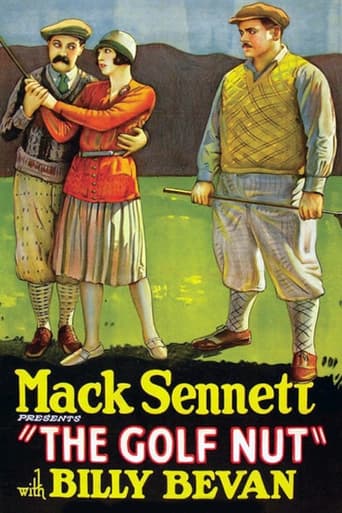
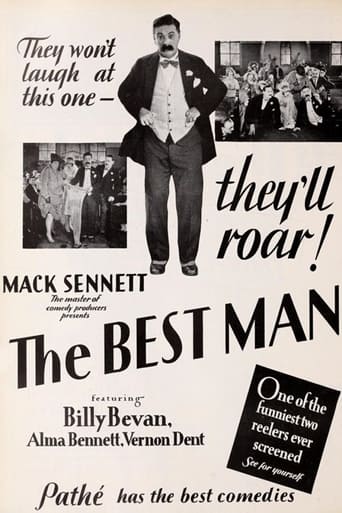
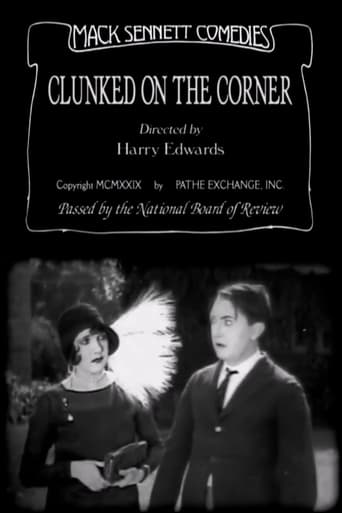
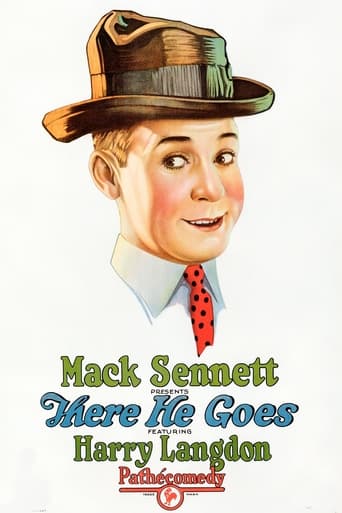
About Harry Edwards
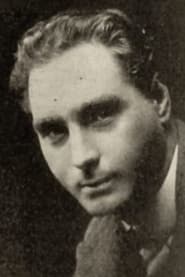
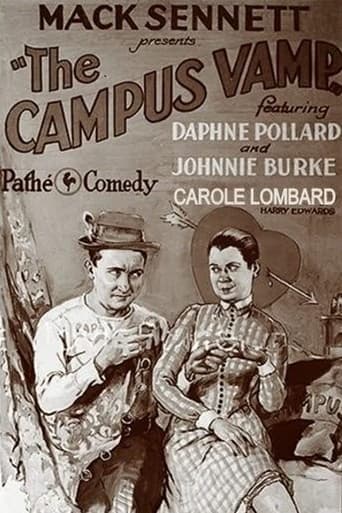
Harry Edwards (1887-1952) was a prolific Canadian-American film director who specialized in comedy shorts during the silent era. Beginning his career as an actor around 1912, he quickly transitioned to directing by 1914, finding his niche in the burgeoning comedy field. Edwards worked extensively with Mack Sennett's Keystone Studios before moving on to direct for various other comedy producers. He is particularly remembered for his collaborations with comedian Harry Langdon, directing many of Langdon's early successful shorts including the classic 'The Luck o' the Foolish' (1924). Edwards directed over 100 films throughout his career, mastering the art of the two-reel comedy format with his efficient pacing and understanding of slapstick timing. Like many silent-era specialists, his career declined with the advent of sound pictures, though he continued directing through the early 1930s. His work represents an important chapter in the development of American film comedy during its formative years.
The Craft
Behind the Camera
Harry Edwards specialized in fast-paced slapstick comedy with an emphasis on physical gags and visual humor. His directing approach was efficient and economical, perfect for the two-reel format that dominated comedy shorts of the era. Edwards had a keen eye for comedic timing and understood how to build escalating sequences of physical comedy. His style was less sophisticated than some contemporaries like Charlie Chaplin or Buster Keaton, but he excelled at creating crowd-pleasing entertainment with broad, accessible humor. Edwards was particularly adept at showcasing the unique talents of his comedy stars while maintaining a brisk narrative pace suitable for short-form entertainment.
Milestones
- Directed over 100 films during his career
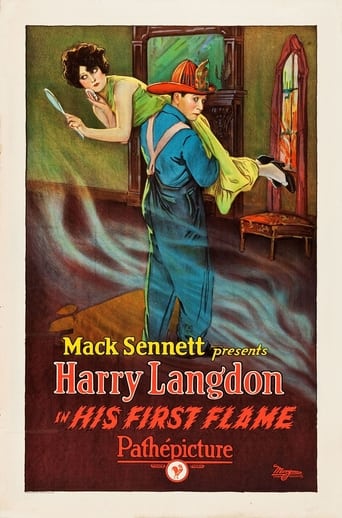
- Key collaborator with comedian Harry Langdon
- Worked extensively at Mack Sennett Studios
- Master of the two-reel comedy format
- Successfully transitioned from actor to director
- Directed comedy shorts during the golden age of silent comedy
Best Known For
Must-See Films
Working Relationships
Worked Often With
Studios
Why They Matter
Impact on Culture
Harry Edwards played a significant role in the development of American silent comedy as a workhorse director who helped establish the conventions of the two-reel comedy format. His films, while not as artistically ambitious as those of Chaplin or Keaton, were crucial in popularizing the slapstick style that would define early Hollywood comedy. Edwards' work with Harry Langdon was particularly important in establishing Langdon as a major comedy star before Langdon's collaboration with Frank Capra. The hundreds of comedy shorts Edwards directed helped train audiences in the visual language of film comedy and contributed to the standardization of comedic techniques that would influence later generations of filmmakers.
Lasting Legacy
Harry Edwards' legacy lies primarily in his contribution to the silent comedy short film format and his role in developing the careers of several comedy stars. While his name is not as well-known as some of his contemporaries, film historians recognize him as an important craftsman who helped shape the golden age of silent comedy. His films serve as valuable documents of early 20th century comedic sensibilities and the evolution of American humor. Edwards' work represents the type of efficient, professional filmmaking that formed the backbone of Hollywood's studio system during the silent era. Modern scholars studying silent comedy often reference his films as examples of typical studio-produced comedy shorts of the period.
Who They Inspired
Edwards influenced later comedy directors through his efficient approach to short-form comedy and his understanding of pacing in visual humor. His work demonstrated how to effectively structure comedy within the constraints of the two-reel format, a lesson that proved valuable for subsequent generations of comedy filmmakers. While he didn't develop a distinctive artistic style that would be directly emulated, his technical proficiency in comedy direction helped establish industry standards that would persist well into the sound era. Many of the comedic techniques and narrative structures he employed can be seen echoed in later comedy shorts and even modern sketch comedy.
Off Screen
Harry Edwards was born in Calgary, Alberta, Canada, but moved to the United States to pursue his career in the burgeoning film industry. He eventually became a naturalized American citizen. Edwards married actress and screenwriter Fay Holderness, with whom he occasionally collaborated professionally. The couple had one child together. Beyond his film work, Edwards was known as a quiet professional who preferred staying behind the camera rather than seeking public attention. He lived primarily in the Los Angeles area during his active years and remained there until his death in 1952 at the age of 64.
Education
No formal film education; learned through practical experience in the early film industry
Family
- Fay Holderness (married 1920s-1930s)
Did You Know?
- Directed over 100 films in less than two decades
- Began his career as an actor before moving behind the camera
- Was born in Canada but became a naturalized American citizen
- Worked with virtually every major comedy star of the silent era
- His career declined significantly with the transition to sound pictures
- Often completed multiple films in a single month during his peak productivity
- Many of his films are now considered lost, a common fate for silent shorts
- Married actress Fay Holderness, who appeared in several of his films
- Was particularly adept at directing scenes involving physical mishaps and slapstick accidents
- His efficiency as a director made him valuable to studios needing to produce content quickly
In Their Own Words
In comedy, timing isn't everything - it's the only thing.
A good comedy director knows when to step back and let the funny happen.
Two reels is all you need if you know what you're doing.
Frequently Asked Questions
Who was Harry Edwards?
Prolific Canadian-American on YTB.my. He directed over 100 films and worked with many of the era's top comedy stars, particularly Harry Langdon. Edwards was known for his efficient, workmanlike approach to directing slapstick comedies for major studios like Mack Sennett and Hal Roach.
What films is Harry Edwards best known for?
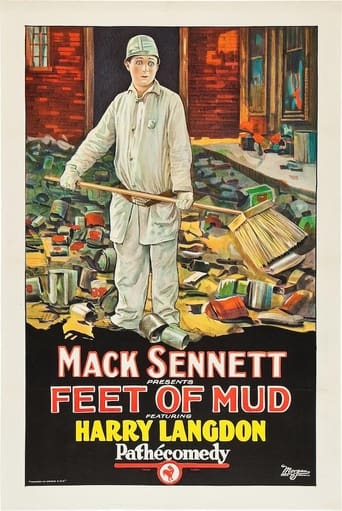
Titles linked here include Feet of Mud (1924), The Hansom Cabman (1924).
When was Harry Edwards born and when did he die?
Born October 11, 1887; died May 26, 1952.
What awards did Harry Edwards win?
Harry Edwards did not receive any major formal awards during his career, which was common for directors of short films during the silent era. His recognition came primarily from his commercial success and the popularity of the films he directed. Like many studio craftsmen of his era, his value was measured in box office returns rather than critical accolades.
What was Harry Edwards' directing style?
Edwards specialized in fast-paced slapstick comedy with an emphasis on physical gags and visual humor. His style was efficient and economical, perfect for the two-reel format. Edwards had a keen eye for comedic timing and excelled at creating escalating sequences of physical comedy, though his approach was generally less sophisticated than that of contemporaries like Chaplin or Keaton.
Did Harry Edwards work with any famous comedians?
Yes, Edwards worked with virtually every major comedy star of the silent era. His most significant collaboration was with Harry Langdon, directing many of Langdon's early successful shorts. He also worked with Stan Laurel and Oliver Hardy before they became a team, as well as Snub Pollard, Vernon Dent, and other comedy specialists of the period.
What happened to Harry Edwards' career with the advent of sound?
Like many silent-era specialists, Edwards' career declined significantly with the transition to sound pictures in the late 1920s and early 1930s. He continued directing into the early sound era but found fewer opportunities as the film industry changed. His last directing credits were in the early 1930s, after which he largely retired from filmmaking.