
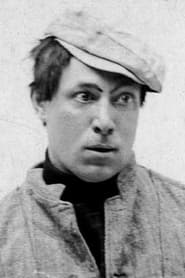
The Sea Squawk
"A Scottish immigrant on board ship becomes a pawn in a jewel heist aboard the S.S"
Keys: Space play/pause · ←/→ 10s · F fullscreen · M mute · </> speed
About this film
A Scottish immigrant on board ship becomes a pawn in a jewel heist aboard the S.S. Blackie Dawson, the uncrowned king of jewel thieves, and his accomplice Pearl Blackstone, have stolen a huge ruby. A detective is searching every cabin, so Blackie forces our young Scot to swallow the gem and, under threat of being shot, to stay mum.
Cast & crew
More films like this

More Comedy films
View all →







More from Harry Edwards
View all →

More about this film
About the production
Release dateFebruary 15, 1925
Box officeUnknown - standard theatrical rental for two-reel comedies of the era
ProductionMack Sennett Comedies
Filmed inMack Sennett Studios, Edendale, California
The film was part of Harry Langdon's series of two-reel comedies for Mack Sennett, produced during his breakthrough period. The ship scenes were likely filmed on studio sets with some process photography. The production utilized Sennett's efficient assembly-line approach to comedy filmmaking, typically completing these shorts in just a few days of shooting.
Themes
Identity and disguiseInnocence versus corruptionMistaken identitySurvival through adaptationThe vulnerable hero
Themes & topics
shipjewel theftdisguisecomedysilent filmScottish immigrantdetectivemistaken identityshort filmslapstick
Historical background
The Sea Squawk (1925) emerged during the silent-film era. A Scottish immigrant on board ship becomes a pawn in a jewel heist aboard the S.S. Archival records and catalog entries help place the work within film-history surveys of the period.
Why this film matters
Preserved under Wikidata ID Q63498391, The Sea Squawk is valued as a screen drama within catalog and archive collections. Contemporary listings connect it to broader histories of cinema exhibition and restoration.
Making of
The Sea Squawk was produced during Harry Langdon's crucial period at Mack Sennett Studios, where he was developing his unique comedic style that would soon make him one of the silent era's major stars. Director Harry Edwards, who had a reputation for working quickly and efficiently, guided Langdon through the physical comedy sequences that would become his trademark. The production utilized Sennett's well-oiled comedy machine, with sets built specifically for rapid shooting and maximum comic effect. The ship setting, while mostly studio-bound, was designed to allow for the kind of physical comedy Langdon excelled at - tight spaces, awkward situations, and the contrast between his innocent character and the criminal elements surrounding him. The film's production timeline was typical for Sennett shorts, with principal photography likely completed in just 2-3 days, followed by rapid editing to meet distribution schedules.
What critics said
Trade and archival sources offer limited day-one review coverage for The Sea Squawk. Modern reception rests on its availability in collections, repertory screenings, and reference works that document 1925 cinema.
Did you know?
- This was one of Harry Langdon's early starring vehicles before he became a major comedy star with 'The Strong Man' (1926)
- Director Harry Edwards was a prolific comedy director who worked extensively with both Harry Langdon and Charley Chase
- The film was released during the peak of the silent comedy era, when short subjects were a standard part of theater programs
- Mack Sennett, the producer, was known as 'The King of Comedy' and had discovered Charlie Chaplin, Fatty Arbuckle, and Harry Langdon
- The ship setting was a popular backdrop for comedies of the era, allowing for confined spaces and comedic situations
- Harry Langdon's character in this film showcases his signature 'baby man' persona - an innocent, childlike adult in adult situations
- The film's title 'The Sea Squawk' follows the pattern of catchy, alliterative titles common for comedy shorts of the period
- Eugenia Gilbert, who plays Pearl Blackstone, was a popular actress in comedy shorts throughout the 1920s
- Christian J. Frank, who plays Blackie Dawson, appeared in over 200 films between 1913 and 1952
- The film was released just as Langdon was transitioning from supporting player to comedy star
Visual style
The cinematography in The Sea Squawk was typical of Mack Sennett productions - functional, efficient, and designed to showcase comedy rather than create artistic statements. The camera work by Sennett's regular cinematographers emphasized clarity in the physical comedy sequences, particularly during Langdon's disguise scenes and the climactic chase sequences. The shipboard setting required careful camera placement to create the illusion of being at sea while working within the confines of studio sets. Lighting was bright and even, standard for comedy shorts of the era, ensuring that every facial expression and physical gag was clearly visible to audiences. The cinematography supported the film's narrative without drawing attention to itself, using medium shots for dialogue sequences and wider shots for physical comedy, following the established conventions of silent comedy cinematography.
Innovations
The Sea Squawk employed standard technical practices for comedy shorts of 1925, with no groundbreaking innovations but solid execution of established techniques. The film likely used process photography for some shipboard scenes, projecting background footage to create the illusion of being at sea. The makeup effects for Langdon's disguise as a woman would have been carefully executed to ensure both comedic effect and audience recognition. The film's editing followed the rapid pace typical of Sennett comedies, with quick cuts during action sequences and longer takes for character moments. The technical team would have employed the standard 35mm film format of the era, with the likely use of multiple cameras to capture different angles of the physical comedy sequences. While not technically innovative, the film demonstrates the refined studio system that allowed for efficient production of high-quality comedy shorts.
Music
As a silent film, The Sea Squawk would have been accompanied by live musical performance during its theatrical run. The typical accompaniment would have been a piano player in smaller theaters or a small orchestra in larger venues. The music would have been compiled from various sources, including classical pieces, popular songs of the era, and specially composed mood music. Shipboard scenes would likely have been accompanied by nautical-themed music, while comedy sequences would have used playful, upbeat selections. The score would have followed the established practice of underscoring the emotional content of each scene - romantic music for encounters with women, tense music for the jewel heist elements, and whimsical music for Langdon's innocent moments. No original composed score was created specifically for this short, as was standard practice for two-reel comedies of the period.
Famous quotes
As a silent film, dialogue was conveyed through intertitles and visual expression rather than spoken quotes
Memorable scenes
- The scene where Langdon's character is forced to swallow the ruby, showcasing his signature expression of innocent terror
- His transformation into a woman, with the resulting confusion and attention it draws
- The climactic sequence where his disguise is discovered and he must climb for his life, combining physical comedy with genuine tension
- The initial confrontation between the jewel thieves and the naive Scottish immigrant
What audiences thought
Audience reception for The Sea Squawk in 1925 appears to have been favorable, as evidenced by Langdon's continued rise to stardom following its release. Theater audiences of the era were particularly receptive to comedy shorts as part of their regular film programs, and Langdon's innocent, childlike character struck a chord with viewers looking for alternatives to the more aggressive comedy styles of the period. The film's shipboard setting and jewel heist plot provided the kind of familiar yet engaging scenario that audiences expected from comedy shorts. While specific audience data is unavailable for individual shorts of this era, the positive reception contributed to Langdon's growing popularity and his transition to feature films within the next year. Modern audiences who have seen the film through rare screenings or archives generally appreciate it as an example of Langdon's early genius and the sophisticated comedy that was emerging in the mid-1920s.
Film connections
Influenced by
- Earlier Mack Sennett comedies
- Charlie Chaplin's character-based comedy
- Harold Lloyd's everyman hero
- Buster Keaton's physical comedy
- Standard comedy tropes of the era
This film influenced
- Later Harry Langdon features
- Character-based comedies of the late 1920s
- Disguise comedies in subsequent eras
- Shipboard comedy films
Film restoration
The preservation status of The Sea Squawk is uncertain, as with many silent comedy shorts from the 1920s. While some Harry Langdon shorts from this period survive in archives or private collections, others have been lost due to the deterioration of nitrate film and lack of preservation efforts in the early sound era. The film may exist in incomplete form or in archives that have not made it widely accessible. The Library of Congress and other film archives have been working to preserve silent comedies, but many two-reel shorts from this period remain lost or exist only in fragmentary form.
Where to watch
- Currently, The Sea Squawk is not readily available on commercial streaming platforms or home video
- The film may be accessible through specialized film archives or silent film societies
- Occasional screenings might occur at silent film festivals or special events
- Film collectors and enthusiasts may have private copies, though these are not generally available to the public
- The best chance to view the film would be through contact with film archives specializing in silent comedy, such as the Library of Congress or the Academy Film Archive