
Films
4 films
About Christian J. Frank
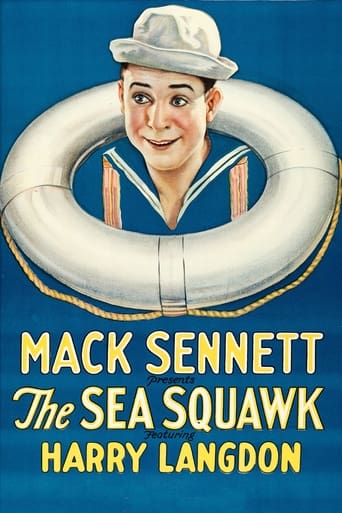
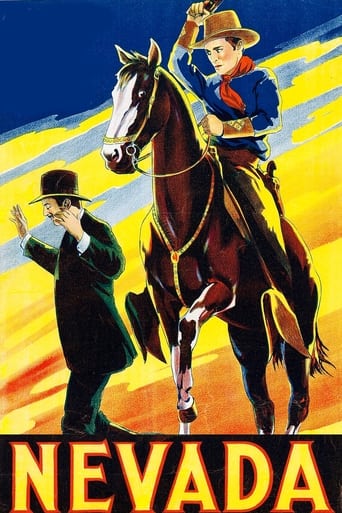
American character actor who worked during the silent film era of the mid-1920s. His career, though brief, spanned the transition period when Hollywood was establishing itself as the center of global cinema. Frank appeared primarily in Westerns and adventure films, taking on supporting roles that showcased his versatility as a character actor. His work in 'The Sea Squawk' (1925) demonstrated his ability to handle comedic elements within action-oriented narratives, while his appearance in 'Nevada' (1927) showed his range in dramatic Western settings. Like many actors of his era, Frank's career was significantly impacted by the transition to sound films in the late 1920s, which ended the careers of many silent era performers. His filmography, though limited, represents the type of working actor who formed the backbone of Hollywood's studio system during its formative years.
The Craft
On Screen
As a character actor in silent films, Frank relied on physical expression and exaggerated gestures typical of the era, using facial expressions and body language to convey emotions and character traits without dialogue
Milestones
- Appeared in 'The Sea Squawk' (1925)
- Featured in 'Nevada' (1927) starring Gary Cooper
- Worked during the peak of silent film era
- Transitioned through the early sound period
Best Known For
Iconic Roles
Must-See Films
Working Relationships
Worked Often With
Studios
Why They Matter
Impact on Culture
Christian J. Frank represents the thousands of working actors who formed the foundation of Hollywood's golden age. While not a major star, his contributions to silent cinema exemplify the collaborative nature of film production during the studio system era. His work in Westerns helped establish the genre conventions that would define American cinema for decades. The limited documentation of his career also highlights the ephemeral nature of fame for supporting actors in early Hollywood, many of whom have been largely forgotten despite their contributions to classic films.
Lasting Legacy
Christian J. Frank's legacy lies in his contribution to the silent film era, particularly in the Western genre. His appearances in films like 'Nevada' (1927), which starred the legendary Gary Cooper, place him within the context of early Hollywood's most significant productions. While his individual impact may not be widely recognized today, his work represents the essential role of character actors in creating the classic American cinema. His career serves as a reminder of the many talented performers who supported the leading stars of their era.
Who They Inspired
As a supporting actor during the silent era, Christian J. Frank's direct influence on subsequent generations of performers is difficult to trace. However, his work contributed to the development of character acting techniques in silent film, particularly in the Western genre. The physical acting style he employed helped establish the visual language of cinema that would influence performers for decades, even as the industry transitioned to sound films.
Off Screen
Very little is documented about Christian J. Frank's personal life, which was common for supporting actors of the silent era who were not major stars. Like many character actors of his time, he likely lived a modest life away from the Hollywood spotlight, with his professional identity being more visible than his private one.
Did You Know?
- Appeared in only two known films during his career
- Worked during the final years of the silent film era
- His film 'Nevada' (1927) starred Gary Cooper, who would become one of Hollywood's biggest stars
- The Sea Squawk (1925) was a comedy-adventure film typical of the mid-1920s
- Like many silent era actors, his career ended with the transition to sound films
- Character actors like Frank were essential to the studio system, often playing multiple roles in different films
- His limited filmography makes him representative of many working actors of the period who had brief but meaningful careers
Frequently Asked Questions
Who was Christian J. Frank?
American character with credits in this catalog.
What films is Christian J. Frank best known for?
Titles linked here include The Sea Squawk (1925), Nevada (1927).
When was Christian J. Frank active in films?
Christian J. Frank had a brief but focused career in silent films, active from 1925 to 1927, working during the peak years of the silent era just before the transition to sound films.
What type of roles did Christian J. Frank typically play?
Frank — character actor who appeared in supporting roles, primarily in Western and adventure films, using the physical acting style typical of silent film performers of his era.
Why is there limited information about Christian J. Frank?
Limited information about Christian J. Frank is typical for supporting actors from the silent era, as extensive records were often not maintained for non-star performers, and many have been lost over time.
Did Christian J. Frank transition to sound films?
There is no evidence that Christian J. Frank successfully transitioned to sound films, as his known filmography ends in 1927, which was common for many silent era actors whose careers ended with the advent of talkies.