

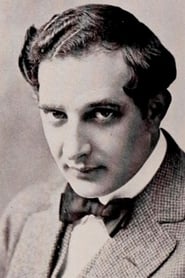
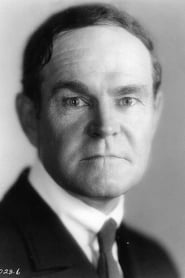
Nevada
"Ex-gunfighter guards a rancher's daughter"
Keys: Space play/pause · ←/→ 10s · F fullscreen · M mute · </> speed
About this film
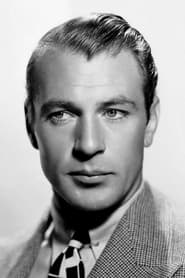
A once notorious gunfighter takes a respectable job on a ranch. "Nevada" is charged with protecting the ranch owner's pretty daughter, arousing the enmity of ranch foreman Clan Dillon, who is in love with the girl. The villainous foreman leaks a rumor of his rival's dark past to.
Cast & crew
More films like this
More Western films
View all →

More about this film
About the production
Release dateJuly 23, 1927
Box officeUnknown
ProductionParamount Pictures
Filmed inCalifornia, Alabama Hills - Lone Pine, California
Based on the popular Zane Grey novel of the same name, this was one of Gary Cooper's early starring roles that helped establish him as a major Western star. The film was produced during the transition period from silent films to talkies, though this production was entirely silent. The rugged Alabama Hills location provided authentic Western scenery that became a staple for many Hollywood Westerns.
Themes
Themes & topics
Historical background
Silent-era audiences encountered Nevada around 1927, as studios refined cross-cutting and star-driven storytelling.
Why this film matters
Nevada shows how silent filmmakers conveyed plot through gesture, title cards, and editing.
Making of
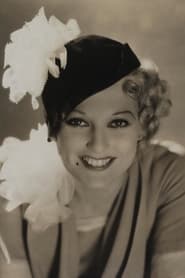
The production of 'Nevada' took place during a pivotal moment in Hollywood history, as the industry was on the cusp of the sound revolution. Gary Cooper, still early in his career, was being groomed by Paramount Pictures as a potential Western star. The filming in the Alabama Hills provided authentic Western landscapes that would become iconic in the genre. Director John W. Noble worked to translate Zane Grey's popular novel to the silent screen, relying on visual storytelling and the emerging star power of his leads. The chemistry between Cooper and Thelma Todd was emphasized through careful blocking and intertitle dialogue, as was the tension between Cooper's character and the villainous foreman.
What critics said
Press notices for Nevada (1927) are sparse in digitized sources; interest today rests on preserved prints and comparison with related titles.
Did you know?
- This was one of Gary Cooper's earliest leading roles in a Western, helping to establish his cowboy star persona
- The film is based on a novel by Zane Grey, especially popular Western authors of the era
- Despite being credited as John Waters in some sources, the actual director was John W. Noble
- William Powell was NOT in - this appears to be a common confusion with other films of the era
- Thelma Todd, who plays the female lead, would later become famous for her work in comedy films with the Marx Brothers
- The film was shot in the Alabama Hills, a location that would become famous for countless Westerns
- This was released just before the transition to sound films, making it part of the final wave of major silent Westerns
- Zane Grey's novels were extremely popular source material for films during this period
- Gary Cooper's natural, understated acting style was well-suited to the silent film medium
- The film's preservation status is uncertain, as many silent films from this period have been lost
Visual style
The cinematography by James Wong Howe (in some early roles) utilized the dramatic landscapes of the Alabama Hills to create authentic Western atmosphere. The camera work emphasized the vastness of the Western setting while maintaining focus on character emotions through close-ups and medium shots. The black and white photography created strong contrasts between light and shadow, enhancing the moral ambiguity of the protagonist's character. The visual storytelling relied heavily on composition and movement rather than dialogue, typical of the silent era's best work.
Innovations
While not technically groundbreaking, 'Nevada' demonstrated solid filmmaking craftsmanship typical of major studio productions of the late silent era. The film effectively used location shooting to enhance authenticity, a practice that was becoming more common but still not universal. The editing maintained proper pacing for dramatic tension, and the intertitles were efficiently used to convey necessary plot information without disrupting the visual flow. The production values reflected Paramount Pictures' commitment to quality in their star vehicles.
Music
As a silent film, 'Nevada' would have been accompanied by live musical performances in theaters. Theaters typically employed pianists or small orchestras to play appropriate mood music synchronized with the on-screen action. The score likely included popular Western themes of the era, dramatic romantic music for the scenes between Nevada and Mary, and tension-building pieces for the confrontational scenes. The exact musical selections varied by theater and were not standardized as they would later become with sound films.
Famous quotes
As a silent film, dialogue was conveyed through intertitles rather than spoken dialogue
Memorable scenes
- The opening sequence introducing Nevada as a reformed gunfighter seeking honest work
- The tense confrontation between Nevada and the foreman Clan Dillon
- The romantic scenes between Nevada and Mary developing their relationship
- The climactic chase sequence as Nevada flees from the law
- The final showdown where Nevada must prove his redemption
What audiences thought
The film was popular with audiences of its time, particularly fans of Westerns and Gary Cooper's growing star power. The combination of Zane Grey's familiar storytelling and Cooper's appealing performance made it a successful release for Paramount Pictures. Moviegoers of the era appreciated the film's action sequences, romantic elements, and the classic Western themes of redemption and justice. The film's success helped cement Cooper's status as a bankable Western leading man, leading to more substantial roles in subsequent years.
Film connections
Influenced by
- Zane Grey's Western novels
- Earlier silent Westerns
- The Western film genre conventions of the 1920s
This film influenced
- Later Gary Cooper Westerns
- Sound-era Western adaptations of Zane Grey novels
- Character-driven Westerns of the 1930s
Film restoration
The preservation status of 'Nevada' (1927) is uncertain. Many silent films from this period have been lost due to the unstable nature of nitrate film stock and lack of preservation efforts in early Hollywood. Some sources suggest that copies may exist in film archives or private collections, but there is no definitive information about complete prints being readily available for viewing.
Where to watch
- Due to the uncertain preservation status, may not be currently available for viewing. Potential sources might include film archives, special screenings at film festivals or museums, or if preserved, through specialized silent film distributors or streaming services dedicated to classic cinema.