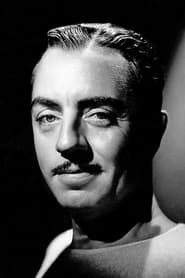
William Powell
Actor
Born: July 29, 1892 in Pittsburgh, Pennsylvania, USA Died: March 5, 1984 Active: 1922-1955 Birth Name: William Horatio Powell
Films
13 films


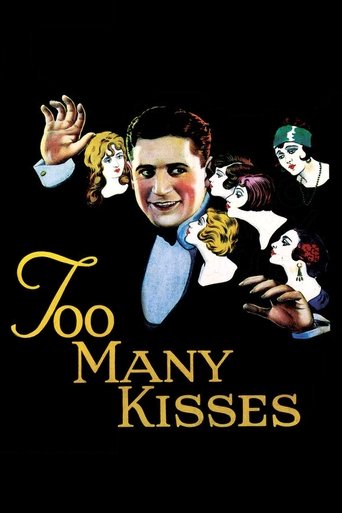
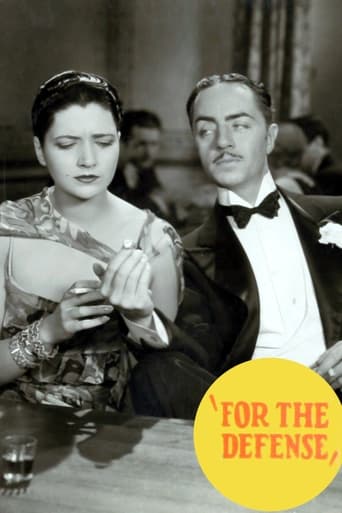
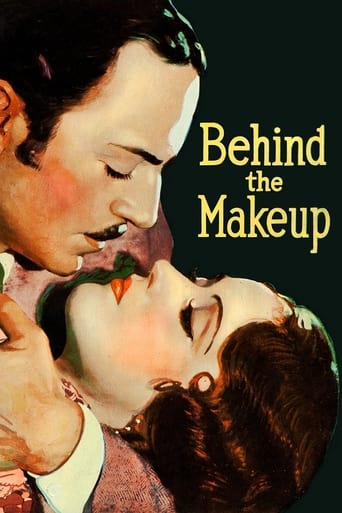
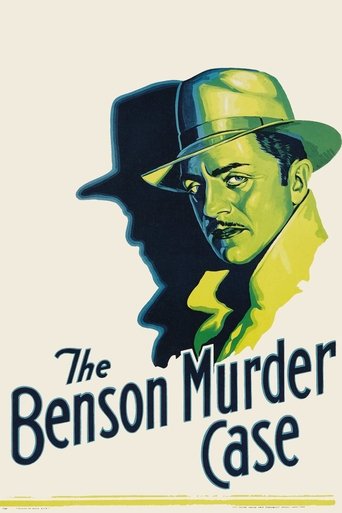
About William Powell
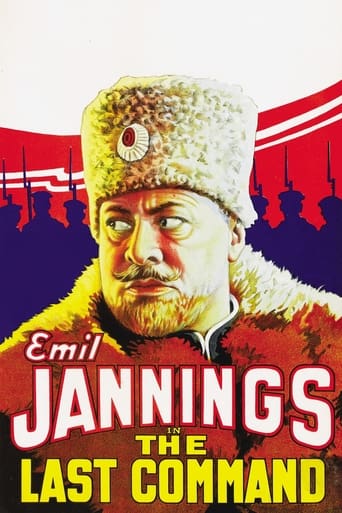
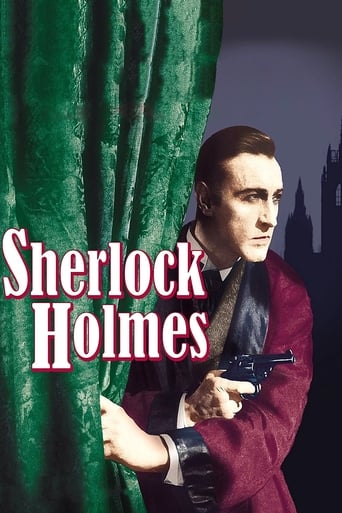
William Powell was one of Hollywood's most actors during the Golden Age, renowned for his sophisticated wit and urbane charm. He began his career in silent films during the early 1920s, appearing in productions like Sherlock Holmes (1922) and The Last Command (1928). Powell successfully transitioned to sound films, where his distinctive baritone voice and impeccable timing made him a star at Paramount and later MGM. He achieved his greatest fame as Nick Charles in The Thin Man series opposite Myrna Loy, creating one of cinema's most beloved screen couples. Throughout his career, Powell was known for playing sophisticated, witty characters with a dry sense of humor and elegant demeanor. He received three Academy Award nominations for Best Actor and was honored with an honorary Oscar in 1952 for his lifetime achievement. Powell continued acting into the 1950s before retiring, leaving behind a legacy as one of Hollywood's most elegant and talented leading men.
The Craft
On Screen
Powell was known for his sophisticated, urbane acting style characterized by dry wit, impeccable timing, and effortless charm. He specialized in playing elegant, intelligent gentlemen with a cynical yet warm demeanor, often employing subtle facial expressions and minimal gestures. His distinctive baritone voice and precise diction made him ideal for the transition to sound films. Powell had a unique ability to deliver witty dialogue with natural ease, making his characters feel both sophisticated and relatable. His style was marked by understated elegance, relying on his voice and timing rather than broad gestures to convey emotion and humor.
Milestones
- Breakthrough role in The Last Command (1928)
- Successful transition to sound films with Paramount Pictures
- Creation of Nick Charles character in The Thin Man (1934)
- Three Academy Award nominations for Best Actor
- partnership with Myrna Loy in 14 films
- Academy Honorary Award for lifetime achievement (1952)
- Final acclaimed performance in Mister Roberts (1955)
Best Known For
Iconic Roles
Must-See Films
Accolades
Won
- Academy Honorary Award (1952)
- New York Film Critics Circle Award for Best Actor (1936)
Nominated
- Academy Award for Best Actor for The Thin Man (1934)
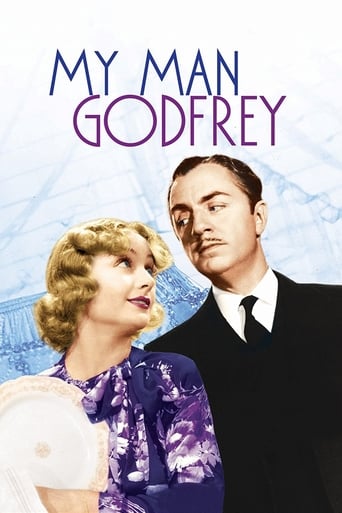
- Academy Award for Best Actor for My Man Godfrey (1936)
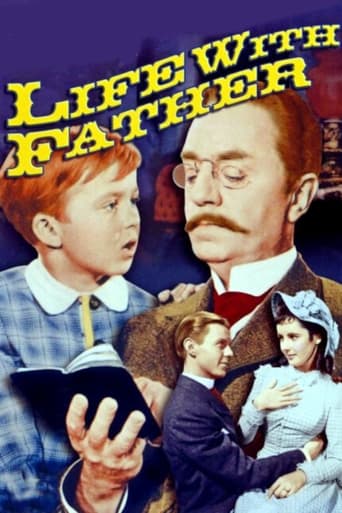
- Academy Award for Best Actor for Life with Father (1947)
Special Recognition
- Hollywood Walk of Fame star (6200 Hollywood Blvd)
- AFI's Greatest Screen Legends (ranked #90)
- American Film Institute recognition for cinematic legacy
Working Relationships
Worked Often With
Studios
Why They Matter
Impact on Culture
William Powell significantly influenced the archetype of the sophisticated leading man in American cinema, establishing a template for wit, elegance, and intelligence that would be emulated for decades. His portrayal of Nick Charles revolutionized the detective genre, creating a model of the witty, intelligent protagonist that influenced countless film noir and mystery characters. The Powell-Loy partnership created one of cinema's most enduring screen couples, setting new standards for romantic chemistry and banter in films. His sophisticated style and delivery of witty dialogue helped define the Golden Age of Hollywood's elegance and charm. Powell's work contributed significantly to the development of the screwball comedy genre through his impeccable timing and natural chemistry with co-stars.
Lasting Legacy
William Powell's legacy endures through his performances and the timeless appeal of his films, particularly The Thin Man series which remains beloved classics. His sophisticated acting style set a standard for elegance and wit in leading men that continues to be referenced in film studies and appreciated by modern audiences. Powell's ability to transition successfully from silent films to talkies demonstrated remarkable adaptability that few of his contemporaries achieved. His films continue to be studied and appreciated for their craftsmanship and the natural chemistry he brought to his roles. The characters he created, especially Nick Charles, have become cultural touchstones that transcend their original era.
Who They Inspired
Powell's influence can be seen in the work of actors like Cary Grant, who also specialized in sophisticated comedy and urbane charm. His timing and delivery of witty dialogue influenced generations of comedic actors, particularly in the screwball comedy tradition. The detective archetype he created in The Thin Man influenced countless film noir and mystery protagonists, establishing the template for the intelligent, witty investigator. His partnership with Myrna Loy set a standard for screen chemistry that continues to be referenced and studied in film schools. Powell's understated acting style influenced the move away from theatrical performances toward more naturalistic film acting.
Off Screen
Powell had a complex personal life marked by several high-profile relationships and marriages. He was known for his sophisticated lifestyle off-screen, matching the elegant characters he portrayed. Powell maintained a close friendship with Myrna Loy throughout his life, though their romantic relationship ended. He was also known for his wit and charm in social settings, making him a popular figure in Hollywood circles. Powell faced personal challenges including the tragic death of his only son William David Powell in 1968, which deeply affected him and led to a temporary retirement from acting.
Education
Attended the University of Kansas, studied at the American Academy of Dramatic Arts
Family
- Eileen Wilson (1925-1936)
- Carole Lombard (1931-1933)
- Diana Lewis (1940-1984)
Did You Know?
- Was a talented amateur boxer before becoming an actor
- One of the few actors to successfully transition from silent films to sound without decline in popularity
- Was offered the role of Don Corleone in The Godfather but declined due to health issues
- Was a close friend of Clark Gable and served as a pallbearer at his funeral
- Was nominated for three Academy Awards but never won in a competitive category
- Was a skilled bridge player and often played with Hollywood celebrities
- Temporarily retired from acting after the death of his son in 1968
- His distinctive mustache became his trademark throughout his career
- Was a founding member of the Hollywood Anti-Nazi League
- Was one of the highest-paid actors in Hollywood during the 1930s
In Their Own Words
"Acting is not being emotional, but being able to express emotion." - Powell on his craft
"The secret to a long marriage is to take it easy and not get too excited about anything." - Powell on marriage
"I've always been a character actor, even when I was playing leads." - Powell on his career
"Comedy is not a pretty business. It's hard work." - Powell on comedic acting
"The camera loves people who are comfortable in their own skin." - Powell on screen presence
Frequently Asked Questions
Who was William Powell?
American with credits in this catalog. He achieved fame for his roles in The Thin Man series and other classic films, becoming.
What films is William Powell best known for?
Titles linked here include The Thin Man (1934), My Man Godfrey (1936).
When was William Powell born and when did he die?
Born July 29, 1892; died March 5, 1984.
What awards did William Powell win?
Powell received an Academy Honorary Award in 1952 for his lifetime achievement and won the New York Film Critics Circle Award for Best Actor in 1936. He was also nominated for three competitive Academy Awards for Best Actor.
What was William Powell's acting style?
Powell was known for his sophisticated, urbane style characterized by dry wit, impeccable timing, and effortless charm. He specialized in playing elegant gentlemen with subtle humor, relying on his distinctive voice and precise delivery rather than broad gestures.
How many films did William Powell make with Myrna Loy?
William Powell made 14 films with Myrna Loy, creating one of Hollywood's most beloved screen partnerships. Their most famous collaboration was The Thin Man series, which included six films spanning 13 years.
Did William Powell win an Academy Award?
While Powell was nominated three times for Best Actor, he never won a competitive Academy Award. However, he received an Academy Honorary Award in 1952 in recognition of his lifetime achievement and contributions to cinema.
What was William Powell's last film?
Powell's final film was Mister Roberts (1955), where he played Lieutenant Doug Roberts opposite Henry Fonda and James Cagney. The film was both a critical and commercial success, serving as an excellent capstone to his career.