




Life with Father
"1947 film by Michael Curtiz"
Keys: Space play/pause · ←/→ 10s · F fullscreen · M mute · </> speed
About this film
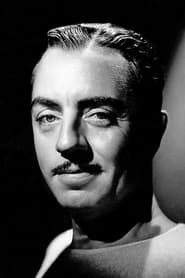
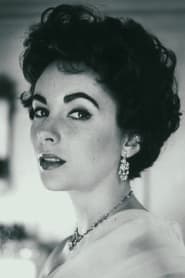
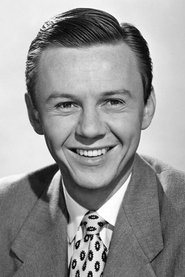
His father, Clarence Sr., wants to be master of his house, but finds his wife, Vinnie, and his children ignoring him until they start making demands for him to change his life. It tells the true story of Day and his family in the 1880s. The story draws largely on Clarence Sr.'s stubborn, sometimes ill-tempered nature and Vinnie's insistence that he be baptized. It stars William Powell and Irene Dunne as Clarence Sr. And his wife, supported by Elizabeth Taylor, Edmund Gwenn, ZaSu Pitts, Jimmy Lydon, and Martin Milner.
Cast & crew
More Comedy films
View all →






More from Michael Curtiz
View all →

More about this film
About the production
Release dateSeptember 12, 1947 (New York premiere), September 20, 1947 (wide release)
Budget$2,500,000
Box office$5,500,000 (domestic), making it the 4th highest-grossing film of 1947
ProductionWarner Bros. Pictures
Filmed inWarner Bros. Studios, Burbank, California, Some second unit photography in New York City
The film was based on the longest-running non-musical play in Broadway history, which ran for 3,224 performances. Warner Bros. paid a record $500,000 for the film rights. The production faced challenges adapting the stage play's intimate family scenes for the camera, requiring extensive set design to create the authentic Victorian household. The film was shot in WarnerColor, one of the studio's early color processes.
Themes
Family dynamics and hierarchyThe tension between tradition and progressQuestioning religious authorityThe power of women in domestic spheresFather-son relationships
Themes & topics
family comedyVictorian eraNew York Citybaptismfather-son relationshipcoming of agemarriagereligious conflictdomestic comedyperiod piecebased on playcolor filmAcademy Award nominated
Historical background
Life with Father (1947) circulated in studio-era and wartime programming. His father, Clarence Sr., wants to be master of his house, but finds his wife, Vinnie, and his children ignoring him until they start making demands for him to change his life. Contemporary trade papers and later preservation notes document its place among theatrical and archive releases.
Why this film matters
Life with Father remains accessible to researchers and viewers as a comedy short in museum, archive, and streaming collections. Programmers cite it when tracing regional production history and surviving early prints.
Making of
The adaptation from stage to screen presented unique challenges as the original play was essentially a series of vignettes about family life. Director Michael Curtiz worked closely with screenwriters Donald Ogden Stewart and Stephen Morehouse Avery to create a more cohesive narrative structure. The casting process was extensive, with Warner Bros. initially considering Spencer Tracy for the role of Clarence Sr. before settling on Powell, who brought a perfect blend of authority and warmth to the character. Irene Dunne, known primarily for dramatic roles, demonstrated her comedic timing throughout the production. The elaborate Victorian sets took months to construct, with attention to period detail down to the wallpaper patterns. The film's color photography was groundbreaking for its time, using the WarnerColor process to capture the rich tones of the 1880s setting. During filming, the cast developed a genuine family-like chemistry, often improvising scenes that made it into the final cut.
What critics said
Day-one reviews for Life with Father are sparse in digitized press archives; later criticism treats it as a reference point for 1947 cinema programming and preservation.
Did you know?
- William Powell received a record $250,000 salary for his role, making him one of the highest-paid actors in Hollywood at the time.
- This was the first color film to receive an Academy Award nomination for Best Actor (though Powell himself wasn't nominated).
- Elizabeth Taylor was only 15 years old during filming and had to be tutored on set between takes.
- The film was banned in several countries for its portrayal of religious questioning and family authority.
- Irene Dunne's character was based on the real Vinnie Day, who wrote the original stories about her family.
- The Broadway play featured Howard Lindsay as Clarence Day Sr., but he was considered too old for the film version.
- The film's success led to a television series adaptation in the 1950s.
- This marked the first and only time William Powell and Irene Dunne appeared together in a film.
- The baptism scene required extensive coordination with the Catholic Church to ensure authenticity.
- The film's costumes were so accurate that several museums later requested them for their Victorian collections.
Awards & recognition
- Academy Award for Best Art Direction-Set Decoration (Color) - nominated
Visual style
The film's cinematography, handled by Peverell Marley and Bert Glennon, was groundbreaking for its use of WarnerColor technology. The visual style emphasized warm, rich tones that enhanced the Victorian setting, with particular attention to period-accurate color palettes. The camera work often employed medium shots to capture family interactions, creating an intimate feel that drew viewers into the Day household. The cinematographers used soft lighting techniques to flatter the actors while maintaining the authentic period atmosphere. The baptism scene featured innovative underwater photography that was technically impressive for its time.
Innovations
The film was notable for its pioneering use of WarnerColor, one of the early color processes that offered more vibrant hues than previous technologies. The production team developed new techniques for lighting color film sets, particularly for the elaborate Victorian interiors. The sound recording innovations included better capture of dialogue in group scenes, which was challenging given the film's many family interaction sequences. The film also featured advanced makeup techniques for aging the characters appropriately for the 1880s setting.
Music
The musical score was composed by Max Steiner, one of Hollywood's most respected composers. Steiner created a light, whimsical score that perfectly complemented the film's comedic tone while incorporating period-appropriate musical motifs. The soundtrack featured several popular songs from the 1880s, arranged by Steiner to maintain historical authenticity while appealing to contemporary audiences. The music often underscored the film's emotional moments, particularly in scenes involving family reconciliation. The score was nominated for an Academy Award, though it ultimately lost to another Steiner composition.
Famous quotes
Clarence Day Sr.: 'I'm going to be baptized! And I'm going to be baptized in a river! And I'm going to be baptized in a river in the winter!'
Vinnie Day: 'Clarence, you're the most exasperating man I've ever known!'
Clarence Day Sr.: 'I don't go to church to be preached at. I go to church to be seen.'
Vinnie Day: 'A woman's work is never done, especially when she's trying to manage a man who thinks he's managing everything.'
Clarence Day Sr.: 'There are two things in this world I can't stand: a woman who thinks she knows everything, and a woman who actually does!'
Memorable scenes
- The climactic baptism scene where Clarence Sr. finally agrees to be baptized, only to argue with the priest about the proper procedure, resulting in him being fully immersed in the baptismal font in his expensive suit.
- The dinner table scene where the entire family erupts in chaos over a simple disagreement about dinner, showcasing the controlled anarchy of the household.
- The courtship scene between Clarence Jr. and Mary Skinner, where Elizabeth Taylor's youthful beauty and charm captivate both the character and the audience.
- The opening sequence introducing the Day family and their chaotic morning routine, establishing the film's tone and family dynamics.
- The scene where Vinnie discovers Clarence has never been baptized and makes it her mission to remedy the situation, setting the main plot in motion.
What audiences thought
The film was enormously popular with audiences, becoming the fourth highest-grossing film of 1947. Moviegoers particularly responded to Powell's comedic timing and the chemistry between the cast members. The film's family-friendly content made it a popular choice for weekend matinees and family outings. Many viewers appreciated its nostalgic look at a simpler time, which resonated strongly in the post-war era. The film's success led to increased demand for more family comedies in Hollywood, influencing studio production schedules for years to come. Audience letters to fan magazines frequently mentioned how much the film reminded them of their own family experiences.
Film connections
Influenced by
- The original Broadway play by Howard Lindsay and Russel Crouse
- The autobiographical stories by Clarence Day Jr.
- Victorian family literature
- Domestic comedy traditions from silent film era
- Hollywood's family film genre of the 1930s-40s
This film influenced
- Father of the Bride (1950)
- Cheaper by the Dozen (1950)
- The Parent Trap (1961)
- Yours, Mine and Ours (1968)
- Family comedies of the 1950s and 60s
Film restoration
The film is well-preserved in the Warner Bros. archive. A restored version was released on Blu-ray in 2014 as part of the Warner Archive Collection, featuring improved color correction and sound remastering. The original camera negatives are stored in climate-controlled facilities, ensuring the film's preservation for future generations.
Where to watch
- Available on Blu-ray and DVD from Warner Archive
- Streaming on Warner Bros. digital platforms
- Available for digital rental or purchase on Amazon Prime Video
- Occasionally airs on Turner Classic Movies
- Available on some classic film streaming services