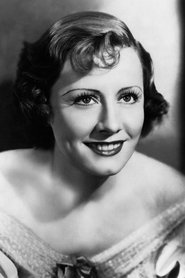
Irene Dunne
Actor
Born: December 20, 1898 in Louisville, Kentucky, USA Died: September 4, 1990 Active: 1928-1956 Birth Name: Irene Marie Dunn
Films
4 films
About Irene Dunne
Irene Dunne (1898-1990) was one of Hollywood's most versatile actresses during the Golden Age, renowned for her exceptional ability to excel in both comedy and drama. She began her career as a music teacher and performer on Broadway before making her film debut in 1930's 'Leathernecking.' Over the next three decades, Dunne established herself as respected actresses in Hollywood, earning five Academy Award nominations for Best Actress. Her sophisticated screen presence and remarkable emotional range allowed her to master everything from screwball comedies to heartfelt melodramas and musicals. Beyond her acting career, Dunne was deeply involved in politics and humanitarian work, serving as a delegate to the United Nations under President Eisenhower. Her professionalism and dedication to her craft made her reliable stars of her era, never missing a day of shooting throughout her entire career. After retiring from films in the 1950s, she focused on philanthropic work and became a respected figure in Washington D.C. Society, receiving the Kennedy Center Honors in 1985 for her contributions to American culture.
The Craft
On Screen
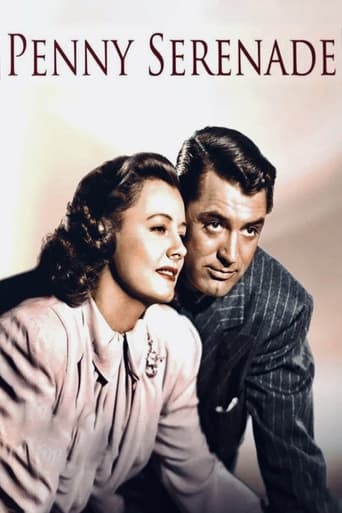
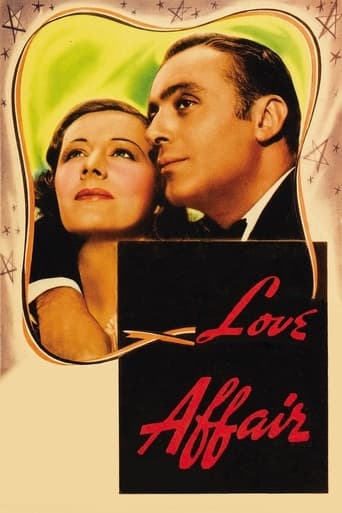
Irene Dunne was celebrated for her remarkable versatility and emotional range, seamlessly transitioning between sophisticated screwball comedies and poignant dramatic roles. Her acting style combined theatrical precision with naturalistic emotion, featuring a distinctive, well-modulated speaking voice that added to her sophisticated screen presence. Dunne possessed impeccable comedic timing in films like 'The Awful Truth' while delivering powerful dramatic performances in movies such as 'Love Affair' and 'Penny Serenade.' She was particularly adept at playing intelligent, strong-willed women who maintained their dignity even in the most comedic situations. Her technique involved careful preparation and emotional authenticity, allowing her to create memorable characters that resonated with audiences across different genres. Dunne's background in music and theater contributed to her polished delivery and ability to convey complex emotions through subtle gestures and vocal inflections.
Milestones
- Five Academy Award nominations for Best Actress
- Successful transition from Broadway to Hollywood
- Master of both comedy and drama genres
- Served as US delegate to United Nations
- Received Kennedy Center Honors in 1985
- Golden Globe Cecil B. DeMille Award recipient (1958)
Best Known For
Iconic Roles
Must-See Films
Accolades
Won
- Kennedy Center Honors (1985)
- Golden Globe Cecil B. DeMille Award (1958)
- Laetare Medal from University of Notre Dame (1965)
Nominated
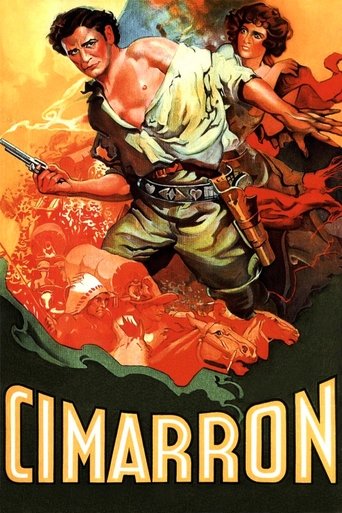
- Academy Award for Best Actress for 'Cimarron' (1931)
- Academy Award for Best Actress for 'Theodora Goes Wild' (1936)
- Academy Award for Best Actress for 'The Awful Truth' (1937)
- Academy Award for Best Actress for 'Love Affair' (1939)
- Academy Award for Best Actress for 'I Remember Mama' (1948)
Special Recognition
- Kennedy Center Honoree (1985)
- Hollywood Walk of Fame star
- Golden Globe Cecil B. DeMille Award (1958)
- Laetare Medal from University of Notre Dame (1965)
- One of the American Film Institute's greatest female stars
Working Relationships
Worked Often With
Studios
Why They Matter
Impact on Culture
Irene Dunne represented the ideal of the sophisticated, intelligent Hollywood leading lady during the Golden Age, setting standards for versatility and professionalism. Her ability to excel in both comedy and drama helped establish the precedent for multifaceted actresses in Hollywood, proving that stars need not be typecast in a single genre. Dunne's performances in films like 'The Awful Truth' helped define the screwball comedy genre, while her dramatic work in 'Love Affair' set standards for romantic melodramas that would influence films for decades. Her success as a singer-actress also contributed to the popularity of musical films during the 1930s, with her performance in 'Show Boat' remaining. Beyond her film work, Dunne's later involvement in politics and diplomacy demonstrated how Hollywood stars could transition into public service, paving the way for other entertainers to engage in political and humanitarian causes. Her reputation for professionalism and her refusal to sign long-term studio contracts also helped establish greater autonomy for actors in the Hollywood system.
Lasting Legacy
Irene Dunne is remembered as one of Hollywood's most versatile and accomplished actresses of the 1930s and 1940s, with a career that spanned over 70 films. Her five Academy Award nominations without a win has made her part of Hollywood lore as. The films she starred in, particularly 'The Awful Truth' and 'Love Affair,' remain classics of their respective genres and continue to be studied by film scholars and appreciated by audiences. Dunne's sophisticated screen persona and ability to balance comedy with drama influenced generations of actresses who followed, including stars like Doris Day and Grace Kelly. Her post-Hollywood career in public service established a precedent for celebrities using their fame for humanitarian and diplomatic purposes, influencing later entertainers from Audrey Hepburn to Angelina Jolie. The Kennedy Center Honors she received in 1985 cemented her status as an American cultural icon whose influence extended far beyond her film career. Today, Dunne is remembered not only for her talent but also for her integrity, professionalism, and dedication to both her craft and her country.
Who They Inspired
Irene Dunne's technical skill and emotional range influenced countless actresses who followed, particularly those who sought to excel in both comedy and drama like Katharine Hepburn and Barbara Stanwyck. Her work in screwball comedies helped establish the template for the genre, influencing later actresses like Carole Lombard, Jean Arthur, and Rosalind Russell. Dunne's ability to maintain her dignity while performing physical comedy inspired later actresses like Lucille Ball and Carol Burnett. Her transition from entertainment to public service influenced later celebrities who sought to use their fame for social and political causes, including Shirley Temple Black and Jane Fonda. The professionalism and business acumen she demonstrated throughout her career also set standards for how actors could maintain control over their careers and public images. Many contemporary actresses cite Dunne as an influence for her ability to portray strong, intelligent women who could be both vulnerable and resilient.
Off Screen
Irene Dunne married Dr. Francis Griffin, a prominent dentist, in 1928, and their marriage lasted 37 years until his death in 1965. They adopted one daughter, Mary Frances, in 1936, and Dunne was known to be a devoted mother. Despite her Hollywood fame, she maintained a relatively private personal life and was widely respected for her devout Catholic faith, which she practiced throughout her life. After her husband's death, Dunne became more involved in political and diplomatic circles, serving as an alternate delegate to the United Nations during the Eisenhower administration. She was actively involved in numerous charitable organizations, including the National Committee for the Literary Arts and the Hollywood Committee for the Motion Picture Industry Council. Dunne was known for her practical nature, business acumen, and ability to maintain her values in the often-tumultuous Hollywood environment.
Education
Attended the Indianapolis Conservatory of Music, studied at the Chicago Musical College, and received training at the Theatre Guild acting school in New York. She also studied voice with famous teacher Anna Schoen-René.
Family
- Dr. Francis Griffin (1928-1965)
Did You Know?
- Irene Dunne received five Academy Award nominations for Best Actress but never won, making her.
- She began her career as a music teacher and had a trained soprano voice that she showcased in several films including 'Show Boat' and 'Sweet Adeline'.
- Dunne — devout Catholic throughout her life and maintained her faith despite Hollywood pressures, receiving the Laetare Medal from Notre Dame.
- She was one of the first movie stars to serve as a delegate to the United Nations,