


Penny Serenade
"wartime intrigue and julie"
Keys: Space play/pause · ←/→ 10s · F fullscreen · M mute · </> speed
About this film
During a turbulent wartime life, julie and Roger are a love-struck married couple who desperately want to have a child. Tragedy after tragedy gets in their way, as the two attempt to rise above their troubles and fulfill their dreams of parenthood.
Cast & crew
More Drama films
View all →






More from George Stevens
View all →
More about this film
About the production
Release dateDecember 25, 1941
Budget$617,000
Box office$1,675,000 (domestic)
ProductionColumbia Pictures
Filmed inColumbia Studios - 1428 N. Gower Street, Hollywood, Los Angeles, California, USA
The film was originally titled 'The Story of a Divorce' but was changed to 'Penny Serenade' to emphasize the musical theme that runs throughout the narrative. The production faced challenges with the emotional scenes, particularly the earthquake sequence, which required innovative special effects for the time. The film was shot in just 44 days, an unusually quick schedule for such an emotionally complex production.
Themes
Enduring love through tragedyThe meaning of family and parenthoodGrief and healingMarital resilienceThe power of memory
Themes & topics
adoptionearthquakeinfertilitymarriage crisisgriefnewspaper reporterflashback structuremusical narrativechild deathreconciliation
Historical background
Viewers who saw Penny Serenade in 1941 experienced it within the conventions of wartime filmmaking. It was produced and distributed by Columbia Pictures. Grant was nominated for the Academy Award for Best Actor for his performance.
Why this film matters
Film clubs and archives revisit Penny Serenade as part of broader wartime programming.
Making of
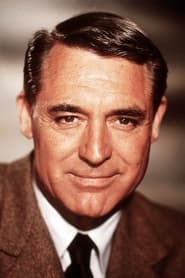
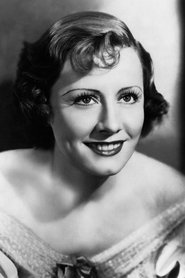
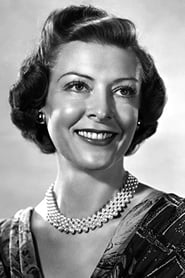
The production of 'Penny Serenade' was marked by intense emotional commitment from its cast. Cary Grant, known primarily for his comedic roles, took a significant risk with this dramatic performance and reportedly broke down multiple times during filming of the emotional scenes. Irene Dunne, who had experience with dramatic roles, helped guide Grant through the more challenging emotional beats. Director George Stevens insisted on multiple takes for the most emotional scenes to capture authentic performances. The earthquake sequence required extensive planning and the construction of a special shaking set. The film's musical integration was carefully planned, with each song representing a different phase of the couple's relationship. Stevens worked closely with composer Morris Stoloff to ensure the music enhanced rather than overwhelmed the emotional narrative.
What critics said
Surviving reviews and later retrospectives treat Penny Serenade as representative wartime fare—valued for craft even when not hailed as a masterpiece. Grant was nominated for the Academy Award for Best Actor for his performance.
Did you know?
- Cary Grant received his first Academy Award nomination for Best Actor for this role, though he lost to Gary Cooper for 'Sergeant York'.
- Irene Dunne and Cary Grant had previously starred together in 'The Awful Truth' (1937) and 'My Favorite Wife' (1940), making this their third and final film together.
- The title comes from the 1910 song 'Penny Serenade' by Lester Barrett and Edward Marks, which plays a significant role in the film's narrative structure.
- The film was based on an unpublished story by Martha Cheavens titled 'The Story of a Divorce'.
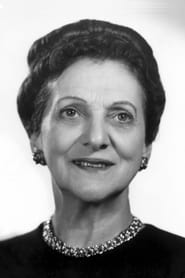
- Beulah Bondi, who plays the adoption agency worker Miss Oliver, was only 43 years old when she played the elderly character, demonstrating her remarkable acting range.
- The earthquake sequence was created using a combination of camera tricks, miniature sets, and shaking platforms, representing advanced special effects for 1941.
- The film was released just 18 days after the attack on Pearl Harbor, which affected its initial box office performance.
- Director George Stevens considered this one of his most personal films, as he had experienced personal loss during this period.
- The baby who played Trina was actually twins, as child labor laws limited how long a single infant could work on set.
- The film's structure, using songs as narrative markers, was considered innovative for its time and influenced later films.
Awards & recognition
- Academy Award for Best Actress nomination - Irene Dunne
- Academy Award for Best Actor nomination - Cary Grant
- Academy Award for Best Director nomination - George Stevens
- Academy Award for Best Sound Recording nomination - John Livadary
Visual style
The cinematography by Joseph Walker employed soft focus lighting to enhance the film's romantic and emotional elements. The visual style transitions from bright, optimistic tones during the couple's early happiness to darker, more shadowed compositions during their periods of grief. The earthquake sequence featured innovative camera techniques, including handheld shots and rapid cutting to create chaos and disorientation. Walker used careful framing to emphasize the isolation of the characters during their moments of despair, often positioning them at opposite ends of the frame to visualize their emotional distance. The film's visual narrative was enhanced by the use of close-ups that captured the subtle emotional shifts in the actors' performances.
Innovations
The film featured innovative special effects for the earthquake sequence, including the use of a gimbal-mounted set that could be shaken violently while the camera remained stable. The production team developed new techniques for creating the illusion of destruction using miniatures and matte paintings. The sound recording, nominated for an Academy Award, employed advanced techniques for balancing dialogue, music, and sound effects, particularly during the chaotic earthquake scene. The film's editing, which seamlessly integrated flashbacks triggered by musical cues, was considered groundbreaking for its time and influenced later narrative techniques in cinema.
Music
The film's soundtrack, composed by Morris Stoloff, integrates popular songs from the early 20th century as narrative devices. The title song 'Penny Serenade' serves as the film's musical motif, recurring at key emotional moments. Other significant songs include 'By the Light of the Silvery Moon,' 'In the Good Old Summer Time,' and 'Let the Rest of the World Go By.' The musical selections were carefully chosen to reflect the different stages of the couple's relationship and to trigger the film's flashback structure. The score received particular praise for its restraint and its ability to enhance emotion without becoming manipulative.
Famous quotes
Julie: 'You know, Roger, I've been thinking. Maybe it's better to have loved and lost than never to have loved at all.'
Roger: 'You can't have a family without a home, and you can't have a home without love.'
Julie: 'Somehow, some way, we'll make it. We always have.'
Roger: 'I never knew how much I needed you until I almost lost you.'
Miss Oliver: 'Adoption isn't about giving a child a home. It's about giving a home a child.'
Memorable scenes
- The earthquake sequence where Julie loses her baby, featuring groundbreaking special effects and emotional performances
- The adoption interview scene where the couple's desperation and hope are palpable
- The montage of raising Trina set to popular songs of the era
- The final scene where Julie rushes to stop Roger from leaving, accompanied by the title song
- The opening scene where Julie listens to records and begins the story of their marriage
What audiences thought
Despite its December 25 release date, which typically favored family films, 'Penny Serenade' found its audience through word of mouth. The film's emotional power resonated with wartime audiences who were experiencing their own separations and losses. Many viewers reported being deeply moved by the film's honest portrayal of grief and the strength of enduring love. The film developed a reputation as a 'three-hankie picture' and became a favorite for date nights, particularly among couples facing the challenges of wartime separations. Over time, it has maintained its status as a beloved classic, particularly among fans of Grant and Dunne's chemistry.
Film connections
Influenced by
- The Awful Truth (1937) - for the Grant-Dunne chemistry
- Stella Dallas (1937) - for its maternal melodrama elements
- Make Way for Tomorrow (1937) - for its honest portrayal of family struggles
This film influenced
- The Best Years of Our Lives (1946) - for its emotional honesty about family struggles
- An Affair to Remember (1957) - for its romantic tragedy elements
- Terms of Endearment (1983) - for its blend of humor and tragedy in a family story
Film restoration
The film has been preserved by the Library of Congress and was selected for the National Film Registry in 2020 for its cultural, historical, and aesthetic significance. Columbia Pictures maintains a high-quality preservation print, and the film has been digitally restored for home media releases. The original nitrate negatives are stored in climate-controlled facilities at the UCLA Film and Television Archive.
Where to watch
- Available on DVD and Blu-ray from Sony Pictures Home Entertainment
- Streaming on The Criterion Channel
- Available for digital rental or purchase on Amazon Prime Video
- Occasionally airs on Turner Classic Movies
- Available through various streaming services with classic film libraries