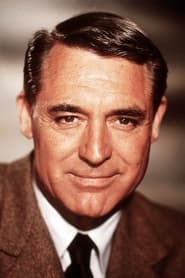
Cary Grant
Actor
Born: January 18, 1904 in Bristol, England Died: November 29, 1986 Active: 1932-1966 Birth Name: Archibald Alec Leach
Films
4 films
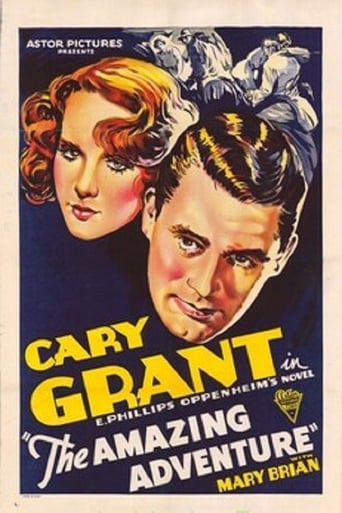
About Cary Grant
Cary Grant, born Archibald Alec Leach, rose from humble beginnings in Bristol, England, to become one of Hollywood's most enduring icons. He began his career as a stilt walker and acrobat in traveling vaudeville troupes before transitioning to Broadway, where he caught the attention of Hollywood scouts. Signed by Paramount Pictures in 1931, he quickly established himself as a leading man with a unique blend of sophistication, wit, and physical comedy. Throughout the 1930s and 1940s, Grant perfected his trademark debonair persona in screwball comedies and romantic dramas, becoming the epitome of the elegant, self-assured gentleman. His collaborations with directors like Alfred Hitchcock, Howard Hawks, and George Cukor produced some of cinema's most beloved classics. Despite never winning a competitive Academy Award during his active career, Grant's influence on film style and masculine elegance was immeasurable. He retired from acting in 1966 after a career spanning over 70 films, leaving behind a legacy that continues to define Hollywood's Golden Age.
The Craft
On Screen
Cary Grant developed a distinctive acting style characterized by effortless sophistication, impeccable comic timing, and a unique transatlantic accent that became his trademark. He excelled at both physical comedy and subtle emotional depth, often playing characters who maintained a cool exterior while revealing vulnerability underneath. His technique involved precise control of his voice and body movements, creating performances that appeared spontaneous but were carefully crafted. Grant specialized in the 'comedy of embarrassment,' masterfully navigating awkward situations with charm and wit. He was equally convincing in romantic leads, suspense thrillers, and dramatic roles, showcasing remarkable versatility while maintaining his signature persona.
Milestones
- Signed first Hollywood contract with Paramount Pictures (1931)
- Breakthrough role in 'She Done Him Wrong' with Mae West (1933)
- Established screwball comedy credentials in 'The Awful Truth' (1937)
- Collaboration with Alfred Hitchcock began with 'Suspicion' (1941)
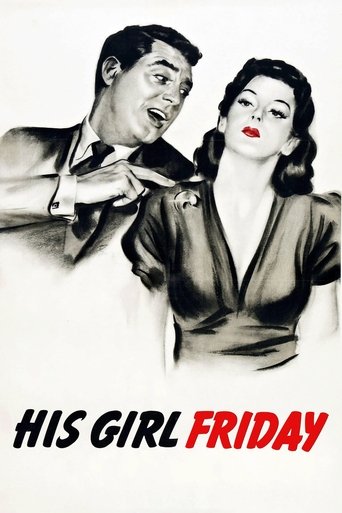
- Starred in the definitive screwball comedy 'His Girl Friday' (1940)
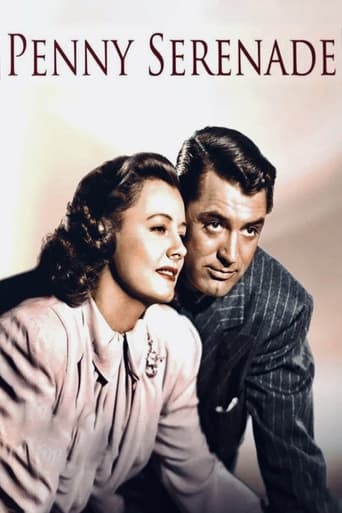
- Received first Academy Award nomination for 'Penny Serenade' (1941)
- Delivered iconic performance in 'North by Northwest' (1959)
- Received honorary Academy Award for lifetime achievement (1970)
- Named second greatest male star by AFI (1999)
Best Known For
Iconic Roles
Must-See Films
Accolades
Won
- Academy Honorary Award (1970)
- New York Film Critics Circle Award for Best Actor for 'None But the Lonely Heart' (1944)
- Golden Globe Cecil B. DeMille Award (1966)
- Kennedy Center Honors (1981)
Nominated
- Academy Award nomination for Best Actor for 'Penny Serenade' (1941)
- Academy Award nomination for Best Actor for 'None But the Lonely Heart' (1944)
- Golden Globe nomination for Best Actor for 'North by Northwest' (1959)
- BAFTA nomination for Best Foreign Actor for 'North by Northwest' (1959)
Special Recognition
- Hollywood Walk of Fame star (1960)
- AFI's Greatest Male Stars of Classic Hollywood Cinema ranked #2
- American Film Institute Life Achievement Award (1975)
- Inducted into the International Best Dressed Hall of Fame
- U.S. Postal Service commemorative stamp (1991)
Working Relationships
Worked Often With
Studios
Why They Matter
Impact on Culture
Cary Grant fundamentally shaped the ideal of masculine sophistication in American cinema, creating a persona that combined wit, elegance, and approachable charm. His transatlantic accent and impeccable style became the standard for leading men, influencing how Hollywood presented masculinity for decades. Grant's ability to excel in both comedy and drama broke down genre barriers, proving that actors could successfully transition between screwball comedies and serious dramatic roles. His collaborations with Alfred Hitchcock helped define the thriller genre, while his screwball comedies with Howard Hawks established conventions still used in romantic comedies today. Beyond film, Grant became a cultural symbol of American sophistication and success, representing the possibility of reinvention and the American dream for immigrants.
Lasting Legacy
Cary Grant's legacy endures as one of cinema's most perfect examples of star power and artistic achievement. His films continue to be studied in film schools for their technical excellence and performances that remain fresh and relevant decades later. The 'Cary Grant persona' has become a cultural shorthand for sophisticated, witty masculinity, referenced in countless films, television shows, and literature. His influence extends beyond acting to fashion, with his style still considered timeless and elegant. Grant's career demonstrated the power of personal branding in Hollywood, showing how an actor could create and maintain a consistent public image while still delivering diverse performances. His decision to retire at the height of his popularity left audiences wanting more, cementing his legendary status.
Who They Inspired
Grant influenced generations of actors through his unique combination of physical comedy, verbal wit, and emotional authenticity. His technique of underplaying dramatic moments while excelling in comedy became a model for actors seeking to balance both skills. The way he handled dialogue delivery, particularly his timing and inflection, became a masterclass in screen acting. His collaborations with directors like Hitchcock demonstrated how actors could contribute to the artistic vision while maintaining their star persona. Modern actors from Hugh Grant to George Clooney have cited his work as inspiration, particularly his ability to appear effortlessly charming on screen. Grant's approach to career management, choosing quality projects and maintaining artistic control, influenced how future stars would navigate Hollywood.
Off Screen
Cary Grant's personal life was as dramatic as his film roles, marked by five marriages and a carefully crafted public persona. He married actress Virginia Cherrill in 1934, but the marriage lasted only one year. His second marriage to Woolworth heiress Barbara Hutton was highly publicized but ended in divorce after three years. His longest marriage was to actress and writer Betsy Drake, who influenced his interest in psychology and LSD therapy. Grant became a father at age 62 when his fourth wife, Dyan Cannon, gave birth to their daughter Jennifer in 1966. His final marriage to Barbara Harris lasted until his death from a stroke in 1986. Despite his romantic image on screen, Grant struggled with relationships and underwent psychoanalysis and LSD therapy in the 1950s to understand himself better.
Education
Left school at age 14; attended Fairfield School in Bristol; later took acting classes at the Actors' Equity Association and studied with drama coach Maria Ouspenskaya
Family
- Virginia Cherrill (1934-1935)
- Barbara Hutton (1942-1945)
- Betsy Drake (1949-1962)
- Dyan Cannon (1965-1968)
- Barbara Harris (1981-1986)
Did You Know?
- Was born with one club foot, which was corrected through childhood exercises
- His stage name 'Cary Grant' was chosen from a list of names provided by Paramount Pictures
- Turned down the role of James Bond in 'Dr. No' (1962)
- Was a practitioner of LSD therapy under medical supervision in the 1950s
- Was offered the role of James Mason's character in 'A Star Is Born' (1954) but declined
- At 59, became one of the oldest first-time fathers in Hollywood when his daughter Jennifer was born
- Was a close friend of the Kennedy family and was considered for an ambassadorship
- His distinctive accent was a carefully crafted blend of British and American speech patterns
- Was a vegetarian and health enthusiast long before it became fashionable
- Served on the board of Fabergé and was involved in business ventures outside acting
- Was offered but declined a knighthood from Queen Elizabeth II
- His final film 'Walk, Don't Run' (1966) was set during the 1964 Tokyo Olympics
In Their Own Words
"Everyone wants to be Cary Grant. Even I want to be Cary Grant." - Reflecting on his carefully crafted public persona
"I pretended to be somebody I wanted to be until finally I became that person. Or he became me." - On creating his star identity
"My formula for living is quite simple. I get up in the morning and I go to bed at night. In between, I occupy myself as best I can." - His philosophy of life
"To succeed with the opposite sex, tell her you're impotent. She can't wait to disprove it." - His characteristic wit about romance
"I have spent the greater part of my life fluctuating between Archie Leach and Cary Grant, unsure of each, suspecting both." - On his identity struggle
Frequently Asked Questions
Who was Cary Grant?
Cary Grant was one of Hollywood's most iconic leading actors during the Golden Age of cinema, known for his sophisticated charm, wit, and versatility in both comedy and drama. Born Archibald Leach in England, he became an American citizen and starred in over 70 films, working with legendary directors like Alfred Hitchcock and Howard Hawks.
What films is Cary Grant best known for?
Titles linked here include North by Northwest (1959), His Girl Friday (1940).
When was Cary Grant born and when did he die?
Born January 18, 1904; died November 29, 1986.
What awards did Cary Grant win?
Although nominated twice for Academy Awards ('Penny Serenade' and 'None But the Lonely Heart'), Grant never won a competitive Oscar. However, he received an honorary Academy Award in 1970 for lifetime achievement, a Golden Globe Cecil B. DeMille Award, and was named the second greatest male star of classic Hollywood cinema by AFI.
What was Cary Grant's acting style?
Grant's acting style combined effortless sophistication with impeccable comic timing and a distinctive transatlantic accent. He excelled at both physical comedy and subtle emotional depth, often playing characters who maintained a cool exterior while revealing vulnerability underneath. His technique involved precise control of voice and body movements, creating performances that appeared spontaneous but were carefully crafted.
How many times was Cary Grant married?
Cary Grant was married five times: to Virginia Cherrill (1934-1935), Barbara Hutton (1942-1945), Betsy Drake (1949-1962), Dyan Cannon (1965-1968), and Barbara Harris (1981-1986). He had one daughter, Jennifer, with his fourth wife Dyan Cannon.
What was Cary Grant's real name?
Cary Grant was born Archibald Alec Leach in Bristol, England. He adopted the stage name 'Cary Grant' early in his Hollywood career after Paramount Pictures provided him with a list of possible names to choose from.