Films
1 film
About Leonard Willey
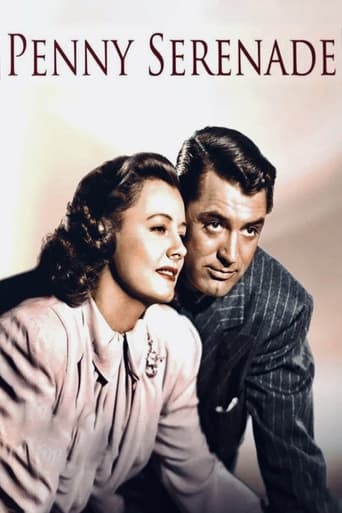
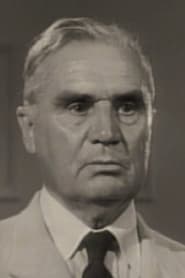
Minor American character actor: known screen work is extremely limited and largely documented through his credited appearance in the 1941 film Penny Serenade. He appears to have been active only briefly in Hollywood, and surviving reference sources do not preserve a full biographical record of his early life, training, or later career. Like many small-role performers of the studio era, he is remembered primarily through film credits rather than through extensive press coverage or star publicity. His screen presence is associated with the supporting-player ecosystem of early 1940s American cinema, where even brief appearances contributed to the texture and realism of studio productions. Because documentation is sparse, it is not currently possible to confirm his birth details, family background, education, or death information with confidence. His historical significance lies mainly in his participation in Penny Serenade, a widely admired melodrama starring Irene Dunne and Cary Grant, which helps preserve his name in classic film databases. He remains one of the many obscure but valuable working actors whose careers are visible in the margins of Hollywood history.
The Craft
On Screen
No detailed critical descriptions of Leonard Willey’s acting style survive in widely available classic-cinema reference sources. Based on his limited documented screen presence, he should be understood as a supporting or bit-part character actor rather than a star performer. His work would have followed the studio-era preference for naturalistic, efficient, scene-serving performances that supported the leads without drawing focus. Because only a small amount of filmography is known, any more specific assessment would be speculative.
Milestones
- Credited screen appearance in Penny Serenade (1941)
- Documented as part of the supporting cast ecosystem of a major Columbia Pictures melodrama
- Representative of the many lesser-known working actors who contributed to classical Hollywood production
Best Known For
Iconic Roles
Must-See Films
Working Relationships
Worked Often With
Studios
Why They Matter
Impact on Culture
Leonard Willey’s cultural impact is modest but still meaningful within the historical record of classic Hollywood. He represents the countless working actors whose names survive in film credits even when their personal histories do not, reminding researchers that studio-era cinema was built not only by stars and auteurs but by a vast labor force of supporting players. His presence in Penny Serenade places him within one of the more enduring sentimental dramas of the early 1940s, a film that continues to be discussed for its emotional themes and performances. For film historians and database users, his importance is archival: he helps complete the personnel record of a significant American picture and preserves the broader texture of studio-era casting practices.
Lasting Legacy
Leonard Willey’s legacy is primarily archival rather than celebrity-based. He stands as an example of the many obscure performers whose work is embedded in the fabric of classic cinema but whose lives were not extensively chronicled by the press or later reference books. In film history, such figures matter because they reveal how Hollywood functioned as an industrial system, relying on a deep bench of actors for supporting parts, clerks, bystanders, and small character turns. His surviving credit in Penny Serenade ensures that he remains part of the historical memory of the film, even if his personal biography has not yet been reconstructed in detail. For researchers, his name is a prompt to continue investigating understudied performers whose contributions have often been overlooked.
Who They Inspired
There is no evidence that Leonard Willey exerted a documented influence on other actors or directors in the manner of a major star or teacher. His influence, if any, would have been indirect, arising from his participation in the collaborative craft of studio filmmaking. Supporting actors like Willey helped establish the believable social worlds that made classical Hollywood films persuasive and emotionally resonant. In that sense, his contribution belongs to the broader influence of all dependable character performers who sustained the quality and continuity of the studio system.
Off Screen
No reliable, widely available biographical record currently confirms Leonard Willey’s personal life, including marriages, children, residence, or family background. He appears to have left behind very little public documentation beyond his screen credit, which is common for minor studio-era performers whose careers were brief or only partially recorded. As a result, most personal details remain unknown rather than merely unverified. Any fuller account would require archival research in studio records, trade papers, census materials, or local historical collections.
Did You Know?
- Leonard Willey is specifically associated in surviving film records with Penny Serenade (1941).
- He appears to have had a very brief documented screen career, at least in currently accessible classic-cinema databases.
- His career is an example of how many studio-era actors are known more through credits than through biographies.
- Because his filmography is so small, he is often of interest mainly to researchers and collectors of classic Hollywood cast information.
- He should not be confused with similarly named performers or non-film personalities.
- The lack of surviving biographical detail is itself historically significant, illustrating how unevenly early Hollywood careers were documented.
- His name remains preserved through the credit histories of Penny Serenade and related film-reference sources.
Frequently Asked Questions
Who was Leonard Willey?
Minor American with credits in this catalog. Very little biographical information has survived about him, so he is best understood as a supporting performer from the studio era rather than as a major star. His historical importance lies mainly in his place within the credit history of a notable early-1940s film.
What films is Leonard Willey best known for?
Titles linked here include Penny Serenade (1941).
When was Leonard Willey born and when did he die?
His birth and death dates are not currently confirmed in widely available reference materials. The surviving public record is too thin to state them reliably. Further archival research would be needed to establish those details.
What awards did Leonard Willey win?
No awards or formal honors are currently documented for Leonard Willey. He does not appear in standard classic-Hollywood award records as a recipient or nominee. His significance is historical and archival rather than award-based.
What was Leonard Willey's acting style?
There is no detailed critical commentary surviving on Leonard Willey’s acting style. Given his limited known screen work, he should be viewed as a studio-era supporting player whose performance style likely emphasized efficiency, realism, and service to the scene. Any more specific description would be speculative.
What is Leonard Willey's legacy in film history?
Leonard Willey’s legacy is the preservation of a classic-cinema credit that helps document the full cast of Penny Serenade. He represents the many lesser-known performers whose work supported the studio system but whose personal histories were not extensively recorded. For film historians, his name matters as part of the larger archival record of Hollywood’s working actors.