
George Stevens
Director
Born: December 18, 1904 in Oakland, California, USA Died: March 8, 1975 Active: 1923-1970
Films
2 films
About George Stevens
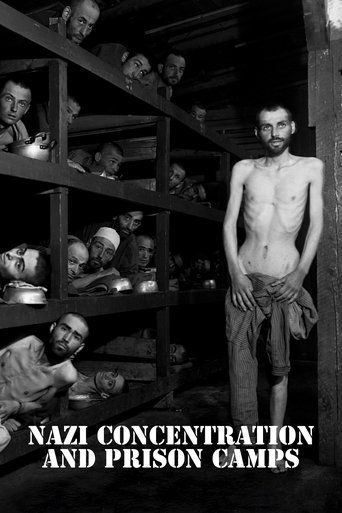
George Stevens was one of Hollywood's most respected directors, known for his meticulous craftsmanship and ability to handle diverse genres with exceptional skill. He began his career as a cinematographer in the 1920s, working on numerous Hal Roach comedies before transitioning to directing in the 1930s. Stevens directed some of Hollywood's most beloved films, including 'Swing Time' (1936), 'Gunga Din' (1939), 'The More the Merrier' (1943), 'A Place in the Sun' (1951), 'Shane' (1953), 'Giant' (1956), and 'The Diary of Anne Frank' (1959). During WWII, he headed the U.S. Army Signal Corps unit that filmed the D-Day invasion and the liberation of Nazi concentration camps, footage that became part of the documentary 'Nazi Concentration Camps' (1945). His films often explored themes of morality, justice, and the human condition with exceptional visual artistry and emotional depth. Stevens won Academy Awards for Best Director for 'A Place in the Sun' and 'Giant,' cementing his legacy as one of cinema's great auteurs who could seamlessly move between comedy, drama, and epic storytelling.
The Craft
Behind the Camera
George Stevens was known for his meticulous attention to detail, patient pacing, and ability to extract nuanced performances from actors. His directing style emphasized visual composition and emotional storytelling, often using long takes and carefully choreographed scenes to build dramatic tension. Stevens had a remarkable gift for handling diverse genres, from sophisticated comedies to sweeping epics, always maintaining a focus on character development and moral complexity. He was particularly noted for his use of natural lighting and location shooting, which gave his films a realistic and immersive quality. His post-WWII work showed a darker, more serious tone, reflecting his experiences documenting the Holocaust.
Milestones
- Transitioned from cinematographer to director in the 1930s
- Directed the classic comedy 'The More the Merrier' (1943)
- Headed U.S. Army Signal Corps unit filming WWII and concentration camps
- Won Academy Awards for 'A Place in the Sun' (1951) and 'Giant' (1956)
- Directed the Western masterpiece 'Shane' (1953)
- Founded George Stevens Productions
- Served as President of the Directors Guild of America (1960-1963)
Best Known For
Must-See Films
Accolades
Won
- Academy Award for Best Director for 'A Place in the Sun' (1951)
- Academy Award for Best Director for 'Giant' (1956)
- Golden Globe for Best Director for 'Giant' (1956)
- New York Film Critics Circle Award for Best Director for 'A Place in the Sun' (1951)
- Directors Guild of America Award for Outstanding Directorial Achievement for 'Giant' (1956)
Nominated
- Academy Award nomination for Best Director for 'The More the Merrier' (1943)
- Academy Award nomination for Best Director for 'Shane' (1953)
- Academy Award nomination for Best Director for 'The Diary of Anne Frank' (1959)
- Academy Award nomination for Best Picture for 'Giant' (1956)
- Directors Guild of America Award nomination for 'A Place in the Sun' (1951)
- Directors Guild of America Award nomination for 'Shane' (1953)
- Directors Guild of America Award nomination for 'The Diary of Anne Frank' (1959)
Special Recognition
- Hollywood Walk of Fame star at 6221 Hollywood Blvd
- AFI Life Achievement Award (1975)
- D.W. Griffith Award from Directors Guild of America (1975)
- National Board of Review Award for Best Director for 'Giant' (1956)
- Kennedy Center Honors (posthumous, 1976)
Working Relationships
Worked Often With
Studios
Why They Matter
Impact on Culture
George Stevens significantly impacted American cinema through his diverse filmography that spanned multiple genres and eras. His work during WWII, particularly documenting the Nazi concentration camps, provided crucial historical evidence that shaped public understanding of the Holocaust. Stevens' films often addressed complex social and moral issues, from class struggles in 'A Place in the Sun' to racial tensions in 'Giant,' helping to push Hollywood toward more sophisticated and socially conscious storytelling. His visual innovations, particularly his use of color in 'Giant' and his mastery of widescreen formats, influenced generations of cinematographers and directors. Through his presidency of the Directors Guild and his son's founding of AFI, Stevens' influence extended beyond his own films to shape the future of American cinema education and preservation.
Lasting Legacy
George Stevens left an enduring legacy as one of Hollywood's most versatile and accomplished directors. His films continue to be studied in film schools for their technical mastery, emotional depth, and thematic complexity. The George Stevens Award at the Directors Guild of America honors excellence in directing, perpetuating his commitment to the craft. His WWII documentary footage remains some of the most important historical documentation of the Holocaust. Stevens' ability to work across genres—from sophisticated comedies to epic Westerns to intimate dramas—demonstrated the range and depth of American cinema at its peak. His influence can be seen in the work of directors who followed, particularly those who blend visual artistry with humanistic storytelling. The preservation and restoration of his films continue to introduce new generations to his unique cinematic vision.
Who They Inspired
Stevens influenced numerous directors through his emphasis on visual composition and character-driven storytelling. His work with actors, particularly his ability to draw nuanced performances, became a model for directors seeking emotional authenticity. His technical innovations in color cinematography and widescreen composition influenced the visual language of cinema. Directors like Steven Spielberg, Martin Scorsese, and George Lucas have cited Stevens as an influence, particularly his ability to blend spectacle with intimate human drama. His son, George Stevens Jr., carried forward his legacy through the American Film Institute, influencing countless filmmakers. Stevens' documentary work also established a precedent for filmmakers using their craft to bear witness to historical events and social injustice.
Off Screen
George Stevens married twice during his lifetime. His first marriage was to Yolande Maffei in 1930, which ended in divorce in 1947. He later married Elizabeth Van Ryn in 1948, with whom he remained until his death. Stevens had two children: a son, George Stevens Jr., who became a successful film producer and director, and a daughter, Caroline Stevens. His son George Stevens Jr. Would go on to found the American Film Institute and serve as its first director. Stevens was known for being a private person who rarely discussed his personal life in public, preferring to let his work speak for itself.
Education
Attended Oakland Technical High School, largely self-taught in filmmaking through practical experience in the industry
Family
- Yolande Maffei (1930-1947)
- Elizabeth Van Ryn (1948-1975)
Did You Know?
- He was one of the first directors to film in color for 'Giant' (1956), using the new CinemaScope and WarnerColor processes
- His WWII footage of concentration camps was used as evidence in the Nuremberg Trials
- He turned down directing 'The Bridge on the River Kwai' (1957) to work on 'The Diary of Anne Frank'
- James Dean completed all his scenes for 'Giant' before his death, with Stevens using innovative editing techniques
- He was a close friend of director Frank Capra, with whom he served during WWII
- Stevens was known for shooting many more takes than necessary, often exhausting his actors
- He was one of the founding members of the National Film Preservation Board
- His film 'Shane' was selected for preservation in the National Film Registry in 1993
- He was a member of the original board of governors for the Academy of Motion Picture Arts and Sciences
- Stevens was known for his perfectionism, sometimes spending months on a single scene
In Their Own Words
I've always believed that a picture should be an experience, not just a story told.
The camera is the director's pencil. You have to know how to draw with it.
In comedy, timing is everything. In drama, emotion is everything. In life, both are everything.
When I saw those concentration camps, I knew I could never make another film that wasn't about something important.
A director must be a psychologist, a diplomat, a technician, and an artist—all at once.
The best films are those that make you feel something long after you've left the theater.
Frequently Asked Questions
Who was George Stevens?
Renowned American on YTB.my.' He won two Academy Awards for Best Director and was celebrated for his versatility across genres, from comedies to epic dramas.
What films is George Stevens best known for?
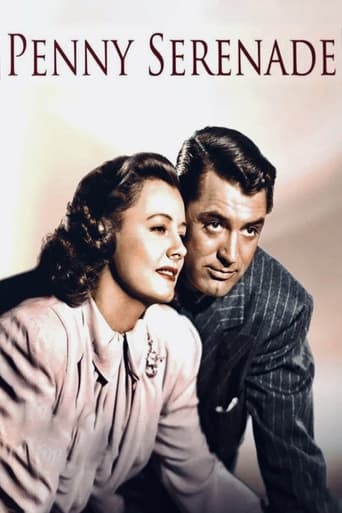
Titles linked here include Penny Serenade (1941), A Place in the Sun (1951).
When was George Stevens born and when did he die?
Born December 18, 1904; died March 8, 1975.
What awards did George Stevens win?
Stevens won two Academy Awards for Best Director ('A Place in the Sun' and 'Giant'), a Golden Globe for 'Giant,' and received the AFI Life Achievement Award. He also earned multiple DGA Awards and New York Film Critics Circle honors.
What was George Stevens's directing style?
Stevens was known for his meticulous craftsmanship, patient pacing, and visual artistry. He excelled at character development, used natural lighting effectively, and could seamlessly move between comedy and drama while maintaining emotional depth.
Did George Stevens serve in World War II?
Yes, Stevens headed the U.S. Army Signal Corps unit that filmed D-Day and the liberation of Nazi concentration camps. His footage became crucial historical evidence and profoundly influenced his post-war filmmaking.
What was George Stevens's connection to the American Film Institute?
His son, George Stevens Jr., founded the American Film Institute in 1967 and served as its first director, continuing the family's commitment to film preservation and education.