
Nazi Concentration Camps
"Evidence and ruin"
Keys: Space play/pause · ←/→ 10s · F fullscreen · M mute · </> speed
About this film
Produced and presented as evidence at the Nuremberg war crimes trial of Hermann Göring and twenty other Nazi leaders, consists primarily of dead and surviving prisoners and of facilities used to kill and torture during the World War II.
Cast & crew
More Documentary films
View all →
More from George Stevens
View all →
More about this film
About the production
Release dateNovember 29, 1945
ProductionU.S. Army Signal Corps, Office of War Information
Filmed inBuchenwald Concentration Camp (Germany), Dachau Concentration Camp (Germany), Nordhausen Concentration Camp (Germany), Ohrdruf Concentration Camp (Germany), Mauthausen Concentration Camp (Austria)
The film was compiled from footage shot by multiple Army units during the liberation of concentration camps in April 1945. George Stevens, serving as a lieutenant colonel in the U.S. Army Signal Corps, supervised the compilation and editing of this footage. The production was rushed to completion for use as evidence at the upcoming Nuremberg trials. Multiple camera units from different divisions contributed footage, creating a comprehensive documentation of the camps. The filmmakers faced enormous psychological challenges while editing the graphic material, with many requiring counseling after exposure to the horrific content.
Themes
Holocaust documentationWar crimes evidenceHuman capacity for crueltyMilitary responsibility to document atrocitiesThe importance of bearing witness
Themes & topics
concentration campsHolocaustNuremberg Trialsdocumentary evidenceWorld War IIliberationwar crimesgenocidemilitary documentaryhistorical documentation
Historical background
Made in its country of production around 1945, Nazi Concentration Camps belongs to World War II-era screens. Its story of produced and presented as evidence at the nuremberg war crimes trial of hermann göring and twenty other nazi leaders, consists primarily of dead and surviving prisoners and of facilities used to kill and torture during the world war ii spoke to audiences of the day through familiar genres and topical settings.
Why this film matters
Archivists and historians still cite Nazi Concentration Camps when tracing how World War II-era screens filmmakers staged produced and presented on screen.
Making of
The making of 'Nazi Concentration Camps' was unlike any other film production in history. George Stevens, already an acclaimed Hollywood director known for films like 'Woman of the Year' and 'The Talk of the Town,' was commissioned as a lieutenant colonel in the U.S. Army Signal Corps. His unit, which included other Hollywood professionals like screenwriter Irwin Shaw and cinematographer William Mellor, was tasked with documenting the European campaign. When the concentration camps were liberated in April 1945, Stevens' unit was among the first to arrive with cameras. The footage they captured was so shocking that Stevens reportedly had to stop filming multiple times due to the overwhelming horror. The editing process was conducted under extreme security at the Pentagon, with Stevens working around the clock to compile the most damning evidence possible. The military provided unlimited resources but imposed strict deadlines to ensure the film would be ready for the Nuremberg Trials. Many of the filmmakers suffered from what we now recognize as PTSD, with some never returning to Hollywood after the war.
What critics said
Reviews from 1945 weighed Nazi Concentration Camps on pacing, performance, and novelty. Later criticism reads its emphasis on produced, presented, evidence through modern standards of craft and representation.
Did you know?
- George Stevens was serving as a lieutenant colonel in the U.S. Army Signal Corps when he supervised this documentary, having already established himself as a successful Hollywood director before the war.
- The film was specifically commissioned by the U.S. government to serve as prosecutorial evidence at the Nuremberg Trials, making it one of the few films created primarily for legal proceedings.
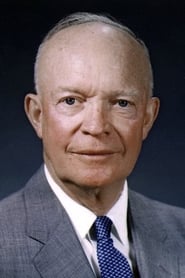
- General Dwight D. Eisenhower ordered extensive documentation of the camps, insisting on filming everything because he anticipated that future generations might not believe the atrocities occurred.
- The original footage was shot by multiple Army units using various camera equipment, resulting in inconsistent quality that was standardized during the editing process.
- The film was shown not only at Nuremberg but also to German citizens in occupied territories as part of denazification efforts.
- Jack Taylor, listed in the cast, was actually Major Jack Taylor of the U.S. Army, who appears in the film conducting inspections.
- The documentary was initially classified by the U.S. military and only released for public viewing after the Nuremberg Trials concluded.
- Stevens later said that making 'changed me forever' and influenced his decision to direct more serious, dramatic films after the war.
- The film contains some of the earliest color footage of concentration camps, shot by Stevens' unit using rare color film stock.
- Multiple versions of the film exist, with different edits produced for various purposes including military training, legal evidence, and public education.
Awards & recognition
- Academy Award for Best Documentary Short Subject (1946)
- Special Citation from the National Board of Review (1946)
Visual style
The cinematography of 'Nazi Concentration Camps' is notable for its raw, unpolished quality that enhances its authenticity as evidence. Shot on various formats including 35mm and 16mm film by multiple Army camera units, the footage has a gritty, documentary style that avoids any artistic embellishment. Stevens and his team deliberately maintained a detached, observational approach, using wide shots to establish the scale of the camps and close-ups to document individual suffering without exploitation. The black-and-white photography emphasizes the stark reality of the scenes, while rare color footage segments provide an even more vivid and disturbing sense of presence. The camera work is steady and methodical, reflecting the military precision of the documentation process. Notable techniques include slow pans across mass graves, static shots of crematoria, and tracking shots through barracks that create an immersive experience of the camps' horrific conditions.
Innovations
The film pioneered several technical approaches to documentary filmmaking that would become standard practice. It was among the first documentaries to systematically use multiple camera units to document historical events as they unfolded. The film's editing techniques, particularly the sequencing of different camp footage to establish patterns of abuse, became a model for evidentiary documentaries. Stevens' team developed new methods for preserving and organizing large quantities of raw footage under field conditions. The film also represents an early example of using film for legal documentation, establishing protocols for chain of custody and authentication of documentary evidence. The technical team overcame enormous challenges including damaged equipment, extreme weather conditions, and the psychological toll of filming in such horrific environments.
Music
The film uses minimal music, relying primarily on ambient sound recorded on location and sparse narration. When music is used, it consists of somber, classical pieces that underscore the gravity of the images without overwhelming them. The sound design emphasizes natural sounds: wind whistling through barbed wire, the shuffling feet of survivors, the silence of abandoned gas chambers. The narration, delivered in a matter-of-fact military style, provides context without emotional manipulation. This restrained approach to sound was deliberate, designed to present the footage as objective evidence rather than emotional propaganda. The film's audio presentation was revolutionary for its time in using location sound to enhance documentary authenticity.
Famous quotes
These sights have made a deep impression on me. I have never at any other time experienced an equal sense of shock. - General Dwight D. Eisenhower (in the film)
We are told that the American soldier does not know what he is fighting for. Now you see what he is fighting against. - Narration
The evidence you have seen is not propaganda. It is the truth. - Prosecutor at Nuremberg (referencing the film)
I made because I never wanted anyone to be able to say this didn't happen. - George Stevens (later interview)
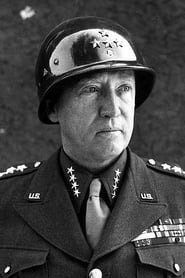
The things I saw beggar description. I saw bodies stacked up like cordwood. - General Patton (referenced in the film)
Memorable scenes
- The opening sequence showing the first American soldiers entering Buchenwald, their expressions changing from military readiness to horrified disbelief as they encounter the reality of the camp.
- General Eisenhower's tour of Ohrdruf camp, where he is shown systematically documenting every aspect of the atrocities, insisting that his commanders also witness the evidence.
- The footage of liberated prisoners, their skeletal bodies and vacant eyes providing undeniable human testimony to the suffering they endured.
- The systematic documentation of gas chambers and crematoria, showing the industrial efficiency of the Nazi killing machine.
- The final montage combining footage from multiple camps, establishing the pattern of systematic abuse across the entire concentration camp system.
What audiences thought
The film's initial audience reception was complex and varied. When shown at Nuremberg, it reportedly caused several defendants to become physically ill, with Hermann Göring attempting to look away from the screen. German citizens forced to watch the film during denazification programs often reacted with disbelief, denial, or genuine shock. American audiences who saw the film in theaters reported being deeply disturbed, with many leaving screenings unable to speak. The film was so powerful that some theaters offered counseling services afterward. Over time, as the film became part of Holocaust education programs, student audiences have consistently reported that the visual evidence made the historical reality of the Holocaust more immediate and comprehensible than written accounts alone. The film continues to be shown in museums and educational settings, where it remains profoundly affecting for contemporary viewers.
Film connections
Influenced by
- Why We Fight series (Frank Capra)
- German wartime newsreels
- Army Signal Corps training films
- Leni Riefenstahl's propaganda films (as counterpoint)
This film influenced
- Night and Fog
- Shoah
- The Sorrow and the Pity
- The World at War
- Holocaust documentary series
- Schindler's List (documentary elements)
- The Last Days
- Memory of the Camps
Film restoration
The film has been preserved by the National Archives and Records Administration and the United States Holocaust Memorial Museum. Original camera negatives and multiple prints have been maintained in climate-controlled facilities. The film was digitally restored in 2008 by the Academy Film Archive as part of their documentary preservation program. The restored version includes previously unseen footage and improved audio quality. The film remains part of the permanent collection of the Library of Congress and was selected for preservation in the National Film Registry in 2017 for its cultural, historical, and aesthetic significance.
Where to watch
- United States Holocaust Memorial Museum website
- National Archives online catalog
- YouTube (official upload by US National Archives)
- Kanopy streaming service (educational institutions)
- The Criterion Channel (special collections)
- Museum of Tolerance archives
- Academic film databases
- Public domain archives