Dwight D. Eisenhower
Actor
Born: October 14, 1890 in Denison, Texas, USA Died: March 28, 1969 Active: 1945-1945 (film appearances) Birth Name: Dwight David Eisenhower
Films
2 films
About Dwight D. Eisenhower
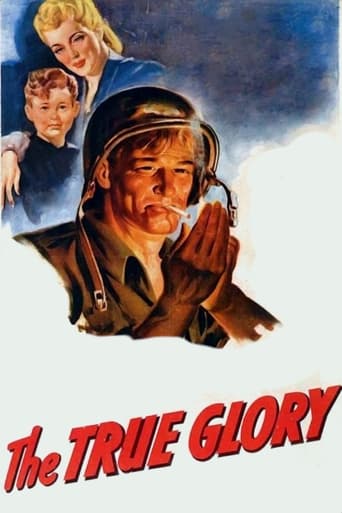
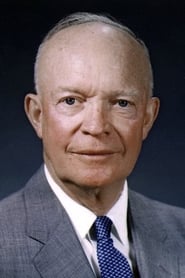
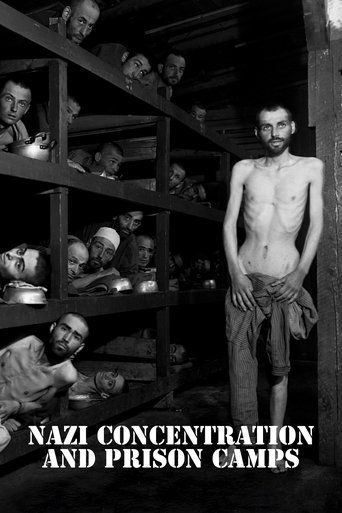
Dwight David Eisenhower was born in 1890 in Denison, Texas, and grew up in Abilene, Kansas, where he developed the values that would guide his remarkable career. A graduate of West Point Military Academy, he rose through the Army ranks to become Supreme Allied Commander in Europe during World War II, orchestrating the D-Day invasion and ultimately accepting Germany's surrender. His appearances in documentary films like 'The True Glory' (1945) and 'Nazi Concentration Camps' (1945) were as himself in archival footage, documenting the Allied victory and liberation of concentration camps. After the war, he served as Army Chief of Staff and president of Columbia University before being elected the 34th President of the United States in 1952, serving two terms until 1961. Eisenhower's military leadership and presidency defined an era, though his film appearances were limited to documentary footage of historical events he shaped. He passed away in 1969, leaving a legacy as one of America's most respected military and political leaders.
The Craft
On Screen
Not applicable - appeared as himself in documentary footage
Milestones
- Supreme Allied Commander in Europe during WWII
- Accepted Germany's surrender in 1945
- Served as U.S. Army Chief of Staff (1945-1948)
- President of Columbia University (1948-1953)
- 34th President of the United States (1953-1961)
- Appeared in documentary films about WWII
Best Known For
Iconic Roles
Must-See Films
Accolades
Won
- Congressional Medal of Freedom
- Service Medal (5 awards)
- Silver Star
- Legion of Merit
- Bronze Star
- Victory Medal
- European-African-Middle Eastern Campaign Medal
Nominated
- Nobel Peace Prize nomination (1956)
Special Recognition
- Five-Star General rank
- Eisenhower Memorial in Washington D.C.
- Numerous schools, buildings, and institutions named in his honor
Working Relationships
Worked Often With
Why They Matter
Impact on Culture
Eisenhower's appearances in WWII documentaries helped preserve the historical record of Allied victory and Nazi atrocities for future generations. His presence in these films lent authenticity and gravitas to the documentation of one of history's most significant periods. The footage of Eisenhower accepting Germany's surrender became well-known imagery representing the end of the war in Europe. His documented visits to concentration camps provided powerful evidence that helped establish the historical record of the Holocaust. These film appearances, though brief, contributed to post-war understanding and remembrance of WWII events.
Lasting Legacy
Eisenhower's film legacy is intrinsically tied to his historical significance as the military leader who helped defeat Nazi Germany. While not a professional actor, his documentary appearances provide invaluable historical documentation of WWII's conclusion. His presence in films about concentration camps helped ensure the world would never forget the atrocities discovered by Allied forces. The footage of Eisenhower during this period has become essential historical material used in countless documentaries and educational programs about WWII. His film appearances, though limited to archival footage, represent an important intersection between cinema and historical documentation.
Who They Inspired
Eisenhower's documented leadership in WWII films influenced how military leadership was portrayed in subsequent war documentaries. His dignified presence and authoritative demeanor set a standard for how military leaders should appear in historical documentation. The footage of his wartime leadership has been studied by military historians and filmmakers alike for its historical significance and visual impact. His appearances in these early documentaries helped establish the importance of preserving military history through film, influencing future documentary filmmaking approaches to historical events.
Off Screen
Eisenhower married Mamie Geneva Doud in 1916, and they remained married until his death in 1969. Their first son, Doud Dwight, died of scarlet fever at age three in 1921, which deeply affected both parents. Their second son, John Sheldon Doud Eisenhower, followed in his father's footsteps, graduating from West Point and serving as a U.S. Army officer and diplomat. Eisenhower was known for his love of golf, cooking, and oil painting during his leisure time. He maintained strong family values throughout his military and political career, often emphasizing the importance of family in his speeches and writings.
Education
Abilene High School, United States Military Academy at West Point (Class of 1915), Command and General Staff College, Army War College
Family
- Mamie Geneva Doud (1916-1969)
Did You Know?
- Was the only U.S. President to serve in both World Wars
- His nickname 'Ike' was given to him in childhood and used throughout his life
- He was an accomplished golfer who played over 800 rounds during his presidency
- Eisenhower was the first president to appear on color television
- He authorized the creation of NASA in 1958
- His favorite food was beef stew, which he could cook himself
- He was an avid bridge player and often played with his cabinet members
- Eisenhower was the first president to appear on a U.S. Coin while still alive (1971 dollar coin)
- He established the Interstate Highway System, the largest public works project in U.S. History
- His presidential library is in Abilene, Kansas, his boyhood home
In Their Own Words
'Leadership is the art of getting someone else to do something you want done because he wants to do it.'
'Plans are nothing; planning is everything.'
'Neither a wise man nor a brave man lies down on the tracks of history to wait for the train of the future to run over him.'
'In preparing for battle I have always found that plans are useless, but planning is indispensable.'
'History does not long entrust the care of freedom to the weak or the timid.'
Frequently Asked Questions
Who was Dwight D. Eisenhower?
Dwight D. Eisenhower was the 34th President of the United States and a five-star general who served as Supreme Allied Commander in Europe during World War II. Though not a professional actor, he appeared in documentary films like 'The True Glory' (1945) and 'Nazi Concentration Camps' (1945) as himself, documenting the Allied victory and liberation of concentration camps.
What films is Dwight D. Eisenhower best known for?
Titles linked here include The True Glory (1945), Nazi Concentration Camps (1945).
When was Dwight D. Eisenhower born and when did he die?
Born October 14, 1890; died March 28, 1969.
What awards did Dwight D. Eisenhower win?
Eisenhower received numerous military awards including five Service Medals, the Silver Star, Legion of Merit, and Bronze Star. He was also awarded the Congressional Medal of Freedom and achieved the rare five-star general rank. He was nominated for the Nobel Peace Prize in 1956 for his efforts in international diplomacy.
What was Dwight D. Eisenhower's role in the films he appeared in?
Eisenhower appeared as himself in documentary footage, not as a professional actor. In 'The True Glory' (1945), he appears as Supreme Allied Commander accepting Germany's surrender, while in 'Nazi Concentration Camps' (1945), he's shown visiting liberated concentration camps to document the atrocities discovered by Allied forces.
How did Dwight D. Eisenhower influence cinema?
While not a filmmaker or actor, Eisenhower's documented appearances in WWII documentaries helped establish standards for historical documentation on film. His presence lent authenticity to wartime footage and influenced how military leadership was portrayed in subsequent documentaries. The archival footage of his wartime activities has become essential material for countless historical films and documentaries about World War II.