

The True Glory
"Shot and 1400"
Keys: Space play/pause · ←/→ 10s · F fullscreen · M mute · </> speed
About this film
A documentary account of the allied invasion of Europe during World War II compiled from the footage shot by nearly 1400 cameramen. It opens as the assembled allied forces plan and train for the D-Day invasion at bases in Great Britain and covers all the major events of the war in Europe from the Normandy landings to the fall of Berlin.
Cast & crew
More films like this
More Documentary films
View all →
More about this film
About the production
Release dateNovember 2, 1945 (United States)
Box officeNot applicable - government documentary with commercial distribution
ProductionU.S. Office of War Information, British Ministry of Information, Supreme Headquarters Allied Expeditionary Force
Filmed inUnited Kingdom, France, Belgium, Netherlands, Germany, Various combat zones across Western Europe
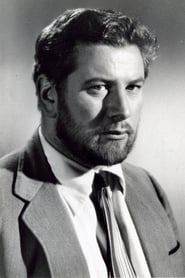
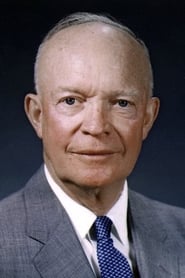
This was a joint Anglo-American production created under the auspices of SHAEF (Supreme Headquarters Allied Expeditionary Force). The film utilized footage from 1,400 different combat cameramen from various Allied nations, making it. The production team had to sort through over 10 million feet of combat footage to select the most impactful sequences. The film was narrated by actor Peter Ustinov in the British version and by General Dwight D. Eisenhower in the American version, with different narration scripts for each audience. The production faced significant challenges in coordinating between multiple military and government agencies across different countries while the war was still ongoing.
Themes
The moral necessity of fighting tyranny and oppressionInternational cooperation and alliance in pursuit of common goalsThe human cost of war and the sacrifices required for victoryThe contrast between military strategy and individual human experiencesThe liberation of oppressed peoples as a fundamental war aim
Themes & topics
World War IID-DayNormandy invasionAllied forcesCombat footageLiberationMilitary strategyWar documentaryHistorical recordSacrificeVictoryEuropean theaterBattle of the BulgeConcentration campsBerlinSurrender
Historical background
Contemporary records classify The True Glory (1945) as 1945 film by carol reed, garson kanin, placing it within World War II and immediate postwar filmmaking.
Why this film matters
The True Glory (1945) helps trace genre evolution, performer careers, and the material conditions of sound exhibition.
Making of
The making of 'The True Glory' was itself a monumental undertaking that began while World War II was still raging across Europe. The project was initiated by the U.S. Office of War Information and the British Ministry of Information as a way to document and preserve the historical record of the Allied liberation of Europe. Director Garson Kanin, serving as a Major in the U.S. Army Signal Corps, worked alongside British filmmaker Carol Reed to supervise the massive undertaking of collecting and organizing combat footage from multiple Allied nations. The production team established a special film unit in London where they received daily shipments of raw footage from the front lines. They had to work under extreme pressure to process, catalog, and select the most impactful sequences while maintaining military security protocols. The editing process was particularly challenging as the filmmakers had to construct a coherent narrative from footage shot by hundreds of different cameramen with varying levels of experience and equipment quality. The narration was written by celebrated authors including Eric Ambler and Peter Viertel, with different versions created for British and American audiences. General Eisenhower took a personal interest in the project, viewing rough cuts and providing input to ensure the film accurately represented the Allied effort and the sacrifices of the soldiers.
What critics said
Where contemporary reviews survive, The True Glory is discussed in terms of audience appeal at release; later criticism often reframes it through archive restoration and festival programming.
Did you know?
- The film won the Academy Award for Best Documentary Feature at the 18th Academy Awards in 1946
- The title 'The True Glory' comes from a letter by Sir Walter Raleigh: 'But it is a true glory to be steadfast to the Crown'
- Over 1,400 combat cameramen from the U.S., British, Canadian, French, and other Allied forces contributed footage
- The production team reviewed more than 10 million feet of combat film to create the final 83-minute documentary
- General Dwight D. Eisenhower personally approved the final cut of the film and provided narration for the American version
- The film was shown to troops in Europe before its civilian release to boost morale
- Director Garson Kanin was a Major in the U.S. Army Signal Corps during the war and helped oversee combat photography units
- The British version featured narration by Peter Ustinov, while the American version had different narration by General Eisenhower
- The film was one of the first to show footage of concentration camps to Western audiences
- The production was supervised by famed documentary filmmaker Carol Reed, though Garson Kanin received the director credit
Awards & recognition
- Academy Award for Best Documentary Feature (1946)
- New York Film Critics Circle Award for Best Documentary (1945)
Visual style
The cinematography of The True Glory is remarkable for its diversity and authenticity, representing the collective work of approximately 1,400 combat cameramen from multiple Allied nations. The visual style ranges from shaky handheld footage shot under fire to carefully composed sequences filmed by professional military photographers. The film showcases a variety of camera techniques and equipment used during WWII, including handheld 35mm cameras, gun-mounted cameras on aircraft and tanks, and hidden cameras used for clandestine operations. The cinematography captures the full spectrum of combat experiences, from the vast scale of the D-Day invasion with thousands of ships and aircraft to intimate moments of soldiers in foxholes and civilians liberated from occupation. The visual narrative employs effective contrast between peaceful pre-invasion preparations and the chaos of battle, between the mechanical precision of military operations and the human faces of war. The filmmakers made skillful use of available light and natural conditions, creating images that are both documentary records and powerful artistic statements. The color sequences, though limited, provide striking visual punctuation to the predominantly black and white footage. The cinematography achieves the difficult balance of being both technically impressive and emotionally resonant, serving the film's dual purpose as historical document and human drama.
Innovations
The True Glory represents several significant technical achievements in documentary filmmaking, particularly for its time. The most impressive technical accomplishment was the successful integration of footage from over 1,400 different cameras and cameramen, creating a coherent visual narrative from an unprecedented variety of sources. The production team developed innovative methods for cataloging, reviewing, and selecting from more than 10 million feet of raw footage, a massive undertaking that required new approaches to film management and editing. The film showcases various technical innovations in combat photography developed during WWII, including improved handheld cameras that could operate in extreme conditions, gun-mounted cameras that captured unique perspectives of combat, and specialized equipment for aerial and underwater photography. The synchronization of multiple camera angles to show complex operations like the D-Day landings demonstrated sophisticated editing techniques that were ahead of their time. The film's preservation of rare color footage from the war period represents an important technical and historical achievement, as color film was scarce and expensive during wartime. The documentary also pioneered techniques for combining footage from different film stocks and shooting conditions into a seamless visual narrative, maintaining visual consistency despite the diverse sources. These technical innovations not only made The True Glory possible but also influenced subsequent documentary and historical filmmaking.
Music
The musical score for The True Glory was composed by William Alwyn, one of Britain's most prominent film composers of the era. Alwyn's music provides a powerful emotional counterpoint to the visual imagery, enhancing the documentary's impact without overwhelming the authentic footage. The score combines martial themes that reflect the military nature of the operations with more poignant passages that underscore the human cost of war. Alwyn employed a full orchestra to create music that ranges from triumphant and heroic to somber and reflective, following the emotional arc of the Allied campaign from invasion to victory. The soundtrack also incorporates period-appropriate songs and military music that help establish the historical context of different scenes. The sound design is particularly noteworthy for its use of actual combat audio recorded on location, creating an immersive experience that puts viewers directly into the action scenes. The narration, whether delivered by General Eisenhower in the American version or Peter Ustinov in the British version, is carefully balanced with the music and sound effects to create a cohesive audio-visual experience. The soundtrack's effectiveness lies in its ability to enhance the emotional impact of the documentary while maintaining respect for the authenticity of the visual material.
Famous quotes
This is the true glory of these men, that they died for freedom.. And lived for victory.
From the beaches of Normandy to the heart of Germany, we fought together as one.
The price of freedom is never cheap, but its value is beyond measure.
We came not as conquerors, but as liberators.
In the darkest hour of tyranny, the light of freedom prevailed.
Memorable scenes
- The opening sequence showing the massive buildup of Allied forces in Britain, with endless convoys of troops and equipment preparing for the invasion
- The D-Day landing footage showing soldiers struggling through the surf on Omaha Beach under enemy fire
- The liberation of Paris with jubilant crowds welcoming Allied troops
- The discovery of concentration camps, showing the first footage that revealed the full horror of the Holocaust to Western audiences
- The final scenes in Berlin with the raising of Allied flags over defeated Germany
- The emotional reunions between liberated civilians and Allied soldiers
- The crossing of the Rhine River with massive airborne and amphibious operations
What audiences thought
Contemporary audience reception to The True Glory was overwhelmingly positive, particularly among veterans and their families who recognized the authenticity of the footage and the accuracy of the portrayal. The film resonated deeply with audiences in 1945 who had lived through the war and had personal connections to the events depicted. Many viewers reported being deeply moved by seeing actual combat footage rather than Hollywood's version of war, with some theaters reporting that audiences sat in stunned silence during screenings. The film was particularly popular in Britain and the United States, where it played to packed houses in major cities. Veterans' organizations praised the film for its respectful treatment of the soldiers' experiences and its comprehensive coverage of the Allied effort. In the years following its release, The True Glory became a staple in schools and military training institutions, where it was valued for its educational content and historical accuracy. Modern audiences encountering the film through archival screenings and home video continue to be impressed by its raw power and authenticity, with many noting that its impact remains undiminished despite the passage of decades and the proliferation of later war documentaries.
Film connections
Influenced by
- World War I documentary films that pioneered combat photography
- British documentary movement of the 1930s led by John Grierson
- Leni Riefenstahl's 'Triumph of the Will' (as a counterpoint)
- Frank Capra's 'Why We Fight' series
- Newsreel traditions of wartime reporting
This film influenced
- Victory at Sea (TV series)
- The World at War (TV series)
- Ken Burns' documentary series
- Saving Private Ryan (for its authentic combat sequences)
- Band of Brothers (TV series)
- Numerous subsequent WWII documentaries
Film restoration
The True Glory has been preserved by the Academy Film Archive and the National Archives and Records Administration. The film was selected for preservation in the United States National Film Registry in 2005 by the Library of Congress for being 'culturally, historically, or aesthetically significant.' The original negative and multiple positive prints exist in archival collections. The film has undergone restoration work to preserve both the visual and audio elements, including the different narration tracks for American and British versions. Digital transfers have been created for modern viewing platforms while maintaining the integrity of the original film elements. The preservation status is excellent, ensuring that this important historical document will remain accessible to future generations.
Where to watch
- Available on DVD from various classic film distributors
- Streaming on The Criterion Channel
- Available for viewing on YouTube through official archives
- Can be accessed through the National Archives website
- Available on some educational streaming platforms
- Occasionally screened at film festivals and special events
- Available through some public library systems