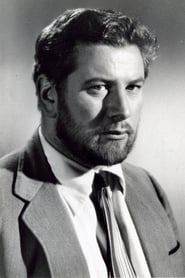
Peter Ustinov
Actor
Born: April 16, 1921 in London, England Died: March 28, 2004 Active: 1940-2004 Birth Name: Peter Alexander Ustinov
Films
1 film
About Peter Ustinov
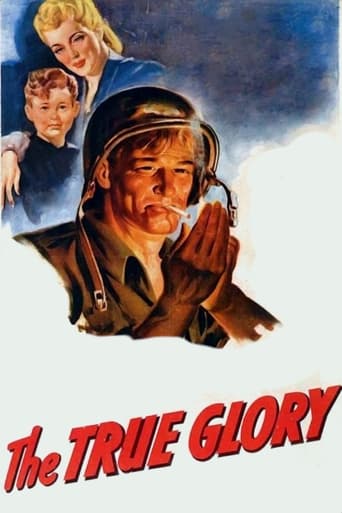
Peter Alexander Ustinov was born in London in 1921 to a Russian father and German mother, establishing his multicultural heritage from birth. He began his career as a playwright and actor in the 1940s, quickly gaining recognition for his extraordinary versatility and intellectual wit. Ustinov's breakthrough came with his performance in 'The True Glory' (1945), a documentary film about World War II, though his career would span far beyond this single year. He became accomplished character actors of his generation, known for his ability to master multiple accents and portray diverse characters with remarkable depth. His career encompassed not just acting but also writing novels, directing films, composing music, and serving as a UNICEF Goodwill Ambassador. Ustinov was knighted in 1990 for his services to the arts and humanitarian work, cementing his status as a national treasure. He continued performing almost until his death in 2004, leaving behind a legacy as one of Britain's most beloved and versatile entertainers, whose contributions to cinema, theater, and humanitarian causes continue to be celebrated worldwide.
The Craft
On Screen
Ustinov was renowned for his chameleon-like ability to transform into diverse characters, employing a masterful command of accents and dialects. His acting style combined intellectual sophistication with physical comedy, often portraying eccentric, intelligent characters with a twinkle in his eye. He approached each role with meticulous preparation, researching historical figures and cultural contexts to ensure authenticity. Ustinov's performances were characterized by his rich, resonant voice, impeccable timing, and the ability to convey complex emotions through subtle facial expressions and gestures. He particularly excelled at playing aristocratic or intellectual figures, bringing both gravitas and wit to his portrayals.
Milestones
- Won Academy Award for Best Supporting Actor for 'Spartacus' (1960)
- Won Academy Award for Best Supporting Actor for 'Topkapi' (1964)
- Wrote and starred in the play 'The Love of Four Colonels' (1951)
- Served as UNICEF Goodwill Ambassador from 1968 until his death
- Knighted by Queen Elizabeth II in 1990
- Directed and starred in 'Billy Budd' (1962)
- Created the character Hercule Poirot in several film adaptations
- Published numerous novels and memoirs
Best Known For
Iconic Roles
Must-See Films
Accolades
Won
- Academy Award for Best Supporting Actor (Spartacus, 1960)
- Academy Award for Best Supporting Actor (Topkapi, 1964)
- Golden Globe Award for Best Supporting Actor (Spartacus, 1960)
- Golden Globe Award for Best Supporting Actor (Topkapi, 1964)
- BAFTA Award for Most Promising Newcomer (1950)
- Emmy Award for Outstanding Single Performance (1958)
- Emmy Award for Informational Programming (1969)
- Grammy Award for Best Spoken Word Recording (1984)
Nominated
- Academy Award nomination for Best Adapted Screenplay (Billy Budd, 1962)
- Golden Globe nomination for Best Actor (Quo Vadis, 1951)
- BAFTA nomination for Best British Actor (1954)
- Tony Award nomination for Best Actor (1956)
- Emmy nomination for Outstanding Lead Actor (1975)
Special Recognition
- Knighted by Queen Elizabeth II (1990)
- Commander of the Order of the British Empire (CBE, 1975)
- UNICEF Goodwill Ambassador (1968-2004)
- Hollywood Walk of Fame star (1960)
- BAFTA Fellowship (1992)
- Honorary Doctorate from Oxford University
- Saturn Award for Life Achievement (1999)
- National Board of Review Award for Best Actor (1951)
Working Relationships
Worked Often With
Studios
Why They Matter
Impact on Culture
Peter Ustinov revolutionized the concept of the modern Renaissance man in entertainment, demonstrating that an artist could excel in multiple disciplines while maintaining social relevance. His portrayal of complex characters, particularly in historical epics, set new standards for character acting in cinema. Ustinov's work with UNICEF pioneered celebrity humanitarianism, showing how fame could be leveraged for global good. His multicultural background and polyglot abilities helped bridge cultural divides during the Cold War era, making him an unofficial cultural ambassador. Through his writings and public speaking, Ustinov contributed to intellectual discourse on art, politics, and human rights, elevating the role of the artist in society.
Lasting Legacy
Ustinov's legacy encompasses not only his impressive filmography but also his contributions to literature, theater, and humanitarian causes. He established a template for the intellectually engaged actor who uses their platform for social good. His performances in films like 'Spartacus' and 'Topkapi' remain benchmarks for supporting character work, while his portrayal of Hercule Poirot influenced generations of detective fiction adaptations. Ustinov's written works continue to be studied for their wit and insight into the human condition. His humanitarian legacy lives on through UNICEF's continued work, and his approach to celebrity activism has been emulated by countless performers who followed.
Who They Inspired
Ustinov influenced actors to pursue diverse artistic interests beyond performing, encouraging them to write, direct, and engage in social issues. His ability to seamlessly transition between comedy and drama demonstrated the value of versatility in an actor's career. Many contemporary character actors cite Ustinov's work as inspiration for their approach to supporting roles. His success as a polyglot performer opened doors for international actors in Hollywood. Ustinov's combination of intellectualism and entertainment value influenced how public figures engage with serious topics while maintaining accessibility.
Off Screen
Peter Ustinov was married three times and had four children, maintaining a rich family life alongside his prolific career. He was known for his humanitarian work and intellectual pursuits, speaking multiple languages fluently and engaging in global political discourse. Ustinov — passionate advocate for children's rights through his work with UNICEF, traveling extensively to raise awareness about children's issues worldwide. He was also an accomplished author, writing novels, memoirs, and plays that reflected his sharp wit and observational skills. Despite his international fame, Ustinov remained deeply connected to his British roots while embracing his multicultural heritage.
Education
Westminster School, London; Studied at the Royal Academy of Dramatic Art (RADA)
Family
- Isolde Denham (1940-1950)
- Suzanne Cloutier (1954-1971)
- Helene du Lau d'Allemans (1972-2004)
Did You Know?
- Spoke six languages fluently: English, French, German, Italian, Russian, and Spanish
- Was a descendant of the Russian composer Modest Mussorgsky
- Wrote his first play at age 14
- Served in the British Army during World War II as a private soldier
- Was offered the role of Professor Moriarty in 'The Private Life of Sherlock Holmes' but declined
- Appeared as a guest conductor with major orchestras including the New York Philharmonic
- Was a talented cartoonist and illustrator
- Once performed a one-man show in which he played 12 different characters
- Was a regular panelist on the British quiz show 'Face the Music'
- Received the International Rescue Committee's Freedom Award
In Their Own Words
I imagine that any of us who were a parent would give his life to save his child. But would we give our child's life to save a hundred strangers? That is the moral dilemma.
Comedy is simply a funny way of being serious.
The point of living and of being an optimist, is to be foolish enough to believe the best is yet to come.
Terrorism is the war of the poor, and war is the terrorism of the rich.
I am a citizen of the world. My home is everywhere. I am equally at home in New York, London, Paris, or Moscow.
Frequently Asked Questions
Who was Peter Ustinov?
British actor, ' He won two Academy Awards and was knighted for his contributions to the arts and humanitarian work with UNICEF.
What films is Peter Ustinov best known for?
Titles linked here include Spartacus (1960), Topkapi (1964).
When was Peter Ustinov born and when did he die?
Born April 16, 1921; died March 28, 2004.
What awards did Peter Ustinov win?
Ustinov won two Academy Awards for Best Supporting Actor ('Spartacus' and 'Topkapi'), multiple Golden Globe Awards, Emmy Awards, a Grammy Award, and was knighted by Queen Elizabeth II in 1990. He also received the BAFTA Fellowship and numerous other honors for his artistic and humanitarian contributions.
What was Peter Ustinov's acting style?
Ustinov was known for his chameleon-like ability to transform into diverse characters, employing a masterful command of accents and dialects. His style combined intellectual sophistication with physical comedy, often portraying eccentric, intelligent characters with remarkable wit and depth.
How did Peter Ustinov contribute to humanitarian work?
Ustinov served as a UNICEF Goodwill Ambassador from 1968 until his death in 2004, traveling extensively to raise awareness about children's issues worldwide. He used his celebrity status to advocate for children's rights and humanitarian causes, celebrity humanitarianism.
What languages did Peter Ustinov speak?
Ustinov — polyglot who spoke six languages fluently: English, French, German, Italian, Russian, and Spanish. His linguistic abilities contributed to his international appeal and effectiveness as a cultural ambassador.