Sam Levene
Actor
Born: August 28, 1897 in Minsk, Russian Empire (now Belarus) Died: December 28, 1980 Active: 1928-1970 Birth Name: Samuel Levine
Films
2 films
About Sam Levene
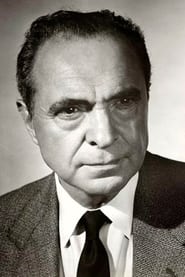
Prolific character actor of the Golden Age of Hollywood, born Samuel Levine on August 28, 1897, in Minsk, Russian Empire (now Belarus). He immigrated to the United States as a child and grew up in New York City's Lower East Side, where his distinctive New York accent and rapid-fire delivery would later become his trademark. Levene began his career in vaudeville and theater, making his Broadway debut in 1928 before transitioning to film in the early 1930s. Sam appears in over 50 films between 1936 and 1970, often playing fast-talking newspapermen, gangsters, or comic relief characters. His breakthrough role came in 1936's 'Three Men on a Horse,' which he also performed on Broadway. Levene was equally successful on stage, originating roles in several notable plays including 'The Front Page' and 'Guys and Dolls.' He continued acting steadily through the 1960s and made his final film appearance in 1970 before passing away in New York City on December 28, 1980.
The Craft
On Screen
Levene was known for his rapid-fire delivery, distinctive New York accent, and naturalistic comedic timing. He specialized in portraying fast-talking, streetwise characters with a blend of humor and toughness. His acting style was rooted in his theater background, bringing a stage presence to his film roles that made him stand out even in supporting parts. He had a unique ability to deliver exposition and dialogue-heavy scenes with remarkable speed and clarity.
Milestones
- Broadway debut in 'Wall Street' (1928)
- Breakthrough role in 'Three Men on a Horse' (1936)
- Originated role of Nathan Detroit in 'Guys and Dolls' on Broadway (1950)
- Memorable performance in 'The Killers' (1946)
- Starred in 'Golden Boy' (1939) with William Holden
- Appeared in 'Brute Force' (1947) with Burt Lancaster
Best Known For
Iconic Roles
Must-See Films
Accolades
Won
- Tony Award for Best Featured Actor in a Musical nomination for 'Guys and Dolls' (1951)
Nominated
- Tony Award nomination for 'Guys and Dolls' (1951)
- New York Drama Critics Award for 'Three Men on a Horse'
Special Recognition
- Hollywood Walk of Fame star (located at 6320 Hollywood Boulevard)
Working Relationships
Worked Often With
Studios
Why They Matter
Impact on Culture
Sam Levene significantly contributed to the development of the American character actor archetype, particularly the fast-talking New Yorker. His work helped bridge the gap between Broadway and Hollywood, demonstrating how stage actors could successfully transition to film. He was part of the generation that helped establish the character actor as a crucial element in Golden Age cinema, providing depth and authenticity to ensemble casts. His portrayal of Nathan Detroit in 'Guys and Dolls' became the definitive interpretation of the role, influencing countless subsequent performers.
Lasting Legacy
Sam Levene left an enduring legacy as one of Hollywood's most recognizable character actors. His distinctive voice and delivery style became a template for portraying New York characters in American cinema and theater. The role of Nathan Detroit in 'Guys and Dolls' remains his most significant theatrical legacy, with his interpretation setting the standard for future productions. His film work, particularly in film noir and crime dramas, continues to be studied for its authenticity and energy. Levene's career demonstrated the importance of character actors in creating memorable, fully-realized worlds in both theater and cinema.
Who They Inspired
Levene influenced generations of character actors with his distinctive rapid-fire delivery and authentic New York persona. His work in film noir helped establish the archetype of the fast-talking sidekick or informant. Many actors, including Walter Matthau and Jack Klugman, cited his timing and delivery as inspirational. His success in both theater and film paved the way for other character actors to maintain careers across both mediums. The authenticity he brought to his roles influenced how Hollywood approached casting for urban, working-class characters.
Off Screen
Sam Levene was married twice and had one child. He was known for his dedication to his craft and maintained a prolific career across both stage and screen. Despite his success, he remained grounded and was respected by colleagues for his professionalism and generosity. He was an active member of the Actors' Equity Association and supported various theatrical causes throughout his life.
Education
Public schools in New York City; self-taught through vaudeville and theater experience
Family
- Olga Blumenschein (1925-1935)
- Ida Cooper (1936-1980)
Did You Know?
- Was born Samuel Levine but changed his name to Sam Levene for professional use
- Began his career as a vaudeville performer and comedian
- Was one of the few actors to successfully originate a role on Broadway and then have someone else (Frank Sinatra) star in the film adaptation
- His distinctive New York accent was genuine, not affected for roles
- Served in the US Army during World War II
- Was a founding member of the Actors Studio
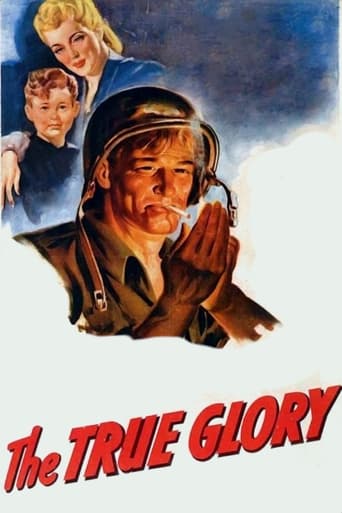
- Appeared in the documentary 'The True Glory' (1945) which won an Academy Award for Best Documentary
- His final film role was in 'The Out-of-Towners' (1970)
- Was known for his incredible memory and ability to learn lines quickly
- Often played characters who were older than his actual age due to his weathered appearance
In Their Own Words
In 'Guys and Dolls': 'One of these days I'm gonna call your bluff and then where will you be?' - as Nathan Detroit
On acting: 'The secret is to make it look easy. The harder you work, the easier it should look to the audience'
On his New York accent: 'I didn't have to learn it, I was born with it. It's the only accent I know'
On typecasting: 'If you're good at something, they want you to do it over and over. I'm not complaining'
Frequently Asked Questions
Who was Sam Levene?
Prolific American character with credits in this catalog. He appeared in over 50 films during Hollywood's Golden Age and originated the role of Nathan Detroit in the Broadway production of 'Guys and Dolls'.
What films is Sam Levene best known for?
Titles linked here include The Killers (1946), Golden Boy (1939).
When was Sam Levene born and when did he die?
Born August 28, 1897; died December 28, 1980.
What awards did Sam Levene win?
While Sam Levene didn't win major competitive awards, he received a Tony Award nomination for Best Featured Actor in a Musical for 'Guys and Dolls' in 1951 and was honored with a star on the Hollywood Walk of Fame.
What was Sam Levene's acting style?
Levene was known for his rapid-fire delivery, distinctive New York accent, and naturalistic comedic timing. He specialized in portraying fast-talking, streetwise characters with a blend of humor and authenticity that made him a memorable character actor.
Did Sam Levene serve in the military?
Yes, Sam Levene served in the US Army during World War II, which likely contributed to his involvement in the wartime documentary 'The True Glory' (1945).
What was Sam Levene's most famous theatrical role?
His most famous theatrical role was Nathan Detroit in the original Broadway production of 'Guys and Dolls' (1950), which became the definitive interpretation of the character and earned him a Tony Award nomination.