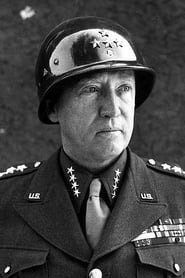
George S. Patton
Actor
Born: November 11, 1885 in San Gabriel, California, USA Died: December 21, 1945 Active: 1944-1945 (film appearances) Birth Name: George Smith Patton Jr.
Films
3 films
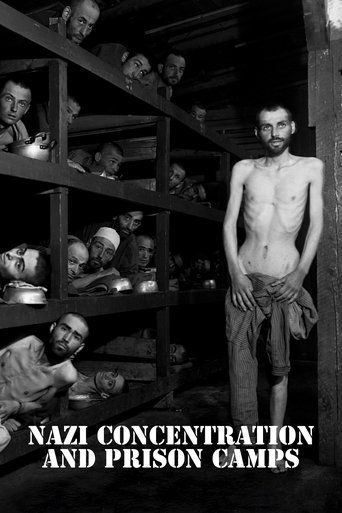
About George S. Patton
George Smith Patton Jr. Was one of America's most celebrated and controversial military commanders during World War II, not a professional actor by trade. Born into a wealthy California family with deep military roots, Patton attended West Point and served in World War I before becoming a key figure in the Allied victory in World War II. Known for his aggressive tactics, distinctive ivory-handled pistols, and colorful personality, he commanded the U.S. Seventh Army in the Mediterranean and Third Army in Europe. His appearance in the 1944-1945 documentary films was as himself, showcasing his role in the war effort rather than pursuing an acting career. Patton died tragically in December 1945 from injuries sustained in a car accident in Germany, just months after the war's end. His military achievements and larger-than-life persona have made him one of history's most recognizable military figures.
The Craft
Milestones
- Commanded U.S. Third Army across Europe
- Led the relief of Bastogne during Battle of the Bulge
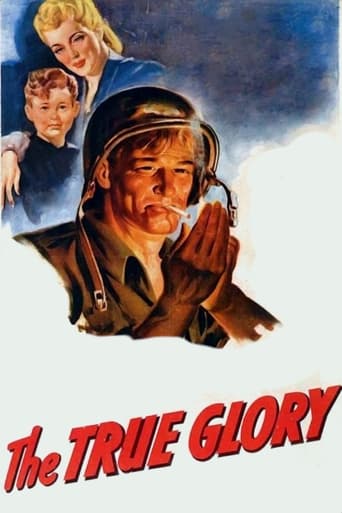
- Subject of Academy Award-winning documentary 'The True Glory'
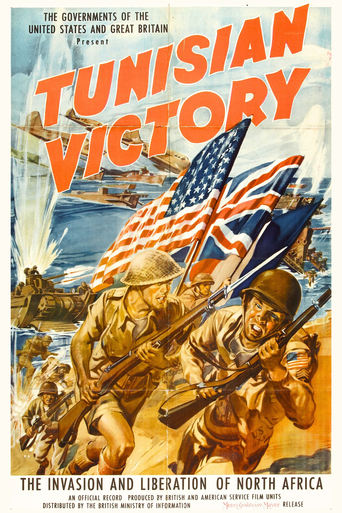
- Featured in wartime propaganda film 'Tunisian Victory'
Best Known For
Iconic Roles
Must-See Films
Accolades
Won
- Service Medal with two oak leaf clusters
- Silver Star
- Legion of Merit
- Bronze Star
- Purple Heart
Special Recognition
- Posthumous promotion to General of the Army (4-star)
- Patton Museum of Cavalry and Armor named in his honor
- Numerous streets, schools, and buildings named after him
Working Relationships
Worked Often With
Studios
Why They Matter
Impact on Culture
Patton's appearances in these wartime documentaries helped shape American public perception of the war effort and military leadership. His charismatic and controversial personality made him an ideal subject for propaganda films, embodying the aggressive American spirit needed to win the war. These documentary appearances have ensured that future generations could see and hear the legendary general in his own words.
Lasting Legacy
Patton's legacy extends far beyond his brief film appearances, with his military tactics and leadership style still studied at military academies worldwide. The 1970 Academy Award-winning film 'Patton' starring George C. Scott cemented his place in popular culture, though his actual wartime documentary appearances provide authentic historical documentation of his command presence and personality.
Who They Inspired
While not an actor, Patton's documented appearances influenced how military leaders were portrayed in subsequent war films. His distinctive speaking style and mannerisms became reference points for actors playing military roles, and his real-life footage provided authentic source material for future historical films and documentaries.
Off Screen
Patton married Beatrice Ayer in 1910, with whom he had three children. He came from a wealthy California family and was an accomplished athlete and polo player. Known for his eccentric personality and belief in reincarnation, he maintained a lifelong interest in military history and classical warfare.
Education
United States Military Academy at West Point (graduated 1909)
Family
- Beatrice Banning Ayer (1910-1945)
Did You Know?
- Spoke with a high-pitched voice contrary to his tough-guy image
- Designed his own distinctive uniform variations
- Was an accomplished fencer and once competed in the Olympics pentathlon
- Believed he was reincarnated from ancient warriors
- Kept a pair of ivory-handled pistols as his trademark
- Was temporarily relieved of command for slapping a soldier
- His Third Army advanced farther and faster than any army in military history
- Wrote poetry and was an avid reader of classical literature
- Survived two plane crashes during WWII
- His funeral was one of the largest military ceremonies in European history
In Their Own Words
Lead me, follow me, or get out of my way
Better to fight for something than live for nothing
A good plan violently executed now is better than a perfect plan next week
Moral courage is the most valuable and usually the most absent characteristic in men
You're never beaten until you admit it
Frequently Asked Questions
Who was George S. Patton?
Renowned U.S. Army General during World War II, known for his aggressive leadership and distinctive personality. He appeared in several wartime documentaries as himself, documenting his role in the Allied victory.
What films is George S. Patton best known for?
Titles linked here include Tunisian Victory (1944), The True Glory (1945).
When was George S. Patton born and when did he die?
Born November 11, 1885; died December 21, 1945.
What awards did George S. Patton win?
Patton received numerous military decorations including the Service Medal, Silver Star, Legion of Merit, Bronze Star, and Purple Heart. 'The True Glory' documentary featuring him won an Academy Award for Best Documentary.
What was George S. Patton's acting style?
Patton was not a professional actor and appeared in films only as himself. His documentary appearances captured his authentic military command presence and distinctive personality rather than any acting technique.