
Richard Attenborough
Actor
Born: August 29, 1923 in Cambridge, England, United Kingdom Died: August 24, 2014 Active: 1942-2008 Birth Name: Richard Samuel Attenborough
Films
1 film
About Richard Attenborough
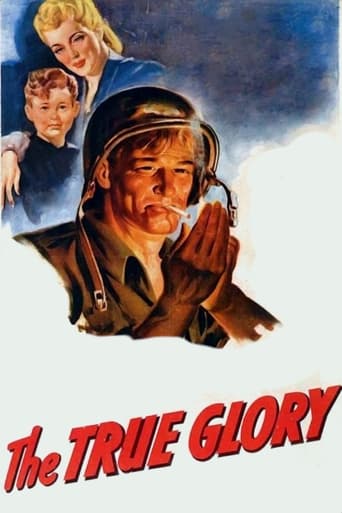
The 1945 film The True Glory is the only title linked here for Richard Attenborough. He made his film debut in 1942 with 'In Which We Serve,' though his role in 'The True Glory' (1945) was among his early appearances. Attenborough rose to prominence in the 1950s with his breakout role as Pinkie Brown in 'Brighton Rock' (1947), establishing himself as one of Britain's most versatile actors. Throughout the 1950s and 1960s, he appeared in numerous British films, often playing complex characters in dramas like 'The Angry Silence' (1960) and 'The Great Escape' (1963). In the 1970s, he transitioned successfully into directing, with his directorial debut 'Oh! What a Lovely War' (1969) earning critical acclaim. His crowning achievement came with 'Gandhi' (1982), which won eight Academy Awards including Best Picture and Best Director. Later in his career, he balanced acting roles in major Hollywood productions like 'Jurassic Park' (1993) with continued directing efforts, cementing his legacy as one of Britain's most respected filmmakers.
The Craft
On Screen
Attenborough was known for his methodical approach to character development, often immersing himself completely in his roles. He had remarkable versatility, able to portray both menacing villains like Pinkie Brown and sympathetic characters. His acting style was characterized by subtle facial expressions, controlled emotional delivery, and an ability to convey complex psychological states through minimal gestures. He particularly excelled at playing characters with moral ambiguity or internal conflicts.
Milestones
- Film debut in 'In Which We Serve' (1942)
- Breakout role in 'Brighton Rock' (1947)
- BAFTA Award for 'The Angry Silence' (1960)
- Directorial debut with 'Oh! What a Lovely War' (1969)
- Academy Awards for 'Gandhi' (1982)
- Knighthood received in 1993
- Role as John Hammond in 'Jurassic Park' (1993)
- President of BAFTA (2002-2010)
Best Known For
Iconic Roles
Must-See Films
Accolades
Won
- Academy Award for Best Director for 'Gandhi' (1982)
- Academy Award for Best Picture for 'Gandhi' (1982)
- Golden Globe for Best Director for 'Gandhi' (1982)
- BAFTA Award for Best Actor for 'The Angry Silence' (1960)
- BAFTA Fellowship (1983)
- Golden Globe Cecil B. DeMille Award (1987)
- BAFTA Academy Fellowship Award (1983)
Nominated
- Academy Award nomination for Best Supporting Actor for 'The Sand Pebbles' (1966)
- Academy Award nomination for Best Director for 'Cry Freedom' (1987)
- Academy Award nomination for Best Director for 'Chaplin' (1992)
- Golden Globe nomination for Best Director for 'Cry Freedom' (1987)
- Golden Globe nomination for Best Director for 'Chaplin' (1992)
- BAFTA nomination for Best Actor for 'Seance on a Wet Afternoon' (1964)
Special Recognition
- Knight Bachelor (1993)
- Life Peerage as Baron Attenborough (1993)
- President of the Royal Academy of Dramatic Art (2003-2010)
- President of BAFTA (2002-2010)
- Commander of the Order of the British Empire (1974)
- Fellow of the Royal Society of Arts
- Honorary Doctorate from Cambridge University
- Hollywood Walk of Fame Star (1994)
Working Relationships
Worked Often With
Studios
Why They Matter
Impact on Culture
Richard Attenborough significantly influenced both British and international cinema through his dual roles as actor and director. As an actor, he helped define the British film renaissance of the 1950s and 1960s, bringing psychological depth to British cinema. His directorial work, particularly 'Gandhi,' demonstrated how historical epics could be made with both commercial appeal and artistic integrity. He was instrumental in bringing British stories to international audiences while also championing diverse voices in cinema. His role in 'Jurassic Park' helped bridge the gap between classic Hollywood and modern blockbuster filmmaking.
Lasting Legacy
Attenborough's legacy encompasses his contributions to film as both a performer and filmmaker, his philanthropic work, and his influence on British cultural institutions. He is remembered as a director who could successfully balance commercial success with artistic merit, as evidenced by films like 'Gandhi' and 'Cry Freedom.' His support for emerging talent and his leadership at institutions like RADA and BAFTA helped shape future generations of filmmakers. The Attenborough Theatre at RADA stands as proof of his lasting impact on performing arts education.
Who They Inspired
Attenborough influenced numerous actors and directors through his mentoring and example. His methodical approach to character preparation and his ability to transition successfully between acting and directing inspired many British performers. His success with biographical films set a template for how to approach real-life stories with both accuracy and emotional resonance. His work in bridging British and American cinema markets opened doors for other British filmmakers to achieve international success. Many contemporary directors cite his ability to handle large-scale productions while maintaining human focus as a major influence on their work.
Off Screen
Richard Attenborough married actress Sheila Sim in 1945, and they remained together for 69 years until her death in 2016. They had three children: Michael, Jane, and Charlotte. Tragedy struck in 2004 when the Indian Ocean tsunami claimed the life of his elder daughter Jane and her mother-in-law. Attenborough — passionate advocate for numerous charitable causes, particularly the Royal Academy of Dramatic Art and various disability organizations. He was also the younger brother of naturalist Sir David Attenborough, with whom he shared a lifelong close bond.
Education
Wygeston Grammar School, Leicester; Royal Academy of Dramatic Art (RADA)
Family
- Sheila Sim (1945-2014)
Did You Know?
- He was one of the first actors to win both acting and directing Academy Awards
- He turned down the role of Professor X in 'X-Men' (2000)
- He was a passionate supporter of Chelsea Football Club
- He served as a pilot in the Royal Air Force during WWII
- He was originally cast as Quint in 'Jaws' but had to drop out
- His brother David Attenborough narrated the documentary version of 'Gandhi'
- He was a close friend of Princess Diana and spoke at her funeral
- He owned and operated the Curzon Mayfair cinema in London
- He was instrumental in saving the Royal Academy of Dramatic Art from financial collapse
- He received his knighthood on the same day as his brother David received his knighthood
In Their Own Words
I believe in patriotism. I believe in the nation. I believe in the country. But I don't believe in nationalism.
I don't think there's any point in being an actor unless you're prepared to give everything you've got.
The great thing about getting older is that you don't lose all the other ages you've been.
I'm a great believer that the only way to get anywhere is to work your bottom off.
Cinema is the most powerful weapon in the world for changing people's minds and opinions.
Frequently Asked Questions
Who was Richard Attenborough?
Renowned British actor, on YTB.my. He achieved international fame both as an actor in films like 'The Great Escape' and as an Oscar-winning director for 'Gandhi' (1982). He was also a prominent cultural figure who served as president of BAFTA and was knighted for his services to cinema.
What films is Richard Attenborough best known for?
Titles linked here include Brighton Rock (1947), The Great Escape (1963).
When was Richard Attenborough born and when did he die?
Born August 29, 1923; died August 24, 2014.
What awards did Richard Attenborough win?
Attenborough won two Academy Awards for 'Gandhi' (Best Picture and Best Director), a Golden Globe for Best Director, multiple BAFTA Awards, and was knighted in 1993. He also received the Golden Globe Cecil B. DeMille Award and numerous honorary doctorates and lifetime achievement awards from film institutions worldwide.
What was Richard Attenborough's acting and directing style?
As an actor, Attenborough was known for his methodical character development and versatility, excelling at complex psychological roles with subtle emotional delivery. As a director, he favored epic historical storytelling with meticulous attention to detail and strong emotional cores, particularly in biographical films. Both his acting and directing emphasized human drama within grand narratives.
How was Richard Attenborough related to David Attenborough?
Richard Attenborough was the younger brother of famed naturalist and broadcaster Sir David Attenborough. Both brothers were knighted on the same day in 1993, with Richard receiving his knighthood for services to cinema and David for services to broadcasting and conservation. They maintained a close relationship throughout their lives.
What was Richard Attenborough's role in 'The True Glory' (1945)?
Richard Attenborough appeared in the documentary film 'The True Glory' (1945) very early in his career, shortly after serving in the Royal Air Force during World War II. This was among his first film appearances, though he would go on to have a much more extensive and celebrated career spanning over six decades in cinema.