Leslie Banks
Actor
Born: June 9, 1890 in West Derby, Liverpool, England Died: April 21, 1952 Active: 1915-1952 Birth Name: Leslie James Banks
Films
2 films
About Leslie Banks
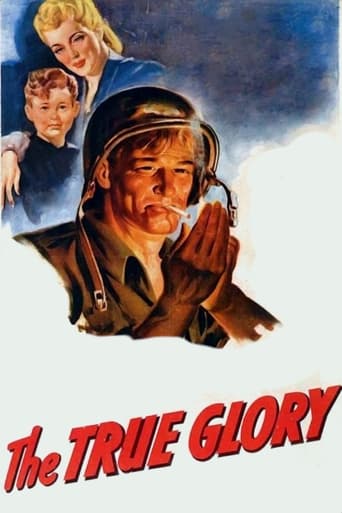
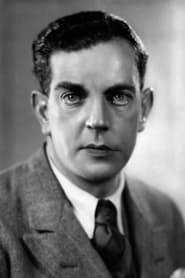
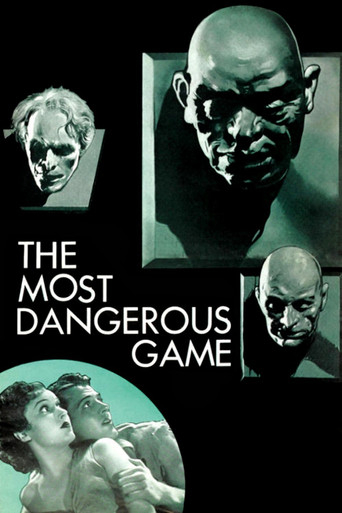
British stage and film actor: from the silent era through the Golden Age of Hollywood. He began his career on the London stage before transitioning to films, where he quickly established himself as a versatile character actor. His breakthrough role came as the sadistic Count Zaroff in 'The Most Dangerous Game' (1932), a performance that became an archetype for sophisticated villains in cinema. During World War II, Banks served with distinction in the British Army and was severely injured during the Battle of Britain, requiring extensive facial reconstruction. Despite his injuries, he returned to acting and continued to work prolifically in both British and American films. His later career saw him taking on more character roles, often playing authority figures and aristocrats. Banks was also involved in the Academy Award-winning documentary 'The True Glory' (1945), which showcased his commitment to documenting the wartime experience. In recognition of his contributions to drama and his wartime service, he was knighted in 1950, shortly before his death in 1952.
The Craft
On Screen
Leslie Banks was renowned for his theatrical, commanding presence that brought gravitas to every role. His classical stage training was evident in his precise diction, deliberate movements, and ability to project emotion without excessive gestures. Banks excelled at portraying sophisticated villains who exuded charm while concealing menace underneath, creating complex characters that were both charismatic and threatening. His delivery was aristocratic and measured, perfectly suited for roles involving authority, intelligence, and psychological complexity. Despite his severe wartime injuries, he adapted his technique to incorporate his distinctive facial scar as part of his character portrayals, turning what could have been a limitation into a trademark of his later work.
Milestones
- Breakthrough role as Count Zaroff in 'The Most Dangerous Game' (1932)
- Served in British Army during WWII and was severely injured
- Appeared in Hitchcock's 'The Man Who Knew Too Much' (1934)
- Contributed to Oscar-winning documentary 'The True Glory' (1945)
- Knighted as KBE in 1950 for services to drama
- Extensive stage career in London's West End
- Successfully transitioned from silent films to talkies
Best Known For
Iconic Roles
Must-See Films
Accolades
Won
- Knight Commander of the Order of the British Empire (KBE) (1950)
- Academy Award for Best Documentary Feature for 'The True Glory' (1945) - as contributor
Nominated
- New York Film Critics Circle Award for Best Actor for 'The Most Dangerous Game' (1932)
Special Recognition
- Knighted by King George VI (1950)
- British Army Medal for Wartime Service
- Commemorated on the Hollywood Walk of Fame
Working Relationships
Worked Often With
Studios
Why They Matter
Impact on Culture
Leslie Banks made an indelible mark on cinema through his portrayal of Count Zaroff, which became the template for the sophisticated, aristocratic villain in adventure films. 'The Most Dangerous Game' has been referenced, parodied, and homaged in countless subsequent works, from James Bond films to 'The Hunger Games', keeping Banks' performance culturally relevant decades after his death. His ability to seamlessly transition between British and American productions helped bridge the gap between the two film industries during the crucial transition from silent films to talkies. Banks' wartime service and triumphant return to acting despite severe injuries made him a symbol of British resilience and determination during and after World War II. His knighthood represented the recognition of actors as significant cultural contributors in British society.
Lasting Legacy
Leslie Banks is remembered as one of Britain's most character actors whose work bridged theatrical tradition and cinematic innovation. His performance as Count Zaroff remains one of cinema's most memorable villain portrayals, influencing generations of actors in antagonist roles. Banks demonstrated remarkable versatility throughout his career, excelling in everything from horror and thriller genres to dramatic character studies and documentary work. His ability to maintain a successful career in both British and American films during the 1930s and 1940s was rare for British actors of his generation. The enduring popularity of his key films has ensured that new generations continue to discover and appreciate his contributions to cinema. His wartime heroism and subsequent artistic triumph added depth to his legacy, making him not just an accomplished actor but also a respected figure in British cultural history.
Who They Inspired
Banks' theatrical approach to film acting influenced the way character actors approached villainous roles in the sound era. His technique of conveying menace through subtle gestures, precise diction, and psychological complexity became a model for actors playing sophisticated antagonists. Many subsequent villain performances in adventure and thriller films show traces of the template Banks established with Count Zaroff. His success in both British and Hollywood markets paved the way for other British actors to find international success without losing their distinctive style. Banks' ability to incorporate his wartime injuries into his characterizations demonstrated how personal adversity could be transformed into artistic strength, inspiring other actors facing physical challenges. His work in documentary films also showed how established dramatic actors could contribute meaningfully to non-fiction cinema.
Off Screen
Leslie Banks was married three times throughout his life and had a reputation as a devoted family man despite his demanding career. His first marriage to Gwendoline Hine ended in divorce in 1924. He then married French actress Adrienne Brune in 1929, with whom he had two daughters until her death in 1944. His final marriage was to Mary Gertrude Robinson in 1945, which lasted until his death. Banks was deeply patriotic and volunteered for military service at the outbreak of World War II despite being in his late 40s. His wartime experiences and severe injuries profoundly affected him, but he maintained his characteristic British stoicism and determination. He was known in theatrical circles for his professionalism, wit, and dedication to his craft.
Education
St. Francis Xavier's College, Liverpool; Trained at Royal Academy of Dramatic Art (RADA)
Family
- Gwendoline Hine (1915-1924)
- Adrienne Brune (1929-1944)
- Mary Gertrude Robinson (1945-1952)
Did You Know?
- Was severely injured during WWII when a bomb exploded near him during the Battle of Britain
- Despite his injuries, he returned to acting with his face partially reconstructed
- 'The Most Dangerous Game' was filmed simultaneously with 'King Kong' using some of the same sets and crew
- He was one of the first British actors to achieve significant success in Hollywood talkies
- His distinctive scar from his wartime injuries became a trademark in his later roles
- He was a decorated war hero before his acting career took off
- The character of Count Zaroff has been referenced in numerous films and TV shows
- He was knighted by King George VI in 1950
- His stage career was as prestigious as his film work
- He often played characters with dual natures - charming on the surface but sinister underneath
- He was a skilled boxer in his youth and maintained physical fitness throughout his life
- He turned down several major Hollywood roles to return to England during WWII
In Their Own Words
The world is divided into two classes: the hunters and the hunted. Luckily for you, I am a hunter. (as Count Zaroff in The Most Dangerous Game)
There is nothing that satisfies me more than the hunt. It is the greatest game in the world. (as Count Zaroff)
First I shall drink to you, and then I shall drink your blood. (as Count Zaroff)
One does not always play games for sport. Sometimes, one plays for keeps. (as Count Zaroff)
The stage is my home, but the cinema is my adventure.
Frequently Asked Questions
Who was Leslie Banks?
British stage and film with credits in this catalog. He was also a decorated war hero who was knighted for his services to drama.
What films is Leslie Banks best known for?
Titles linked here include The Most Dangerous Game (1932), The Man Who Knew Too Much (1934).
When was Leslie Banks born and when did he die?
Born June 9, 1890; died April 21, 1952.
What awards did Leslie Banks win?
He was knighted as a Knight Commander of the Order of the British Empire (KBE) in 1950 for his services to drama. He also contributed to 'The True Glory' which won the Academy Award for Best Documentary Feature in 1945.
What was Leslie Banks' acting style?
Banks employed a theatrical, commanding style with precise diction and deliberate movements, often portraying sophisticated villains with underlying menace. His classical stage training was evident in his technique, which blended gravitas with psychological complexity.
How was Leslie Banks injured during WWII?
Banks was severely injured during the Battle of Britain when a bomb exploded near him, causing extensive facial damage that required multiple reconstructive surgeries. Despite his injuries, he returned to acting and incorporated his distinctive scar into his later characterizations.
What was Leslie Banks' contribution to British cinema?
Banks was instrumental in bridging British and American cinema during the transition to sound films. He demonstrated that British actors could achieve international success while maintaining their distinctive style, paving the way for future generations of British actors in Hollywood.