The Most Dangerous Game
"Hunt or be hunted on a private island"
Keys: Space play/pause · ←/→ 10s · F fullscreen · M mute · </> speed
About this film
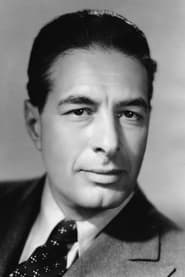
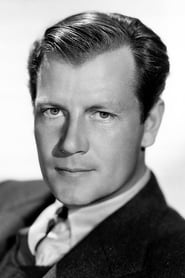
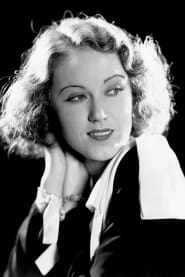
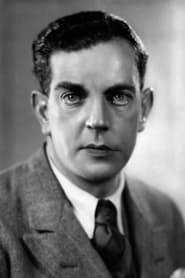
When legendary hunter Bob Rainsford is shipwrecked on the perilous reefs surrounding a mysterious island, he finds himself the guest of the reclusive and eccentric Count Zaroff. While he is very gracious at first, Zaroff eventually forces Rainsford and two other shipwreck survivors, brother and sister Eve and Martin Towbridge, to participate in a sadistic game of cat and mouse in which they are the prey and he is the hunter.
Cast & crew
More films like this
More Thriller films
View all →


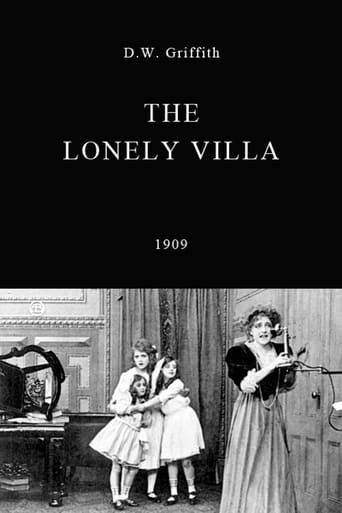
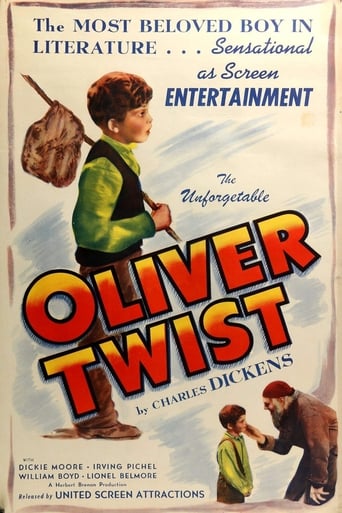
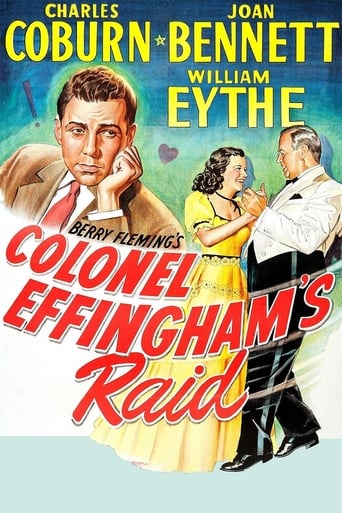
More from Irving Pichel
View all →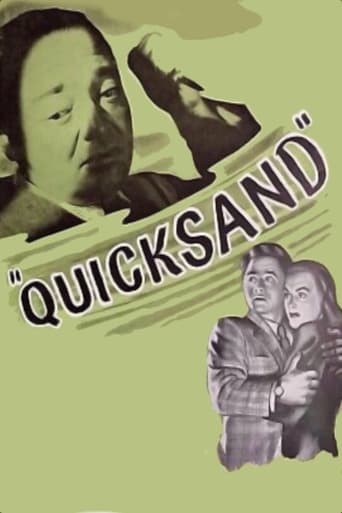
More about this film
About the production
Release dateSeptember 9, 1932
Budget$228,000
Box office$400,000 (estimated)
ProductionRKO Radio Pictures
Filmed inRKO Studio Lot, Los Angeles, California, Santa Catalina Island, California
The film was shot simultaneously with 'King Kong' (1933) using many of the same sets, crew members, and cast (Fay Wray). The jungle sets were constructed on RKO's soundstages and were so elaborate that they were reused for multiple films. The production faced challenges with the Pre-Code censorship restrictions, pushing boundaries with its violence and psychological themes. The film was completed in just 4 weeks, an incredibly short schedule even for that era.
Themes
Survival of the fittestCivilization vs. SavageryThe nature of evilMoral relativismHunting as metaphor
Themes & topics
huntingshipwreckislandpsychopathsurvivalcat and mousearistocratgamepreyjunglecastlesadismmanhuntthrill killbig game hunter
Historical background
The Most Dangerous Game (1932) emerged during the studio-system peak and early sound decades, when exhibition habits and national film industries were still taking shape.
Why this film matters
The Most Dangerous Game remains accessible through digital archives, giving modern viewers a direct link to 1932 screen culture.
Making of
The production of 'The Most Dangerous Game' was remarkable for its efficiency and resourcefulness. Directors Irving Pichel and Ernest B. Schoedsack, who would later co-direct 'King Kong', utilized the same jungle sets and crew for both films, essentially getting two movies for the price of one. The casting of Leslie Banks as Zaroff was inspired - the British actor had facial scars from World War I that added authenticity to his character's menacing presence. Fay Wray was reportedly exhausted during filming, as she was simultaneously working on both this film and 'King Kong', often running between sets. The film's famous hunting sequences were achieved through innovative camera techniques, including the use of handheld cameras and tracking shots that were revolutionary for 1932. The production team created artificial fog and rain effects to enhance the atmosphere of danger and suspense.
What critics said
Retrospective notes on The Most Dangerous Game emphasize its value as a period production rather than blockbuster reception.
Did you know?
- The film was shot in just 4 weeks, making it one of the fastest productions of its time
- Many of the jungle sets were reused from 'King Kong' which was filmed concurrently
- Fay Wray was cast in both this film and 'King Kong' at the same time, making her a busy actress
- The film's success led to numerous remakes and adaptations, but none matched the original's impact
- Leslie Banks' performance as Zaroff was so convincing that many audience members believed he was actually Russian
- The movie was one of the first to feature a 'man hunting man' theme, which became a horror subgenre
- Despite being made during the Great Depression, the film's production values were exceptionally high
- The film's runtime of 63 minutes makes it one of the shortest feature films ever produced by a major studio
- The dog that appears in the film was actually Fay Wray's personal pet
- The film was selected for preservation in the National Film Registry in 2018
Awards & recognition
- National Film Registry Selection (2018)
- Academy Award nomination for Best Art Direction (1933)
Visual style
The cinematography by Henry W. Gerrard was for its time, utilizing deep focus photography and innovative camera movements to create a sense of claustrophobia and danger. The jungle sets were photographed with expressionistic lighting techniques, using shadows and silhouettes to enhance the atmosphere of menace. Gerrard employed tracking shots that followed the characters through the dense jungle, creating a sense of relentless pursuit that was revolutionary for 1932. The film's use of low-angle shots made Zaroff appear more imposing and powerful, while high-angle shots during the hunting sequences emphasized the characters' vulnerability. The cinematography also made effective use of the film's limited color sequences in some prints, using tints to enhance the mood of different scenes.
Innovations
The film pioneered several technical innovations that would become standard in later thrillers. Its use of sound design to create off-screen suspense was revolutionary for 1932, with the filmmakers understanding that what audiences couldn't see could be more frightening than what they could. The film's editing techniques, particularly during the chase sequences, created a sense of urgency and panic through rapid cuts and cross-cutting between hunter and prey. The production design created a fully realized world within the studio, with the jungle sets being so detailed that they convinced audiences they were real locations. The film also demonstrated early mastery of the suspense thriller formula, building tension through pacing and revelation rather than relying solely on action sequences.
Music
The musical score was composed by Max Steiner, who would later become famous for his work on 'Gone with the Wind' and 'King Kong.' Steiner's innovative use of leitmotifs for different characters and situations was ahead of its time, with Zaroff's theme using minor keys and dissonant chords to create tension. The sound design was particularly impressive for 1932, with effective use of off-screen sounds to build suspense. The film's audio also included natural jungle sounds and the distant barking of Zaroff's hunting dogs, creating an immersive atmosphere. Steiner's score was one of the first to fully integrate music with the narrative action, using changes in tempo and orchestration to match the film's escalating tension.
Famous quotes
'It's a game. The world is divided into two classes: the hunters and the hunted.' - Count Zaroff
'First I was going to hunt you. Then I decided you should hunt me.' - Count Zaroff
'There is no greater thrill than hunting the most dangerous game.' - Count Zaroff
'Weakness is a crime. Don't you understand? In the jungle, it's kill or be killed.' - Count Zaroff
'I hunt more dangerous game.' - Count Zaroff
'The hunting was poor. The animals were too easy.' - Count Zaroff
Memorable scenes
- The dinner scene where Zaroff reveals his true nature to his guests
- The initial chase through the jungle with Zaroff and his dogs pursuing Rainsford
- The final confrontation where Rainsford turns the tables on Zaroff
- The discovery of Zaroff's trophy room filled with human heads
- The shipwreck opening sequence establishing the perilous island setting
- Eve's terror as she realizes the true purpose of their stay on the island
What audiences thought
The film was a commercial success upon its release, resonating with Depression-era audiences who appreciated its themes of survival and resilience. Contemporary audiences were particularly struck by the film's intensity and psychological depth, with many reporting being genuinely frightened by Zaroff's character. The film's word-of-mouth popularity led to extended runs in many theaters. Modern audiences continue to discover the film through revivals, home video, and streaming platforms, with many expressing surprise at how well the film holds up despite its age. The film's compact runtime and relentless pacing have made it a favorite among classic film enthusiasts who appreciate its efficiency and lack of padding.
Film connections
Influenced by
- Richard Connell's 1924 short story 'The Most Dangerous Game'
- Jack London's 'The Sea-Wolf'
- Arthur Conan Doyle's 'The Lost World'
- Fritz Lang's 'M' (1931)
This film influenced
- King Kong
- A Game of Death
- Run for the Sun
- The Naked Prey
- Surviving the Game
- The Hunger Games
- The Purge
- series
Film restoration
The film has been preserved by the Library of Congress and was selected for the National Film Registry in 2018 for being 'culturally, historically, or aesthetically significant.' Multiple 35mm prints exist in archives worldwide, and the film has been digitally restored by several companies. The restoration work has revealed details and textures that were not visible in previous home video releases. Some original nitrate prints still exist in private collections, though they are extremely fragile. The film has survived in excellent condition compared to many other films from the same era, likely due to its continued popularity and multiple re-releases over the decades.
Where to watch
- The Criterion Channel
- Warner Archive Collection (Blu-ray/DVD)
- Amazon Prime Video (for purchase)
- Apple TV (for purchase)
- Google Play (for purchase)
- YouTube Movies (for rental/purchase)
- Tubi (free with ads)
- Pluto TV (free with ads)
- The Film Detective (streaming service)