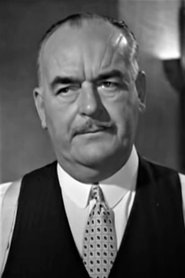
William B. Davidson
Actor
Born: June 16, 1888 in Dobbs Ferry, New York, USA Died: September 28, 1947 Active: 1915-1947 Birth Name: William Benjamin Davidson
Films
8 films
About William B. Davidson
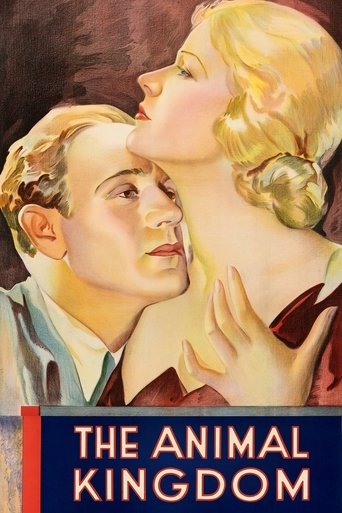
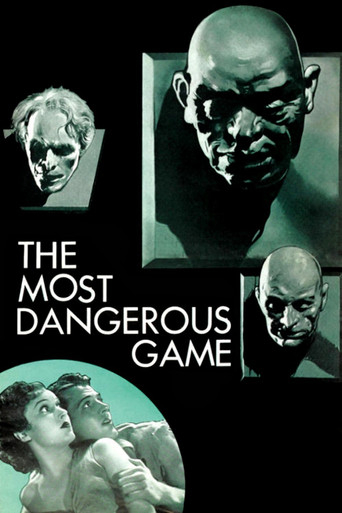
William B. Davidson performed in over 300 films during his 32-year career, spanning from the silent era through the Golden Age of Hollywood. Born William Benjamin Davidson in New York, he began his film career in 1915 and quickly established himself as a reliable supporting player, often portraying authoritative figures such as businessmen, doctors, lawyers, and military officers. Davidson successfully navigated the challenging transition from silent films to talkies in the late 1920s, a period that ended many careers, thanks to his distinctive deep voice and commanding screen presence. Throughout the 1930s and 1940s, he worked consistently for all major studios including MGM, Warner Bros., and Paramount, appearing alongside virtually every major star of the era. His most notable work includes classic films like 'The Most Dangerous Game' (1932), 'The Animal Kingdom' (1932), and 'I Am a Fugitive from a Chain Gang' (1932). Davidson — founding member of the Screen Actors Guild in 1933, demonstrating his commitment to the profession beyond his on-screen work. He continued acting until his death in 1947, leaving behind an extensive filmography that represents a significant contribution to classic American cinema and exemplifies the vital role of character actors in Hollywood's studio system.
The Craft
On Screen
Davidson was known for his authoritative presence and distinctive appearance, often portraying men of authority and respectability with naturalistic yet commanding performances. His acting style was characterized by a dignified bearing and deep voice that made him particularly effective in both silent and sound films. Davidson had a talent for conveying authority and gravitas with minimal dialogue, understanding his role as a supporting actor was to enhance the main story rather than steal scenes. His performances were consistently professional and reliable, though rarely showy, as he brought authenticity to roles ranging from stern businessmen to compassionate doctors. His ability to adapt his style to the requirements of talkies, while maintaining the visual expressiveness developed during the silent era, made him particularly valuable during Hollywood's transitional period.
Milestones
- Appeared in over 300 films during his 32-year career
- Successfully transitioned from silent films to talkies
- Became one of Hollywood's most recognizable character actors
- Founding member of the Screen Actors Guild (1933)
- Worked with all major studios during Hollywood's Golden Age
- Appeared in classic films including 'The Most Dangerous Game' and 'The Animal Kingdom'
Best Known For
Iconic Roles
Must-See Films
Accolades
Special Recognition
- Founding member of the Screen Actors Guild (1933)
Working Relationships
Worked Often With
Studios
Why They Matter
Impact on Culture
William B. Davidson represents the quintessential Hollywood character actor whose contributions, while often without on-screen billing in star-driven narratives, were essential to the fabric of Golden Age cinema. His ability to convincingly portray authority figures helped establish the visual language of American film, where his familiar face provided audiences with instant recognition of character types. Davidson's work across multiple genres—from crime dramas to romantic comedies—demonstrated the versatility required of supporting actors during Hollywood's studio era. His successful transition from silent films to talkies exemplified the adaptability necessary for longevity in the rapidly changing film industry of the 1920s and 1930s. While never a household name, Davidson's extensive filmography serves as a valuable record of the types of characters that populated classic Hollywood films and the actors who brought them to life, representing the thousands of working performers who formed the backbone of American cinema.
Lasting Legacy
William B. Davidson's legacy lies in his remarkable filmography of over 300 films, which serves as a comprehensive document of American cinema from the silent era through the 1940s. His consistent presence in films spanning three decades makes him a valuable reference point for film historians and enthusiasts studying the evolution of Hollywood storytelling and character types. Davidson represents the thousands of working actors who formed the backbone of the studio system, providing the reliable performances that allowed stars to shine. His ability to adapt to changing technologies and audience preferences, transitioning seamlessly from silent to sound films, offers a model of professional resilience in the entertainment industry. While individual roles may not be widely remembered today, Davidson's cumulative contribution to American cinema is significant, representing the craftsmanship and dedication that characterized Hollywood's golden age and the vital importance of character actors in creating believable film worlds.
Who They Inspired
As a character actor rather than a star, Davidson's influence was primarily through his example of professional reliability and versatility. His successful career demonstrated the viability and importance of character acting as a profession in Hollywood, showing that actors could build substantial careers without achieving leading man status. Davidson's ability to work across multiple studios and genres influenced how supporting actors approached their careers, emphasizing adaptability and professionalism over star power. His dignified portrayal of authority figures helped establish archetypes that would be replicated by subsequent generations of character actors. While he may not have directly mentored specific actors, his body of work continues to serve as a reference for performers studying the craft of supporting roles in film, and his involvement in founding the Screen Actors Guild helped establish better working conditions for all performers in the industry.
Off Screen
William B. Davidson was married twice during his lifetime and maintained a relatively private personal life despite his prolific film career. His first marriage was to actress Edith Boreen in 1914, with whom he had one son, William B. Davidson Jr. After their divorce in 1925, he married actress Florence Oakley in 1926, remaining with her until his death in 1947. Davidson was known among Hollywood colleagues as a professional and reliable actor who took his craft seriously but avoided seeking fame beyond his work on film sets. He lived in the Hollywood area for most of his career and was actively involved in the formation of the Screen Actors Guild, demonstrating his commitment to improving working conditions for actors. Davidson died of a heart attack on September 28, 1947, in Hollywood, California, at the age of 59, just before the release of his final film 'The Big Clock'.
Education
Limited information available, but likely received formal education in New York before entering show business
Family
- Edith Boreen (1914-1925)
- Florence Oakley (1926-1947)
Did You Know?
- Appeared in over 300 films during his 32-year career, making him
- Successfully transitioned from silent films to talkies, a challenge that ended many careers
- Often played authority figures despite never having served in the military or held such positions in real life
- His distinctive appearance included a prominent mustache that became his trademark
- Worked with virtually every major star of the 1920s, 30s, and 40s
- Was sometimes credited as W.B. Davidson or William Davidson in early films
- Appeared in both versions of 'The Maltese Falcon' (1931 and 1941) in different roles
- Was a founding member of the Screen Actors Guild in 1933
- Died just before the release of his final film 'The Big Clock' (1948)
- Never received an on-screen credit in many of his early films despite having substantial roles
- His son William B. Davidson Jr. Also briefly worked in Hollywood as a production assistant
Frequently Asked Questions
Who was William B. Davidson?
Screen credits include over 300 films between 1915 and 1947. He was known for playing authoritative figures such as businessmen, doctors, and military officers, and successfully transitioned from silent films to talkies during Hollywood's golden age.
What films is William B. Davidson best known for?
Titles linked here include The Most Dangerous Game (1932), The Animal Kingdom (1932).
When was William B. Davidson born and when did he die?
Born June 16, 1888; died September 28, 1947.
What awards did William B. Davidson win?
Despite his prolific career, William B. Davidson did not receive major awards or nominations during his lifetime. Like many character actors of his era, his contributions were recognized through consistent employment rather than formal accolades, though he was a founding member of the Screen Actors Guild.
What was William B. Davidson's acting style?
Davidson was known for his authoritative presence and naturalistic yet commanding performances. He specialized in portraying men of authority and respectability, using his distinctive appearance and deep voice to convey gravitas with minimal effort, making him particularly effective in both silent and sound films.