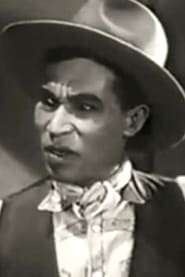
Steve Clemente
Actor
Born: November 22, 1885 in Mexico City, Mexico Died: May 13, 1950 Active: 1918-1935 Birth Name: Esteban Clemente
Films
2 films
About Steve Clemente
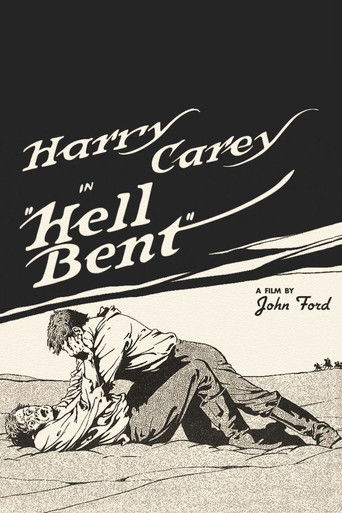
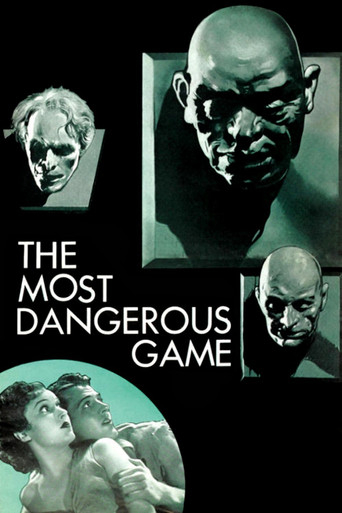
Mexican-American character actor who carved out a distinctive niche in Hollywood during the silent era and early sound period, specializing in villainous and exotic roles that capitalized on his striking appearance and commanding presence. Born in Mexico, he began his film career in the late 1910s, quickly establishing himself as a reliable antagonist in Westerns, adventure serials, and action pictures. His breakthrough came with his menacing performance in John Ford's 'Hell Bent' (1918), where his portrayal of a villain caught the attention of studio executives looking for actors with authentic Latin American features. Clemente reached the pinnacle of his career with his chilling performance as Zaroff's henchman Ivan in the classic thriller 'The Most Dangerous Game' (1932), a role that showcased his ability to convey menace with minimal dialogue. Throughout his career, he appeared in over 60 films, often typecast as bandits, revolutionaries, or foreign villains, bringing a level of authenticity to these roles that few Anglo actors could match. His career waned as Hollywood moved away from ethnic typecasting in the mid-1930s, though he continued to work in smaller roles until his retirement from the industry.
The Craft
On Screen
Clemente specialized in physical, menacing performances that relied heavily on his imposing presence and expressive features rather than dialogue. His acting style was rooted in the silent film tradition of exaggerated gestures and facial expressions, which he successfully adapted to the sound era. He had a particular talent for conveying threat and menace through subtle movements and intense stares, making him effective even in roles with limited screen time. His authentic Mexican appearance and accent added credibility to his various portrayals of Latin American characters.
Milestones
- Memorable performance as Ivan in 'The Most Dangerous Game' (1932)
- Regular appearances in Universal adventure serials
- Typecast as exotic villain in over 60 films
- Transition from silent films to early talkies
Best Known For
Iconic Roles
Must-See Films
Accolades
Special Recognition
- Recognized as one of Hollywood's most reliable character actors of the early sound era
Working Relationships
Worked Often With
Studios
Why They Matter
Impact on Culture
Steve Clemente's career represents both the opportunities and limitations faced by Latino actors in early Hollywood. While he found steady employment through ethnic typecasting, his roles often perpetuated stereotypes of Latin Americans as villains or bandits. However, his authentic presence brought a level of credibility to these portrayals that was rare for the era, and he paved the way for future Latino actors in American cinema. His performance in 'The Most Dangerous Game' remains.
Lasting Legacy
Steve Clemente is remembered today primarily for his chilling performance in 'The Most Dangerous Game,' which has become a cult classic among film enthusiasts. His work serves as an important example of the ethnic typecasting that dominated early Hollywood, while also showcasing the significant contributions of Latino actors to American cinema during its formative years. Film historians often cite him as an example of the talented character actors who provided essential support to leading players during the studio era. His legacy lives on through preservation of his films and the continued study of representation in classic Hollywood cinema.
Who They Inspired
Clemente influenced subsequent generations of Latino actors by demonstrating that it was possible to build a career in Hollywood despite limited opportunities for authentic representation. His ability to transition successfully from silent films to talkies provided a model for other foreign-born actors facing the challenges of the sound era. While his specific typecasting was problematic, his professionalism and dedication to his craft set an example for character actors of all backgrounds.
Off Screen
Steve Clemente maintained a relatively private personal life away from the Hollywood spotlight. He immigrated to the United States as a young man, initially working in various manual labor jobs before discovering opportunities in the burgeoning film industry. He married fellow actress Rosa Villa in 1925, and they remained together until his death. The couple had two children who pursued careers outside of entertainment. Clemente was known among his colleagues as a hardworking professional who took pride in his craft despite being typecast in villainous roles. He retired from acting in the mid-1930s and lived quietly in Los Angeles until his death from a heart attack in 1950.
Education
Limited formal education in Mexico; learned English through self-study after immigrating to the United States
Family
- Rosa Villa (1925-1950)
Did You Know?
- Was one of the few Mexican actors to achieve regular work in Hollywood during the silent era
- His real name was Esteban Clemente but changed it to Steve for American audiences
- Spoke fluent English with a noticeable Mexican accent which became part of his screen persona
- Often performed his own stunts in action sequences
- Was typecast so frequently as a villain that audiences rarely saw him in heroic roles
- His menacing appearance was enhanced by a prominent scar on his left cheek
- Worked with John Ford multiple times early in both their careers
- was his highest-profile role and the one he was most proud of
- Retired from acting before the age of 50 due to health issues
- Was a skilled horseman, which made him valuable in Western productions
In Their Own Words
In an interview: 'I may always play the villain, but I play him well. That is what matters in our profession.'
On typecasting: 'It is better to be a good villain than a bad hero in Hollywood.'
About 'The Most Dangerous Game': 'That picture gave me the chance to show what I could do with a real character, not just another bandit.'
Frequently Asked Questions
Who was Steve Clemente?
Mexican-American character with credits in this catalog. He is best remembered for his chilling performance as Ivan in 'The Most Dangerous Game' (1932).
What films is Steve Clemente best known for?
Titles linked here include The Most Dangerous Game (1932), Hell Bent (1918).
When was Steve Clemente born and when did he die?
Born November 22, 1885; died May 13, 1950.
What awards did Steve Clemente win?
Steve Clemente did not receive any major awards during his career, as was common for character actors of his era. However, he was recognized within the industry as a reliable and talented supporting actor.
What was Steve Clemente's acting style?
Clemente specialized in physical, menacing performances that relied on his imposing presence and expressive features. His style was rooted in silent film techniques which he successfully adapted to talkies, often conveying threat through subtle movements and intense stares rather than dialogue.