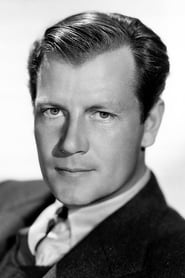
Joel McCrea
Actor
Born: November 5, 1905 in South Pasadena, California, USA Died: October 20, 1990 Active: 1927-1976 Birth Name: Joel Albert McCrea
Films
9 films
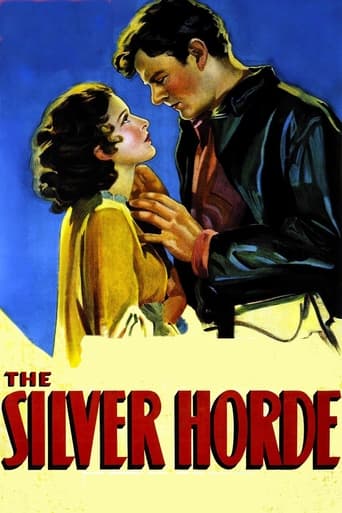
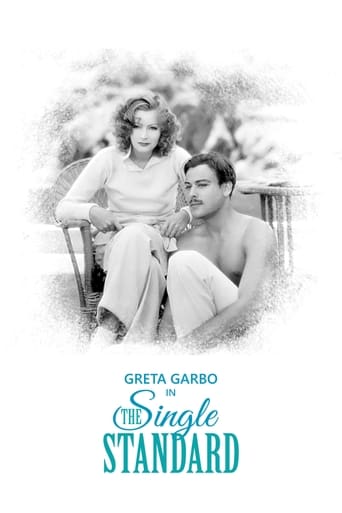
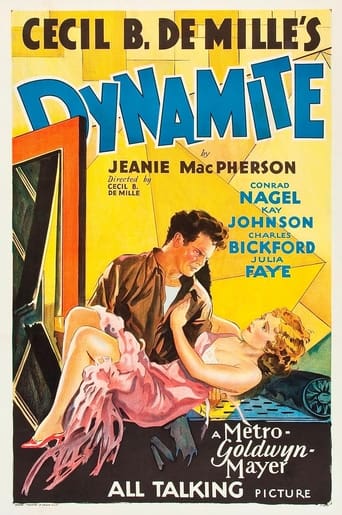
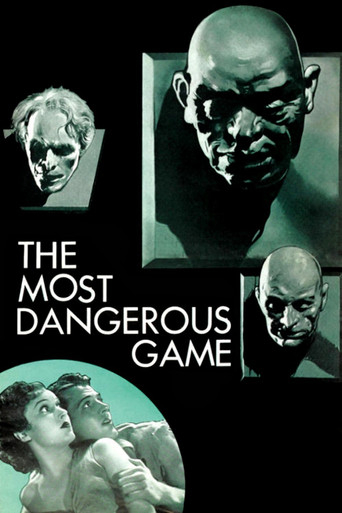
About Joel McCrea
Joel McCrea was one of Hollywood's most durable and beloved leading men, whose nearly five decades from the silent era through the golden age of Westerns. Born into a wealthy Los Angeles family, McCrea initially aspired to be a rancher but was drawn to acting after working as an extra and stuntman. His tall, lanky frame and natural, understated acting style made him perfect for both sophisticated comedies and rugged Westerns. McCrea rose to stardom in the 1930s with films like 'The Most Dangerous Game' (1932) and established himself as a versatile leading man capable of handling drama, comedy, and action. He collaborated with directors including Preston Sturges in masterpieces like 'Sullivan's Travels' (1941) and 'The Palm Beach Story' (1942). In the 1950s, McCrea became synonymous with the Western genre, starring in classics such as 'Ride the High Country' (1962) alongside Randolph Scott. Unlike many Hollywood stars, McCrea maintained a stable personal life, retiring to his ranch in the 1960s while occasionally returning to film. His legacy endures as an actor who brought authenticity and quiet dignity to every role, never losing touch with his cowboy roots despite his Hollywood success.
The Craft
On Screen
McCrea was known for his naturalistic, understated acting style that brought authenticity to every role. He possessed a calm, steady presence and avoided theatrical mannerisms, making him particularly effective in Westerns where his genuine cowboy demeanor resonated with audiences. His delivery was relaxed yet precise, and he excelled at both comedic timing and dramatic intensity without ever appearing to be 'acting.' McCrea's tall, athletic build and handsome but approachable features made him an ideal romantic lead who could convincingly portray both sophisticated gentlemen and rugged frontiersmen.
Milestones
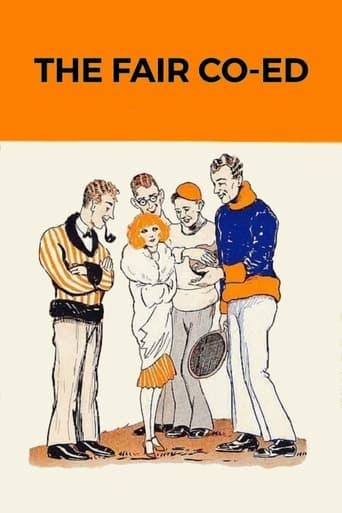
- Film debut in 'The Fair Co-Ed' (1927)
- Breakthrough role in 'The Most Dangerous Game' (1932)
- Starring in Preston Sturges comedies 'Sullivan's Travels' (1941) and 'The Palm Beach Story' (1942)
- Becoming a major Western star in the 1950s
- Final film 'Ride the High Country' (1962) with Randolph Scott
- Receiving the Golden Boot Award in 1982
- Induction into the Western Performers Hall of Fame
Best Known For
Iconic Roles
Must-See Films
Accolades
Won
- Golden Boot Award (1982)
- Western Heritage Awards (1963) for 'Ride the High Country'
Nominated
- Golden Globe nomination for Best Actor for 'The Proud Ones' (1956)
Special Recognition
- Hollywood Walk of Fame star (located at 6901 Hollywood Blvd)
- Western Performers Hall of Fame (1976)
- National Cowboy & Western Heritage Museum Hall of Fame (1970)
Working Relationships
Worked Often With
Studios
Why They Matter
Impact on Culture
Joel McCrea significantly influenced American cinema through his embodiment of the ideal American male character - strong yet gentle, confident yet humble. His work with Preston Sturges helped define the screwball comedy genre, while his Western films contributed to the evolution of the genre from simple morality tales to more complex character studies. McCrea's refusal to play villains or morally ambiguous characters helped maintain the traditional hero archetype during Hollywood's transition to more cynical storytelling in the 1960s. His authentic portrayal of Western characters, drawn from real ranching experience, set a standard for realism in the genre that influenced countless actors who followed.
Lasting Legacy
Joel McCrea's legacy endures as one of Hollywood's most authentic and reliable leading men, particularly in the Western genre where he helped define the modern cowboy hero. His collaborations with Preston Sturges produced some of the greatest American comedies ever made, films that continue to influence filmmakers today. McCrea's decision to retire to his ranch rather than chase fame exemplified the values he portrayed on screen - integrity, self-reliance, and connection to the land. His final film, 'Ride the High Country,' is now regarded as one of the greatest Westerns ever made, serving as a perfect capstone to a career that consistently delivered quality and authenticity. McCrea represents a bygone era of Hollywood stardom where personal values aligned with public persona.
Who They Inspired
McCrea's naturalistic acting style influenced generations of actors who sought to bring authenticity to their performances, particularly in Westerns. His work with directors like Hitchcock and Sturges demonstrated how understated performances could enhance complex narratives. Many Western actors, including Clint Eastwood and Kevin Costner, have cited McCrea's approach to portraying cowboy characters as influential. His successful transition from leading man to character actor in later years provided a model for aging stars in Hollywood, showing how to maintain dignity and relevance while embracing more mature roles.
Off Screen
Joel McCrea was known for his stable, down-to-earth personal life that contrasted sharply with typical Hollywood glamour. He married actress Frances Dee in 1933, and their marriage lasted 57 years until his death in 1990, making them one of Hollywood's most enduring couples. The couple had three sons together: Jody, David, and Peter, with Jody also becoming an actor. McCrea — avid outdoorsman and rancher who owned and operated a large cattle ranch in Thousand Oaks, California. He was known for his frugality and practical nature, often driving the same car for decades and preferring ranch work to Hollywood social events. Despite his wealth and fame, McCrea remained humble and grounded, never losing touch with his cowboy roots.
Education
Pomona College (attended 1923-1925), Hollywood High School, University of Southern California (briefly attended)
Family
- Frances Dee (1933-1990, until his death)
Did You Know?
- McCrea turned down the lead role in 'Gone with the Wind' (1939)
- He was a direct descendant of President William McKinley
- McCrea served as a ranch hand in Montana before becoming an actor
- He was an accomplished horseman who did most of his own stunts
- McCrea was offered but declined the role in 'The Big Sleep' that went to Humphrey Bogart
- He and wife Frances Dee were married for 57 years, one of Hollywood's longest marriages
- McCrea donated 3,000 acres of his ranch to the Conejo Valley Unified School District
- He was a close friend of fellow actor Jimmy Stewart
- McCrea was offered a contract by the New York Giants baseball team before choosing acting
- He was colorblind, which sometimes affected his wardrobe choices in films
In Their Own Words
I'm a farmer. I'm not a movie star. I've made a lot of pictures, but I'm just a farmer.
I've been a lucky man. I've had a good life, a good wife, and I've made a living doing what I love to do.
The secret to a long marriage is to marry a good woman and then stay married to her.
I never played a villain in my life. I just couldn't bring myself to do it.
Hollywood is a place where they'll pay you a thousand dollars for a kiss and fifty cents for your soul.
Frequently Asked Questions
Who was Joel McCrea?
Prominent American He was known for his naturalistic acting style and became particularly famous for his work in Westerns and screwball comedies, collaborating with legendary directors like Preston Sturges and Alfred Hitchcock.
What films is Joel McCrea best known for?
Titles linked here include Sullivan's Travels (1941), The Palm Beach Story (1942).
When was Joel McCrea born and when did he die?
Born November 5, 1905; died October 20, 1990.
What awards did Joel McCrea win?
While never nominated for an Academy Award, McCrea received significant recognition including the Golden Boot Award in 1982 for his contributions to Western films, and was inducted into the Western Performers Hall of Fame in 1976. He also received a star on the Hollywood Walk of Fame and the National Cowboy & Western Heritage Museum honored him with induction into their Hall of Fame.
What was Joel McCrea's acting style?
McCrea was known for his naturalistic, understated acting style that brought authenticity to every role. He avoided theatrical mannerisms and delivered performances with a calm, steady presence that made him particularly effective in Westerns. His relaxed yet precise delivery allowed him to excel in both comedy and drama without ever appearing to be 'acting.'
Was Joel McCrea married?
Yes, Joel McCrea was married to actress Frances Dee from 1933 until his death in 1990, making their marriage one of Hollywood's longest and most stable at 57 years. They had three sons together, one of whom (Jody) also became an actor. Their enduring marriage was notable in an era when Hollywood relationships were often short-lived.
Did Joel McCrea serve in the military?
During World War II, McCrea served in the United States Army Air Forces, though he continued to make films during the war years. He was part of the First Motion Picture Unit, which produced training and propaganda films for the military effort. His service was relatively brief compared to many of his contemporaries who left Hollywood for military duty.