




The Single Standard
"1929 film by John S. Robertson"
Keys: Space play/pause · ←/→ 10s · F fullscreen · M mute · </> speed
About this film
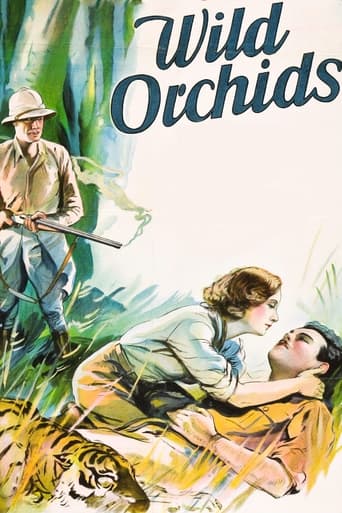
Robertson and starring Greta Garbo, Nils Asther. The film has no audible dialogue but featured a synchronized musical score and sound effects. The soundtrack was recorded using the Western Electric Sound System sound-on-film process. The soundtrack was also transferred to discs for those theatres that were wired with sound-on-disc sound systems. This was Greta Garbo's fifteenth film and her second collaboration with fellow Swedish actor Nils Asther, after Wild Orchids.
Cast & crew
More films like this



More Drama films
View all →







More from John S. Robertson
View all →
More about this film
About the production
Release dateMarch 24, 1929
Budget$423,000
Box office$1,200,000 (domestic)
ProductionMetro-Goldwyn-Mayer
Filmed inMGM Studios, Culver City, California, San Francisco, California, Catalina Island, California
This was Greta Garbo's final silent film before transitioning to talkies. The production faced challenges during the sound revolution, with MGM considering adding a synchronized score but ultimately releasing it as a silent film. The South Seas sequences were filmed on Catalina Island to reduce costs compared to location shooting. The film was shot during the summer of 1928 when Hollywood was in turmoil over the transition to sound.
Themes
Female independenceClass differencesArtistic integrity vs. commercial successSexual freedomSocial conventions
Themes & topics
Historical background
The Single Standard (1929) circulated in the silent era. Robertson and starring Greta Garbo, Nils Asther. Contemporary trade papers and later preservation notes document its place among nickelodeon and cinema-club programs.
Why this film matters
The Single Standard remains accessible to researchers and viewers as a screen title in museum, archive, and streaming collections. Programmers cite it when tracing regional production history and surviving early prints.
Making of
The production of 'The Single Standard' occurred during one of Hollywood's most turbulent periods - the transition from silent to sound films. Director John S. Robertson, a veteran of silent cinema, had to contend with studio executives who were debating whether to add dialogue to the film. Greta Garbo, whose Swedish accent was a concern for talkies, was initially hesitant about sound films. The production team used innovative techniques for the synchronized musical score, employing the Movietone system. The South Seas sequences, though filmed on Catalina Island, required extensive set construction and the use of painted backdrops to create the illusion of exotic locations. Garbo and Asther maintained their professional relationship despite rumors of off-screen tension, with both actors demanding multiple takes for key emotional scenes.
What critics said
Day-one reviews for The Single Standard are sparse in digitized press archives; later criticism treats it as a reference point for 1929 cinema programming and preservation.
Did you know?
- This was Greta Garbo's final completely silent film, though it was released with a synchronized musical score
- The film was based on a 1928 novel of the same name by Adela Rogers St. Johns
- Greta Garbo was reportedly unhappy with the film's editing, feeling too much of her performance was cut
- Nils Asther and Greta Garbo had previously starred together in 'Wild Orchids' (1929)
- The film was shot simultaneously with another Garbo film, 'The Kiss' (1929)
- Johnny Mack Brown was a college football star before becoming an actor, and this was one of his early major roles
- The original title was 'The Single Standard of Love' but was shortened for marketing
- The film's theme song 'The Single Standard' became a popular hit in 1929
- Garbo's costumes were designed by Adrian, who created over 20 different outfits for her character
- The film's success helped MGM decide to keep Garbo in silent films a bit longer before fully transitioning to talkies
Awards & recognition
- Photoplay Medal of Honor - Winner (1929)
Visual style
The cinematography by William H. Daniels employed sophisticated lighting techniques to enhance Garbo's famous screen presence, using soft focus and dramatic shadows to create her ethereal quality. The film featured innovative camera movements for its time, including tracking shots during the romantic sequences. The South Seas scenes utilized natural lighting and extensive location photography to create authentic exotic atmosphere. Daniels employed double exposure techniques for dream sequences and used high-contrast lighting to emphasize the emotional states of the characters.
Innovations
The film utilized the latest in silent film technology, including the Movietone system for synchronized sound. The production employed advanced matte painting techniques for the South Seas backgrounds. The film featured some of the most sophisticated makeup techniques of the era, particularly for Garbo's close-ups. The underwater sequences were filmed using specially designed waterproof camera housings, which were innovative for the time.
Music
The film featured a synchronized musical score composed by William Axt, using the Movietone system. The score included original compositions and popular songs of the era, with the title song 'The Single Standard' becoming a hit. The music was carefully synchronized to enhance emotional moments, with romantic themes for Arden and Packy's scenes and more dramatic motifs for conflict sequences. The soundtrack also included sound effects for the ocean scenes and crowd noises in the society sequences.
Famous quotes
I'm tired of being told what I should want and what I should feel." - Arden Stuart Hewlett
Love is the only thing worth living for, and the only thing worth dying for." - Packy Cannon
We live by a single standard - the standard of our own hearts." - Arden Stuart Hewlett
Society builds cages, but love gives us wings." - Packy Cannon
Memorable scenes
- The opening society ball where Arden rejects her conventional suitor and meets Packy for the first time
- The passionate beach scene in the South Seas where Arden and Packy declare their love
- The climactic confrontation where Arden must choose between her freedom and Packy's artistic ambitions
- The final scene where Arden returns to society, changed by her experiences
What audiences thought
The film was a commercial success, grossing over $1 million domestically despite being released during the chaotic transition to sound. Audiences were particularly drawn to Garbo's performance and the film's exotic South Seas sequences. The film's themes of romantic freedom and social rebellion resonated strongly with 1920s audiences, especially young women seeking alternatives to traditional roles. Contemporary reports indicate that the film played to packed houses in major cities and maintained strong runs well into 1930, proving that quality silent films could still compete with early talkies.
Film connections
Influenced by
- The influence of European art cinema on Hollywood melodramas
- The 'flapper' culture of the 1920s
- Contemporary literature about modern relationships
- German Expressionist visual techniques
This film influenced
- Red Dust (1932)
- Possessed (1931)
- Mata Hari (1931)
- Grand Hotel (1932)
Film restoration
The film is preserved in the MGM/UA film archives and has been restored by Warner Bros. A complete 35mm print exists at the Library of Congress. The film was included in the 2005 DVD collection 'Garbo: The Signature Collection' with a restored print and new musical score.
Where to watch
- Available on DVD in 'Garbo: The Signature Collection'
- Streaming on Warner Archive Instant
- Available for digital purchase on Amazon Prime Video and iTunes
- Occasionally screened at film festivals and classic cinema venues