
Kathlyn Williams
Actor
Born: May 31, 1879 in Butte, Montana, USA Died: September 23, 1960 Active: 1910-1931 Birth Name: Kathlyn Eleanora Williams
Films
10 films
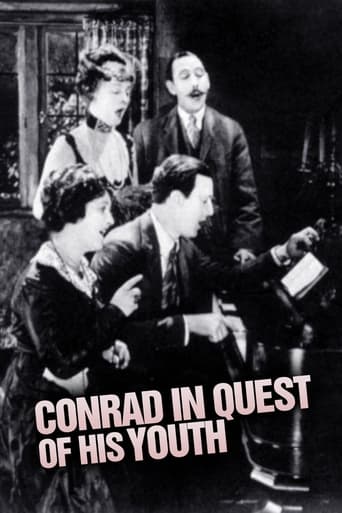
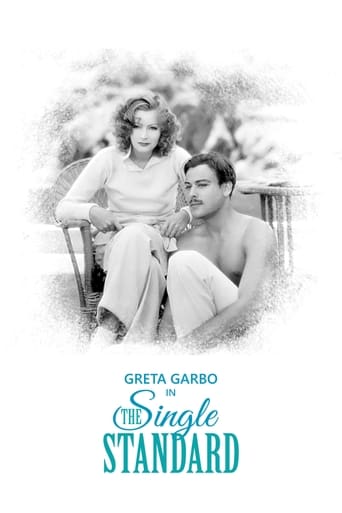
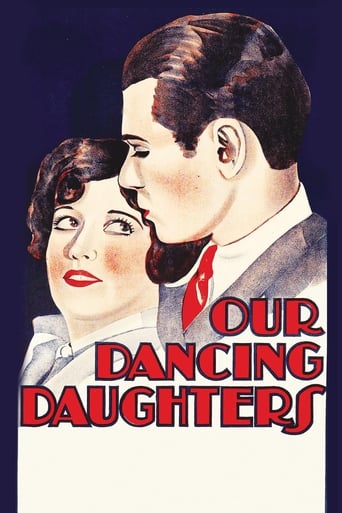
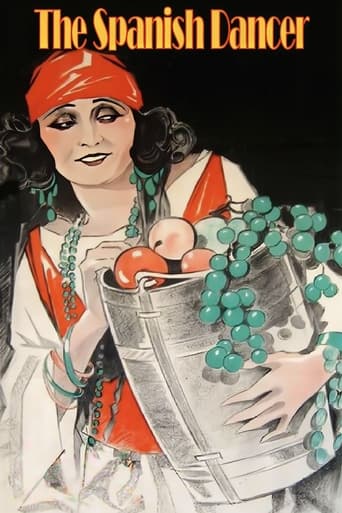
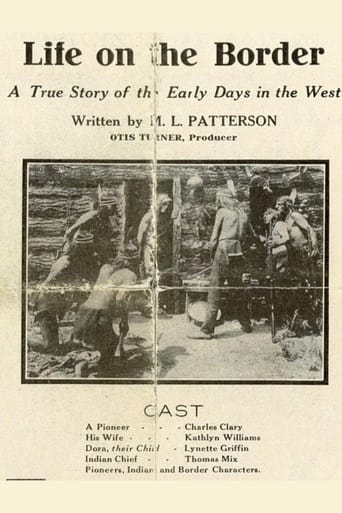
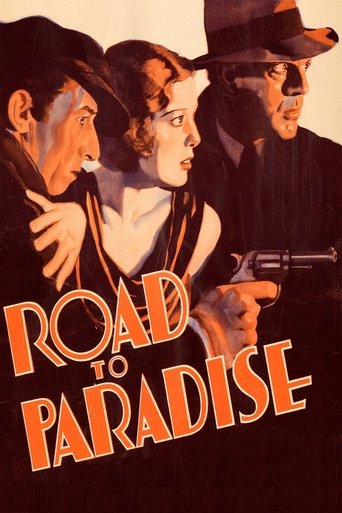
About Kathlyn Williams
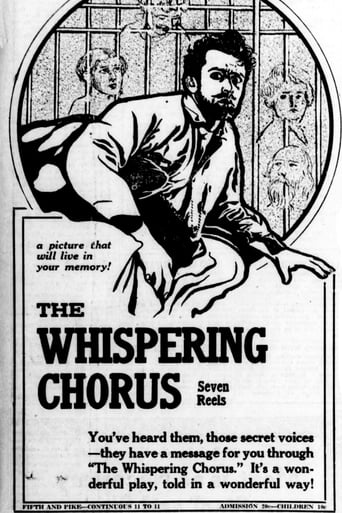
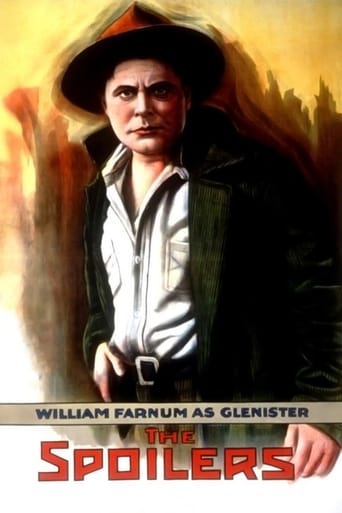
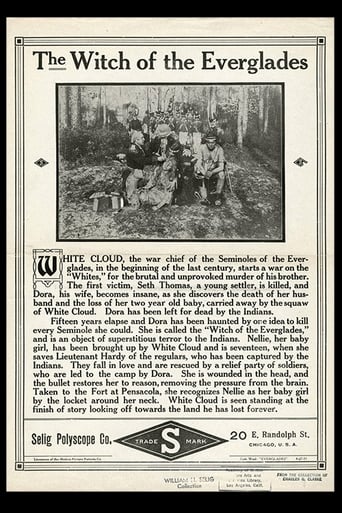
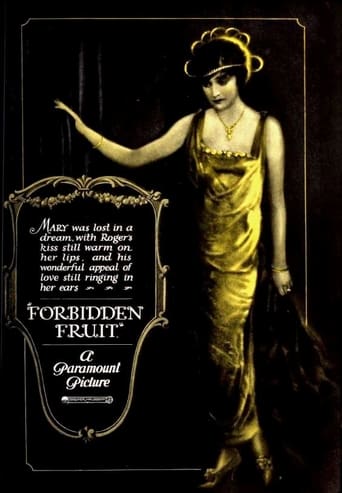
American actress who rose to prominence during the silent film era as one of the first major female stars in Hollywood. Born in Montana mining country, she began her career on the stage before transitioning to films in 1910 with the Selig Polyscope Company. Williams quickly became popular and prolific actresses of the 1910s, starring in numerous Westerns and dramatic films, often playing strong, independent characters. She had a particularly fruitful collaboration with director Cecil B. DeMille, appearing in several of his early Paramount productions including 'The Whispering Chorus' and 'Forbidden Fruit.' Williams successfully navigated the transition to sound films in the late 1920s but retired from acting in 1931 after appearing in over 150 films. Her the entire silent era and the beginning of the sound era, making her a true pioneer of American cinema.
The Craft
On Screen
Williams was known for her naturalistic acting style that was ahead of its time, avoiding the exaggerated gestures common in early silent films. She brought emotional depth and authenticity to her performances, particularly in dramatic roles. Her screen presence was commanding yet subtle, allowing her to portray both vulnerable and strong-willed characters convincingly. Williams had a particular talent for conveying complex emotions through facial expressions and subtle body language, which made her especially effective in close-ups.
Milestones
- Starred in the popular 'Kathlyn' film series (1913)
- Became one of the highest-paid actresses of the 1910s
- Worked extensively with director Cecil B. DeMille
- Successfully transitioned from silent films to talkies
- Appeared in over 150 films during her career
Best Known For
Iconic Roles
Must-See Films
Accolades
Special Recognition
- Hollywood Walk of Fame star (located at 7021 Hollywood Boulevard)
Working Relationships
Worked Often With
Studios
Why They Matter
Impact on Culture
Kathlyn Williams played a significant role in establishing the archetype of the strong, independent female protagonist in early American cinema. Her performances challenged the passive female stereotypes common in early films, particularly in her Western roles where she often played capable, resourceful women. Williams was one of the first actresses to demonstrate that women could carry films as central protagonists, paving the way for future female stars. Her successful transition from stage to film helped legitimize cinema as a serious art form for serious actors. Her collaboration with Cecil B. DeMille helped establish many of the narrative and visual techniques that would define Hollywood cinema.
Lasting Legacy
Kathlyn Williams is remembered as one of the foundational figures of American cinema, particularly significant for her contributions during the crucial transitional period from short films to feature-length movies. Her extensive filmography provides valuable documentation of early American filmmaking techniques and storytelling methods. While many of her films have been lost to time, those that survive demonstrate her remarkable range and naturalistic acting style that was ahead of its time. Williams' career serves as an example of how early film actresses could achieve both artistic success and financial independence in the nascent Hollywood system. Her legacy continues to be celebrated by film historians and silent film enthusiasts who recognize her role in establishing the star system in American cinema.
Who They Inspired
Williams influenced a generation of actresses who followed her, particularly in establishing that women could be both glamorous and strong-willed on screen. Her natural acting style influenced the move away from the theatrical exaggeration common in early films toward more subtle, realistic performances. Her successful career with multiple studios demonstrated that actresses could have agency in their career choices, inspiring future performers to negotiate better contracts and creative control. Williams' work in Westerns helped establish the genre's potential for complex female characters beyond the traditional damsel in distress trope.
Off Screen
Kathlyn Williams had a colorful personal life that included three marriages. She was known for her independence and strong will, traits that often reflected in her film characters. Despite her fame, she maintained a relatively private personal life away from the Hollywood spotlight. After retiring from acting, she lived comfortably in Los Angeles, occasionally appearing at film retrospectives and silent film festivals. She was known among her contemporaries as a generous colleague and a professional who always arrived prepared for her roles.
Education
Attended Montana State University (now University of Montana) for one year before leaving to pursue acting career
Family
- Victor Sutherland (1913-1920)
- John Eyton (1922-1925)
- Harold E. Thompson (1925-1930)
Did You Know?
- She was one of the first actors to receive a percentage of film profits, making her extremely wealthy for her time
- The 'Kathlyn' film series (1913) was one of the first film serials and was incredibly popular
- She was nicknamed 'The Selig Girl' during her time with the Selig Polyscope Company
- Williams — accomplished horsewoman and performed many of her own stunts in Western films
- She was one of the founders of the Hollywood Motion Picture Home for retired actors
- During World War I, she raised thousands of dollars for war bonds through personal appearances
- She was known for her extensive wardrobe and was considered one of Hollywood's best-dressed actresses
- Williams successfully sued a studio for breach of contract in 1916, setting an important legal precedent for actors' rights
- She spoke fluent French and was popular with European audiences
- Her son Victor Sutherland Jr. Died in infancy, a tragedy that affected her deeply throughout her life
In Their Own Words
I believe in being prepared. When I arrive on set, I know my lines, my character's motivations, and my blocking. It's the least I can do for the art and for my fellow actors.
The camera is more honest than the stage. You cannot fool it with theatrical tricks. It demands truth.
Being a woman in this business means you must be twice as good and work twice as hard. I've never minded the work.
Silent films require the actor to speak with their soul, not their voice. There's a purity in that.
I've been lucky to work with great directors who understood that women can be strong without being masculine.
Frequently Asked Questions
Who was Kathlyn Williams?
American actress who became one of the first major female stars of the silent film era. She appeared in over 150 films between 1910 and 1931, working extensively with director Cecil B. DeMille and becoming one of the highest-paid actresses of her time.
What films is Kathlyn Williams best known for?
Titles linked here include The Spoilers (1914), The Whispering Chorus (1918).
When was Kathlyn Williams born and when did she die?
Born May 31, 1879; died September 23, 1960.
What awards did Kathlyn Williams win?
While formal acting awards were not established during most of her career, Williams received a star on the Hollywood Walk of Fame at 7021 Hollywood Boulevard in recognition of her contributions to the film industry.
What was Kathlyn Williams' acting style?
Williams was known for her naturalistic acting style that avoided the exaggerated gestures common in early silent films. She brought emotional depth and authenticity to her performances, conveying complex emotions through subtle facial expressions and body language rather than theatrical techniques.