
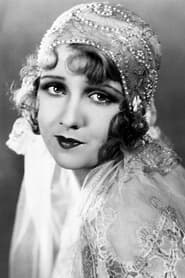


Our Dancing Daughters
"Floozy masquerading both hand."
Keys: Space play/pause · ←/→ 10s · F fullscreen · M mute · </> speed
About this film
A flapper who's secretly a good girl and a gold-digging floozy masquerading as an ingénue both vie for the hand of a millionaire.
Cast & crew
More films like this
More Drama films
View all →







More from Harry Beaumont
View all →

More about this film
About the production
Release dateSeptember 1, 1928
Budget$250,000
Box office$1.2 million (domestic)
ProductionMetro-Goldwyn-Mayer (MGM)
Filmed inMGM Studios, Culver City, California, Los Angeles, California
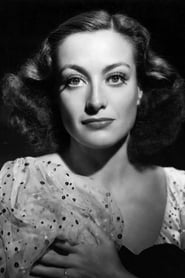
This was one of the first films to showcase Joan Crawford's dancing talents and distinctive style. The production featured elaborate Art Deco sets designed by Cedric Gibbons, capturing the opulence of the Roaring Twenties. The film's dance sequences were choreographed by Jack Cunningham and required weeks of rehearsal. MGM invested heavily in the film's wardrobe, creating over 200 costumes for the cast, with Crawford's dresses becoming fashion trends.
Themes
Female independence and empowermentAppearance vs. realityFriendship and betrayalMoral integrity in modern societyThe Jazz Age lifestyle
Themes & topics
flapperJazz AgemillionairebetrayaldanceCharlestonfriendshipdeceptionpartyromance1920ssocialitegold diggercoming of age
Historical background
Viewers around 1928 encountered Our Dancing Daughters in a market learning how screen stories could carry social themes as well as spectacle.
Why this film matters
Festival and repertory screenings keep Our Dancing Daughters in circulation among silent- and classic-film communities.
Making of
Director Harry Beaumont was known for his ability to capture the energy of the Jazz Age, and he pushed for authentic party atmospheres in the film. Joan Crawford, then relatively unknown, fought for the role and impressed MGM executives with her dancing ability during her audition. The production was marked by intense competition between Crawford and co-star Anita Page, both on-screen and off, as they vied for studio attention. The elaborate party sequences required hundreds of extras and were filmed over several days, with real jazz bands playing live to create authentic atmosphere. MGM's costume department created revolutionary designs for the film, particularly for Crawford, that defined flapper fashion for years. The film's success was so unexpected that MGM immediately began planning sequels before its theatrical run had even completed.
What critics said
Audience surveys from 1928 are sparse; interest in Our Dancing Daughters is inferred from reissue and archive activity.
Did you know?
- This film launched Joan Crawford to stardom and established her as MGM's premier flapper actress
- The Charleston dance sequences were so popular that MGM released a short film teaching audiences the dance moves
- Joan Crawford reportedly practiced her dancing for 6-8 hours daily to perfect her performance
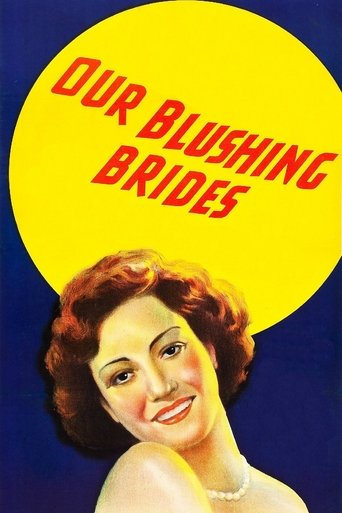
- The film's success led to two sequels: 'Our Modern Maidens' (1929) and 'Our Blushing Brides' (1930), though Crawford was the only cast member to appear in all three
- The original title was 'The Flapper' but was changed to avoid confusion with other films of the era
- Crawford's distinctive 'Diana' haircut created for this film became a nationwide fashion trend
- The film was shot during the transition from silent to sound films, making it one of the last major silent productions
- Johnny Mack Brown was a college football star before becoming an actor, and this was his breakthrough role
- The film's party scenes featured real champagne and were notoriously wild, leading to MGM tightening on-set alcohol policies
- A young Clark Gable had an uncredited role as an extra in one of the party scenes
Awards & recognition
- Academy Award Nominee for Best Writing (Original Story) - Josephine Lovett
Visual style
George Barnes's cinematography employed innovative camera techniques to capture the frenetic energy of the dance sequences, including dynamic tracking shots and unusual angles that emphasized movement. The film utilized extensive lighting effects to create the glamorous atmosphere of high society parties, with elaborate use of reflections and shadows to enhance the Art Deco settings. Barnes employed soft focus techniques for romantic scenes while using sharper focus for dramatic moments, creating visual contrast that guided audience emotions. The cinematography also featured innovative use of multiple exposures for dream sequences and party montages, pushing the boundaries of silent film visual storytelling.
Innovations
The film featured innovative use of montage sequences to compress time and create rhythmic visual effects during dance numbers. MGM's special effects department developed new techniques for creating the illusion of crowded party scenes using multiple exposures and mirror shots. The production utilized some of the first mobile camera cranes for sweeping shots of dance floors, allowing for more dynamic movement than static cameras of earlier silent films. The film's editing, particularly in the dance sequences, employed rapid cutting techniques that influenced later musical films. The Art Deco set designs incorporated new construction materials and lighting techniques that would become standard in Hollywood productions.
Music
As a silent film, 'Our Dancing Daughters' featured a compiled musical score that varied by theater, typically including popular jazz standards of the era like 'Charleston' and 'Black Bottom.' Larger theaters employed full orchestras while smaller venues used piano or organ accompaniment. The film's success led to the publication of official sheet music for its original compositions, particularly 'Our Dancing Daughters Waltz.' The soundtrack emphasized jazz rhythms to match the on-screen dancing, with syncopated beats that enhanced the film's modern feel. Some deluxe presentations included sound effects using early Vitaphone technology, though the film itself remained silent.
Famous quotes
I'm not afraid of anything - I'm a modern woman!
Some girls are born to be wives and mothers, and some are born to be dancing daughters.
You can't judge a book by its cover, especially when the cover is wearing a Charleston dress.
In this world, you either dance or you're left sitting on the sidelines.
Honesty is the one thing money can't buy, and the one thing worth more than all the gold in Fort Knox.
Memorable scenes
- The opening Charleston sequence where Joan Crawford first displays her electrifying dance style in a lavish party setting, establishing her character as the quintessential flapper.
- The dramatic confrontation scene between Crawford and Anita Page in the luxurious penthouse apartment, where true natures are revealed and friendships are tested.
- The midnight swimming pool scene where Crawford dives into the water fully clothed in a moment of emotional rebellion and freedom.
- The final wedding scene where justice prevails and true love triumphs over deception, providing a satisfying moral conclusion.
- The montage of party scenes showcasing the excess and energy of Jazz Age nightlife, with elaborate costumes and synchronized dancing.
What audiences thought
The film was a massive box office success, earning over $1.2 million domestically and making Joan Crawford an overnight sensation. Young audiences particularly embraced the film's portrayal of their generation's lifestyle, while older viewers found it both shocking and fascinating. The dance sequences became so popular that theaters reported audiences dancing in the aisles during screenings. The film's popularity extended beyond traditional moviegoers, with society columns and fashion magazines extensively covering its influence on style and behavior. Word-of-mouth was overwhelmingly positive, and the film ran for months in many cities, an unusually long engagement for the time. Its success led to sold-out Crawford personal appearances and made her among the leading requested stars for fan mail at MGM.
Film connections
Influenced by
- It (1927)
- The Plastic Age (1925)
- Flaming Youth (1923)
- The Great Gatsby (1925 novel)
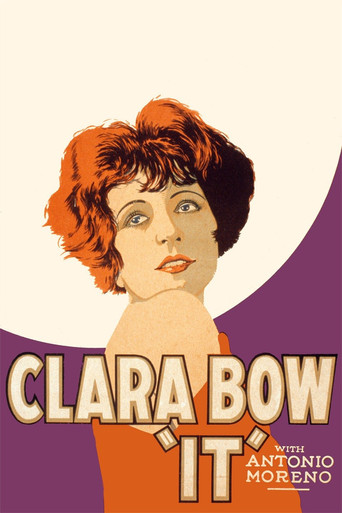
- Clara Bow's 'It Girl' persona
This film influenced
- Our Modern Maidens (1929)
- Our Blushing Brides (1930)
- The Broadway Melody (1929)
- The Divorcee (1930)
- Dancing Lady (1933)
Film restoration
The film is preserved in the MGM/United Artists film archives at the Turner Entertainment Company. A complete 35mm print exists and has been restored by Warner Bros. for home video release. The film was selected for preservation in the United States National Film Registry in 2008 for its cultural, historical, and aesthetic significance. Several restored versions have been released on DVD and Blu-ray, including a special edition with commentary by film historians.
Where to watch
- Warner Archive Collection DVD/Blu-ray
- The Criterion Channel (streaming)
- TCM (Turner Classic Movies - periodic broadcasts)
- Amazon Prime Video (for purchase)
- Apple TV (for purchase)
- Various public domain streaming sites (quality varies)