
Films
8 films


About Edward Nugent
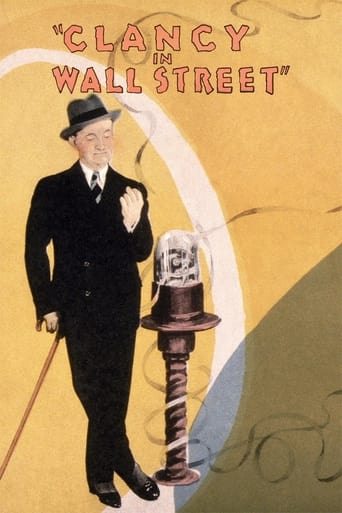
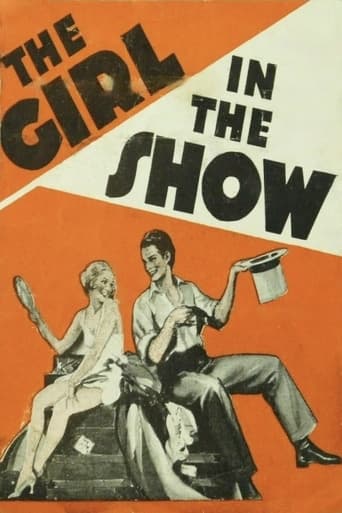
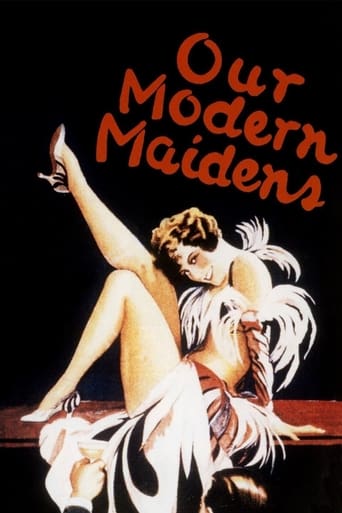
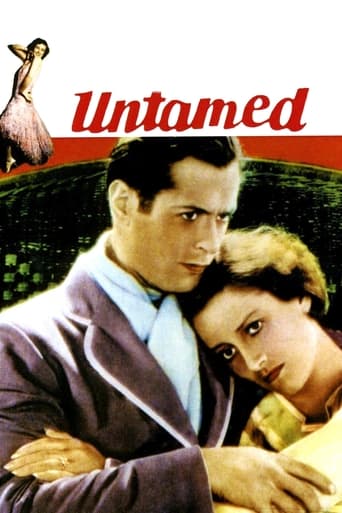
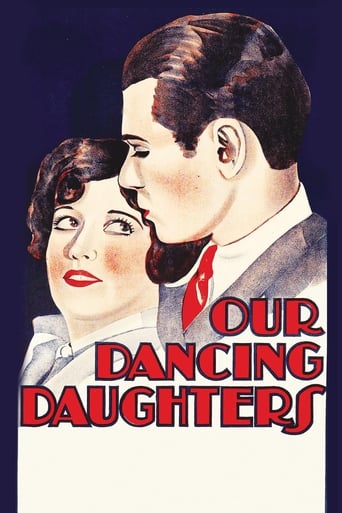
American actor who worked steadily in the late silent era and the earliest years of sound cinema, becoming familiar to audiences as a polished, energetic young supporting player in MGM and other studio productions. He came to prominence in the late 1920s with roles in youth-oriented and society comedies and dramas, including Our Dancing Daughters (1928), The Girl in the Show (1929), Our Modern Maidens (1929), and Untamed (1929). During the transition to sound, he continued to appear in films such as Clancy in Wall Street (1930), often cast as a pleasant, fast-talking leading man or juvenile lead whose clean-cut screen persona suited the era's fashionable college, town, and upper-class settings. His screen career appears to have been concentrated almost entirely in the 1928-1930 period identified in the supplied filmography, suggesting a brief but notable burst of activity rather than a long-running stardom. Because he is a comparatively obscure figure from the silent-to-sound transition, surviving biographical detail is limited, and reliable sources do not consistently preserve extensive information about his later life. Even so, his film appearances place him within an important moment in Hollywood history, when studio casting was rapidly adapting old silent-era types to the demands of synchronized dialogue. As a result, Edward Nugent is remembered chiefly by classic-film historians and database researchers as a representative performer of the late 1920s screen youth cycle rather than as a major star.
The Craft
On Screen
Edward Nugent appears to have specialized in the light, contemporary screen manner typical of late silent-era and early sound juvenile leads: polished, alert, and socially at ease. In films of this type, such performers were expected to project charm, neatness, and quick emotional readability rather than heavy dramatic intensity, and Nugent's casting suggests he fit that profile well. His work likely relied on expressive facial reactions and clean line delivery, qualities that would have been especially valuable as Hollywood moved into dialogue-driven production. Available evidence does not indicate a highly individualized or character-actor style; instead, he seems to have been valued for a dependable, youthful, modern screen presence.
Milestones
- Appeared in Our Dancing Daughters (1928), one of the signature MGM youth pictures of the late silent era
- Acted in The Girl in the Show (1929) and Our Modern Maidens (1929), both part of the stylish late-1920s romantic-comedy cycle
- Appeared in Untamed (1929), a high-profile Metro production associated with Joan Crawford's stardom
- Worked through the industry's rapid transition from silent film to sound, including Clancy in Wall Street (1930)
- Built a recognizable screen presence as a youthful supporting actor during one of Hollywood's most transitional periods
Best Known For
Iconic Roles
Must-See Films
Working Relationships
Worked Often With
Studios
Why They Matter
Impact on Culture
Edward Nugent's cultural impact is best understood as part of the broader fabric of late silent and early sound Hollywood rather than as a star who shaped public taste on his own. He contributed to the screen image of modern young American life that was central to many 1928-1930 studio pictures, helping populate stories about dancing, fashion, romance, and urban ambition at a moment when audiences were fascinated by youthful modernity. Performers like Nugent were essential to the success of ensemble productions because they provided the believable social world around headline stars. His presence in titles such as Our Dancing Daughters and Our Modern Maidens also situates him within a key cycle of films that captured the flapper era and the changing manners of the Jazz Age.
Lasting Legacy
Edward Nugent's legacy lies in the historical record of classic Hollywood's transitional period. Though not a major star, he is representative of the many competent supporting and juvenile actors who made late silent and early talkie films work, especially in contemporary stories that depended on ensemble casting and youthful energy. His filmography offers a snapshot of the kinds of roles studio players handled as the industry shifted from visual expression to synchronized speech. For researchers and enthusiasts, he remains a useful name in the cast lists of important late-1920s productions, preserving a link to the era's social comedies and dramas.
Who They Inspired
There is no strong evidence that Edward Nugent became a major influence on later actors in the way marquee stars did, but his career illustrates the archetype of the professional studio-era supporting player. Performers like him helped define the smooth, modern male presence seen in late silent romance and early sound comedy, a template that would continue in countless Hollywood pictures. His work contributed to the ensemble realism of the period and helped normalize the transition to dialogue-based screen acting. In that sense, his influence is indirect: he is part of the collective tradition from which later youth-oriented supporting performances developed.
Off Screen
Publicly available information about Edward Nugent's personal life is extremely limited, and standard classic-film reference sources do not consistently preserve details about his family background, marriages, or later life. No reliable evidence surfaced in the supplied identification or in commonly cited film-history references indicating a prominent spouse, children, or a high-profile off-screen career. He appears to have been one of the many working studio-era actors whose professional identity is documented far more clearly than their private life. Because of that, any claim beyond the basic filmography would be speculative and is best left unasserted in a database entry.
Did You Know?
- He is associated with the crucial Hollywood transition from silent films to talkies.
- His known film activity is concentrated in a very short period, roughly 1928-1930.
- He appeared in several titles tied to the fashionable, youth-centered late-1920s MGM style.
- He is not to be confused with other people of similar name in unrelated fields.
- Surviving public biographical information about him is sparse, which is common for many studio-era supporting actors.
- His credits place him in films featuring major stars of the era, including Joan Crawford in Untamed.
- He worked in an era when actors were often cast for a modern look and ease in contemporary dialogue scenes.
- He serves as a useful example of a working actor whose career is documented more through film titles than through personal history.
Frequently Asked Questions
Who was Edward Nugent?
American film with credits in this catalog. He is best known as a supporting or juvenile player in late-1920s Hollywood films, especially contemporary youth comedies and dramas.
What films is Edward Nugent best known for?
Titles linked here include Our Dancing Daughters (1928), The Girl in the Show (1929).
When was Edward Nugent born and when did he die?
Reliable biographical sources available for this identification do not consistently provide verified birth and death details. For that reason, his birth and death dates are best recorded as unknown unless a specific archival source is confirmed.
What awards did Edward Nugent win?
No major awards or nominations are currently documented for Edward Nugent in the standard classic-cinema record. He appears to have been a working studio-era performer rather than an award-focused star.
What was Edward Nugent's acting style?
His likely screen style was polished, youthful, and contemporary, suited to light romantic and social roles. He appears to have been cast for charm, clean-cut presence, and ease in modern settings rather than for flamboyant character work.
What is Edward Nugent's legacy in film history?
His legacy lies in representing the many capable actors who filled out the cast lists of important late-1920s Hollywood productions. While not a major celebrity, he is part of the historical texture of the silent-to-sound transition and the flapper-era film cycle.