





Clancy in Wall Street
"1930 film by Ted Wilde"
Keys: Space play/pause · ←/→ 10s · F fullscreen · M mute · </> speed
About this film
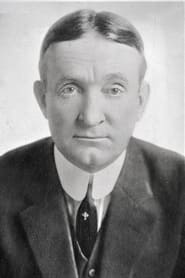
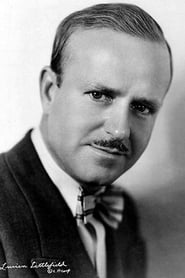
It was also known as Clancy Caught Short and was described as the first comedy about the stock market crash. It stars Charles Murray, who had made a number of films for Edward Small. It was the last film for director Ted Wilde, who had died in December of the previous year.
Cast & crew
More films like this
More Comedy films
View all →







More from Ted Wilde
View all →
More about this film
About the production
Release date1930
ProductionPathe Exchange
This film was produced during the early transition period from silent to sound cinema. Director Ted Wilde, known for his work with Harold Lloyd, reportedly died in December 1929, which raises questions about whether this film was completed before his death and released posthumously, or if there was another director involved who was uncredited.
Themes
Ethnic stereotypes and humorFriendship and partnershipFinancial speculation and riskFamily relationships and young loveWorking-class life
Themes & topics
Historical background
Clancy in Wall Street (1930) circulated in studio-era and wartime programming. It was also known as Clancy Caught Short and was described as the first comedy about the stock market crash. Contemporary trade papers and later preservation notes document its place among theatrical and archive releases.
Why this film matters
Clancy in Wall Street remains accessible to researchers and viewers as a comedy short in museum, archive, and streaming collections. It was also known as Clancy Caught Short and was described as the first comedy about the stock market crash.
Making of
Very little specific information is available about the production of 'Clancy in Wall Street.' Given that it was made in 1930, it would have been produced using early sound technology, which was still crude and presented challenges for filmmakers. The ethnic comedy elements were typical of the period, though such portrayals would be considered stereotypical by modern standards. The film's focus on stock market speculation suggests it was quickly produced to capitalize on current events following the 1929 crash. Charles Murray, as the lead, would have brought his established reputation as a character actor to the production, having appeared in numerous films throughout the 1920s.
What critics said
Day-one reviews for Clancy in Wall Street are sparse in digitized press archives; later criticism treats it as a reference point for 1930 cinema programming and preservation.
Did you know?
- Director Ted Wilde died in December 1929, making it unclear if he completed this film before his death or if it was released posthumously.
- The film capitalized on the public's fascination and fear surrounding the stock market following the 1929 crash.
- Charles Murray was typecast in Irish roles throughout his career due to his ability with the dialect.
- The ethnic pairing of Irish and Scottish characters was a common comedy trope in early American cinema.
- This was released during the early sound era when many actors struggled to transition from silent films.
- Pathe Exchange, the likely distributor, was a major player in early American cinema before being absorbed by RKO.
- The film's theme of ordinary people being drawn into stock market speculation was highly relevant to audiences in 1930.
Visual style
Specific details about the cinematography of 'Clancy in Wall Street' are not available. As an early sound film, it would have been subject to the technical limitations of the era, including bulky sound recording equipment that restricted camera movement. The visual style would likely have been straightforward and functional, focusing on clear presentation of the comedy and dialogue. Early sound films often had a more theatrical feel than their silent predecessors due to these technical constraints.
Innovations
No specific technical achievements are documented for 'Clancy in Wall Street.' As an early sound film, it would have utilized the sound recording technology available in 1930, which was still evolving. The film does not appear to have been innovative in its technical aspects, likely employing standard sound recording methods of the period. The transition from silent to sound cinema was itself a significant technical achievement of the era, and any film successfully made in 1930 represented part of this broader technological evolution in filmmaking.
Music
Information about the specific soundtrack or musical score for 'Clancy in Wall Street' is not available. Early sound films typically featured synchronized music and sound effects, with musical accompaniment that underscored the emotional tone of scenes. The film might have included musical numbers, which were popular in early talkies, or simply used background music to enhance the comedy. Given the limited budget that many films of this era had, the soundtrack was likely functional rather than elaborate.
Memorable scenes
- The scene where Clancy accidentally buys stock on margin, triggering the conflict with his thrifty Scottish partner MacIntosh
- The romantic subplot involving their children, which likely provided a contrast to the adult business dispute
- Any scenes highlighting the ethnic differences between the Irish Clancy and Scottish MacIntosh for comic effect
What audiences thought
There is limited specific information about how audiences received 'Clancy in Wall Street' in 1930. Given its subject matter and timing, it likely appealed to audiences looking for comic relief during the early Depression years. The combination of ethnic humor and commentary on stock market speculation would have been relevant to contemporary viewers. However, without box office figures or detailed audience accounts, it's difficult to determine whether the film was successful with the public. Many similar comedies from this period found modest success by providing escapism during difficult economic times.
Film connections
Influenced by
- Ethnic comedy traditions of vaudeville and early cinema
- Stock market films following the 1929 crash
- Early sound comedy conventions
Film restoration
The preservation status of 'Clancy in Wall Street' is unclear, but it appears to be a lost or extremely rare film. Very little information about the film is available in film archives or databases, suggesting it may not have survived. Many films from this early sound period have been lost due to the unstable nitrate film stock used at the time and the lack of preservation efforts for less commercially successful titles. The absence of reviews, stills, or other documentation further suggests the film may be lost.
Where to watch
- The film appears to be unavailable for viewing, likely due to being lost or in archives without public access. No current streaming or home video releases are known to exist.