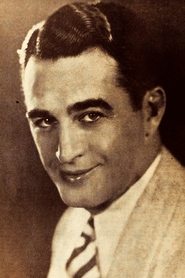
Ted Wilde
Director
Born: December 16, 1889 in New York City, New York, USA Died: December 17, 1929 Active: 1927-1930 Birth Name: Theodore Wilde
Films
4 films
About Ted Wilde
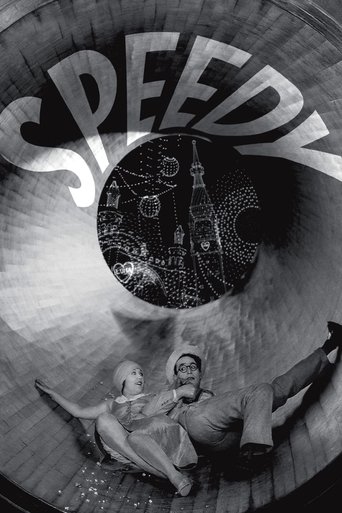
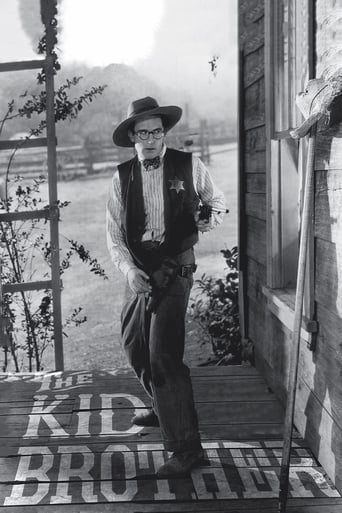
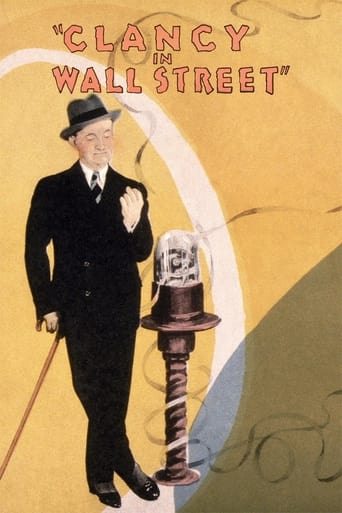
Made significant contributions to late silent comedy cinema during his tragically brief career. Born Theodore Wilde in New York City in 1889, he began his career as a screenwriter before transitioning to directing in the late 1920s. Wilde formed a productive partnership with comedy superstar Harold Lloyd, directing two of Lloyd's most acclaimed silent films: 'The Kid Brother' (1927) and 'Speedy' (1928). His directorial style was perfectly suited to physical comedy, with an exceptional understanding of timing and visual gags that complemented Lloyd's comedic persona. Wilde's promising career was cut devastatingly short when he suffered a fatal stroke on December 17, 1929, just one day after his 40th birthday. His final film, 'Clancy in Wall Street' (1930), was released posthumously, leaving audiences to wonder what additional comedic masterpieces he might have created had he lived longer.
The Craft
Behind the Camera
Ted Wilde specialized in comedy directing with exceptional skill in physical comedy and slapstick timing. His direction was characterized by meticulous choreography of stunt sequences and visual gags, perfectly complementing Harold Lloyd's comedic style. Wilde demonstrated a masterful understanding of silent comedy pacing, knowing exactly how long to hold a shot for maximum comedic effect. His visual storytelling abilities allowed him to convey humor without relying on intertitles, making his films accessible to international audiences. As the transition to sound began, Wilde showed adaptability in blending traditional silent comedy techniques with emerging sound technology.
Milestones
- Directed Harold Lloyd in 'The Kid Brother' (1927)
- Directed 'Speedy' (1928), Harold Lloyd's final silent film
- Transitioned from screenwriting to directing
- Worked during the critical transition from silent to sound films
- Completed three feature films in just three years
Best Known For
Must-See Films
Working Relationships
Worked Often With
Studios
Why They Matter
Impact on Culture
Ted Wilde played a significant role in the final flowering of silent comedy, contributing to two of Harold Lloyd's most acclaimed films during a crucial transitional period in cinema history. His work on 'Speedy' (1928) represented one of the last great silent comedies, capturing the essence of the silent era at its peak. Wilde's ability to blend physical comedy with emerging sound technology helped bridge the gap between silent and talkie comedies. His films, particularly those featuring Harold Lloyd, demonstrated how classic silent comedy techniques could evolve rather than be discarded with the advent of sound. Though his career was brief, Wilde's contributions helped maintain the artistic quality of comedy filmmaking during a period of tremendous technological and stylistic change in Hollywood.
Lasting Legacy
Ted Wilde's legacy rests primarily on his three feature films, with 'The Kid Brother' and 'Speedy' being regarded as classics of silent comedy that continue to be studied and appreciated by film scholars and enthusiasts. His work with Harold Lloyd represents some of the finest examples of late silent comedy, showcasing sophisticated visual storytelling and masterful comic timing. Wilde's early death at the height of his creative powers has led to speculation about what additional contributions he might have made to comedy cinema. His films serve as important historical documents of the transition from silent to sound cinema, demonstrating how physical comedy could adapt to new technologies. Modern comedy directors continue to study Wilde's techniques for timing and visual gags, proving that his artistic innovations have enduring value beyond their original era.
Who They Inspired
Ted Wilde influenced the approach to comedy filmmaking during the critical transition from silent to sound cinema, demonstrating how physical comedy techniques could be preserved and enhanced rather than abandoned. His work showed early sound filmmakers that visual gags and physical comedy remained powerful tools even with the addition of dialogue and sound effects. Directors who followed in the early sound era, particularly those working in comedy, benefited from the path Wilde helped blaze in combining traditional silent comedy with new sound technology. His films with Harold Lloyd influenced subsequent generations of comedy filmmakers who sought to balance visual humor with dialogue-driven comedy. The technical precision and timing evident in Wilde's direction set standards for comedy filmmaking that continued to be relevant long after the silent era ended.
Off Screen
Private individual whose personal life remains largely undocumented, which was not uncommon for behind-the-camera talent of his era. He was married, though details about his spouse and family life are scarce in historical records. Wilde's life was characterized by his dedication to his craft during the intense years of his brief directing career. His sudden death at age 40 shocked the Hollywood community, particularly given that he died during the production of his final film. Despite his limited time in the spotlight, those who worked with him remembered him as a talented and professional director who brought great skill to comedy filmmaking.
Education
Educational background not documented
Family
- Unknown
Did You Know?
- Died one day after his 40th birthday from a stroke
- 'Speedy' (1928) was Harold Lloyd's final silent film
- 'Speedy' features a cameo by baseball legend Babe Ruth
- 'The Kid Brother' (1927) was one of Harold Lloyd's most personal films
- His final film 'Clancy in Wall Street' was released posthumously
- Began his career as a screenwriter before becoming a director
- Directed three feature films in just three years
- Died during production of his final film
- Worked primarily within Harold Lloyd's production company
- His death occurred just as sound films were becoming dominant
Frequently Asked Questions
Who was Ted Wilde?
American on YTB.my. He is best known for his collaborations with comedy star Harold Lloyd, directing 'The Kid Brother' (1927) and 'Speedy' (1928). His promising career was cut short when he died of a stroke at age 40 in 1929.
What films is Ted Wilde best known for?
Titles linked here include The Kid Brother (1927), Speedy (1928).
When was Ted Wilde born and when did he die?
Born December 16, 1889; died December 17, 1929.
What awards did Ted Wilde win?
Despite his contributions to classic comedy cinema, Ted Wilde did not receive any major awards during his lifetime. His work, particularly 'The Kid Brother' and 'Speedy,' has been recognized in retrospect as significant examples of late silent comedy.
What was Ted Wilde's directing style?
Ted Wilde specialized in comedy directing, with a particular talent for physical comedy and slapstick timing. He worked seamlessly with Harold Lloyd's comedic style, expertly choreographing elaborate stunt sequences and visual gags. Wilde understood the precise pacing required for silent comedy and was adept at maximizing comedic effect through visual storytelling rather than dialogue.