
Speedy
"Coney Island to Yankee Stadium"
Keys: Space play/pause · ←/→ 10s · F fullscreen · M mute · </> speed
About this film
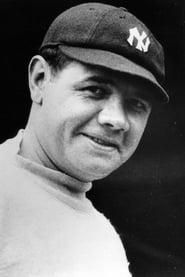
Harold Lloyd's Speedy loses his soda-jerk job, dates at Coney Island, taxis Babe Ruth, and saves a horse-drawn trolley. Speedy loses his job as a soda jerk, then spends the day with his girl at Coney Island. He then becomes a cab driver and delivers Babe Ruth to Yankee Stadium, where he stays to see the game. When the railroad tries to run the last horse-drawn trolley (operated by his girl's grand.
Cast & crew
More films like this
More Comedy films
View all →







More from Ted Wilde
View all →
More about this film
About the production
Release dateApril 7, 1928
Budget$475,000
Box office$1.5 million (domestic)
ProductionThe Harold Lloyd Corporation, Paramount Pictures
Filmed inNew York City, New York, Coney Island, Brooklyn, Yankee Stadium, Bronx, Hollywood, California (studio work)
Speedy was one of the first films to extensively shoot on location in New York City, capturing authentic street scenes and the vibrant atmosphere of 1920s Manhattan. The production faced significant challenges filming the chaotic Coney Island sequences, requiring coordination with thousands of real amusement park visitors. Harold Lloyd performed many of his own stunts, including hanging from the back of a speeding taxi and the dangerous trolley chase sequence. The film's most expensive shot involved closing down several blocks of Broadway for the climactic trolley chase, which cost over $50,000 and required multiple takes to perfect the timing of the complex action sequence.
Themes
Modernization vs. TraditionThe American DreamUrban Life in the 1920sTechnology and ProgressLove and Romance
Themes & topics
taxi driverConey IslandBabe Ruthhorse-drawn trolleyNew York Citysoda jerkchasecomedysilent filmbaseballamusement parktransportationcorporate greedromance
Historical background
1928 placed Speedy within United States cinema as The Harold Lloyd Corporation navigated wartime markets, immigration audiences, and the shift from intertitles to sound.
Why this film matters
Archivists revisit Speedy (1928) for Ted Wilde style, genre norms at The Harold Lloyd Corporation, and the exhibition context of 111 minutes programming.
Making of
The production of Speedy was ambitious for its time, representing Harold Lloyd's commitment to authentic location filming at a time when most comedies were shot entirely on studio lots. Director Ted Wilde, who had previously worked with Lloyd on several hits, faced the challenge of coordinating complex action sequences in real New York City locations without modern safety equipment or crowd control methods. The famous Coney Island sequence required the production to work around the park's actual operating hours, filming early in the morning and late at night when crowds were thinner. Lloyd, known for performing his own dangerous stunts, insisted on doing the taxi-hanging sequence himself despite protests from the studio's insurance company. The Babe Ruth cameo was secured through personal friendship between the baseball star and Lloyd, who were both among America's biggest celebrities at the time. The climactic trolley chase required closing down multiple city blocks and coordinating with the actual trolley operators, who had to follow precise timing for the complex stunt sequences.
What critics said
Retrospective writing on Speedy stresses craft by Ted Wilde, print survival, and repertory value rather than opening-week gross alone.
Did you know?
- This was the last silent film that Harold Lloyd made as his primary feature, as he transitioned to sound pictures shortly after its release.
- Babe Ruth was paid $5,000 for his cameo appearance, which was a substantial sum at the time, and he reportedly improvised much of his dialogue and reactions.
- The film features authentic footage of Coney Island in its heyday, including Luna Park and Dreamland, both of which would be destroyed by fires within a few years.
- Harold Lloyd's character 'Speedy' was based on a real New York taxi driver that Lloyd had encountered during location scouting.
- The horse-drawn trolley in the film was an actual working trolley from the Third Avenue Railway System, one of the last still operating in New York at the time.
- The film's title 'Speedy' was Harold Lloyd's real-life nickname among his friends and colleagues.
- During the Coney Island sequence, the production accidentally caused a real panic when extras mistook staged chaos for an actual emergency.
- The Yankee Stadium scenes were filmed during an actual game, with real fans in the background who weren't told they were being filmed for a movie.
- Speedy was one of the highest-grossing films of 1928 and helped establish Harold Lloyd as the third highest-paid person in America that year.
- The film's success led to a merchandising boom, including 'Speedy' brand toys, games, and even a popular dance called 'The Speedy'.
Awards & recognition
- Academy Honorary Award (1929) - For 'Unique and Artistic Production' at the 1st Academy Awards
Visual style
The cinematography by Walter Lundin and Byron Haskin was groundbreaking for its extensive use of location shooting in New York City, capturing the bustling energy of Manhattan streets with a documentary-like authenticity that was rare for fictional films of the era. The camera work during the Coney Island sequences employed innovative techniques including crane shots to capture the scale of the amusement park and tracking shots that followed Lloyd through the crowded attractions. The taxi chase sequence utilized multiple cameras mounted on vehicles to create dynamic movement and tension. The cinematographers faced significant challenges filming in natural light on city streets, requiring careful timing and planning to capture optimal lighting conditions. The visual style balanced the gritty realism of urban locations with the polished composition expected of studio productions, creating a unique aesthetic that both documented and romanticized 1920s New York. The film's visual storytelling was particularly effective during dialogue-free sequences, where the cinematography carried the narrative through expressive framing and movement.
Innovations
Speedy pioneered several technical innovations in location filming, particularly in capturing action sequences in real urban environments. The production developed specialized camera mounts for filming on moving vehicles, including taxis and the horse-drawn trolley, allowing for dynamic shots that had rarely been achieved before. The film's editing, particularly in the climactic chase sequence, employed rapid cutting techniques that were ahead of their time, creating tension and excitement through precise timing of cross-cutting between different characters and vehicles. The production also utilized early forms of process photography for certain effects, combining location footage with studio work to create seamless transitions. The sound recording techniques developed during production, though used for reference rather than final presentation, helped Lloyd and his team prepare for the transition to sound films. The film's preservation and restoration in the 21st century utilized advanced digital techniques to clean and stabilize the original nitrate footage, demonstrating how classic films can be maintained for future audiences.
Music
As a silent film, Speedy was originally accompanied by a musical score performed live in theaters, with cue sheets provided to theater musicians. The original score was composed by Harold Lloyd's regular collaborator, Gaylord Carter, who created a lively orchestral accompaniment that incorporated popular songs of the era and original themes for different characters. The music for the Coney Island sequences featured cheerful, upbeat melodies that reflected the amusement park atmosphere, while the taxi chase scenes used frantic, racing rhythms to enhance the action. For the film's restoration and home video releases, modern composer Robert Israel created a new orchestral score based on the original 1928 cue sheets, using period-appropriate instrumentation and style. The restored versions also include sound effects that were typical of silent film presentations, including street noises, crowd sounds, and mechanical effects that were created by theater musicians. The soundtrack effectively supports the film's comedic timing and dramatic moments while maintaining the authentic feel of 1920s cinema accompaniment.
Famous quotes
Speedy: 'I'm the fastest taxi driver in New York City! I can get you anywhere in ten minutes or less... unless there's traffic.'
Babe Ruth: 'Say, kid, you drive like you're trying to steal home!'
Pop: 'These newfangled contraptions are ruining the city. There's nothing like the good old horse and trolley.'
Speedy: 'Coney Island? Why, that's the most wonderful place on earth! Let's go!'
Memorable scenes
- The chaotic Coney Island sequence where Speedy accidentally causes multiple mishaps while trying to enjoy the amusement park with Jane, including a wild roller coaster ride and a disastrous attempt at winning carnival games. The scene perfectly captures the energy and excitement of 1920s Coney Island while showcasing Lloyd's physical comedy skills.
- The frantic taxi chase through Manhattan streets as Speedy rushes Babe Ruth to Yankee Stadium, featuring spectacular stunt work as Lloyd hangs from the moving vehicle and navigates through busy traffic while the baseball legend provides comic commentary from the back seat.
What audiences thought
Speedy was a tremendous commercial success upon its release, becoming one of the top-grossing films of 1928 and solidifying Harold Lloyd's status as one of the era's biggest box office draws alongside Charlie Chaplin and Buster Keaton. Audiences particularly responded to the authentic New York locations and the thrilling action sequences, with many reports of theatergoers cheering during the climactic trolley chase. The film's appeal extended beyond typical comedy audiences, attracting sports fans who came to see Babe Ruth's appearance and New Yorkers who enjoyed recognizing familiar locations. The movie's success led to increased tourism at Coney Island, as many viewers wanted to visit the amusement park after seeing it on screen. In subsequent decades, Speedy has maintained its popularity through revival screenings and home video releases, with modern audiences appreciating both its historical value and its timeless comedy. The film's preservation on the National Film Registry has introduced it to new generations of classic film enthusiasts.
Film connections
Influenced by
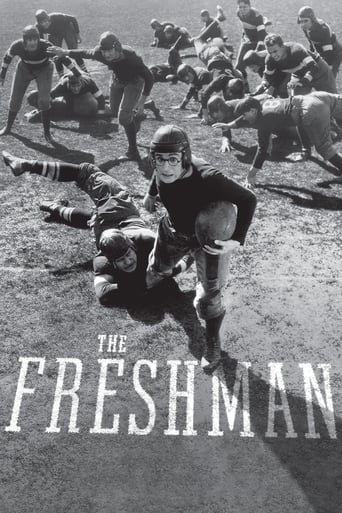
- The Freshman (1925) - Harold Lloyd's earlier college comedy that established his everyman character
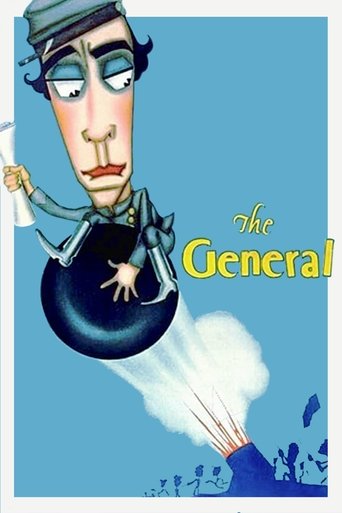
- The General (1926) - Buster Keaton's chase film that inspired Speedy's action sequences
- The Crowd (1928) - King Vidor's urban drama that influenced Speedy's realistic city depiction
This film influenced
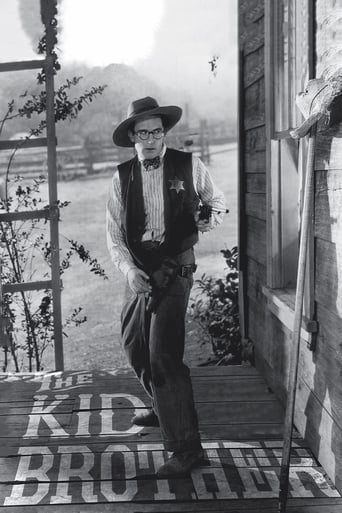
- The Kid Brother (1927) - Lloyd's subsequent film that built on Speedy's success
- Welcome Danger (1929) - Lloyd's first sound film that continued his character development
- Modern Times (1936) - Charlie Chaplin's film that explored similar themes of technology and tradition
Film restoration
Speedy has been well-preserved and was selected for preservation in the United States National Film Registry in 2017 by the Library of Congress for being 'culturally, historically, or aesthetically significant.' The film exists in complete form with both original nitrate elements and safety copies maintained by major film archives including the UCLA Film & Television Archive and The Museum of Modern Art. A comprehensive restoration was completed in 2016 by The Criterion Collection in collaboration with the Harold Lloyd Trust, utilizing the best surviving elements and digital technology to create a high-definition version that closely matches the film's original 1928 release quality. The restoration included color tinting based on original distribution notes and a newly recorded orchestral score.
Where to watch
- The Criterion Collection (Blu-ray/DVD with restored version and special features)
- The Criterion Channel (streaming)
- Kino Lorber (DVD/Blu-ray releases)
- Public domain streaming platforms (though quality varies)
- Film archives and museums that occasionally screen restored 35mm prints
- Classic film streaming services such as Fandor or Mubi during special programming