Films
3 films
About Edna Mae Cooper
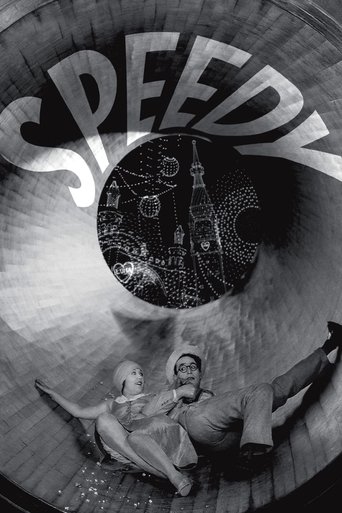
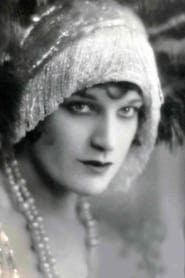
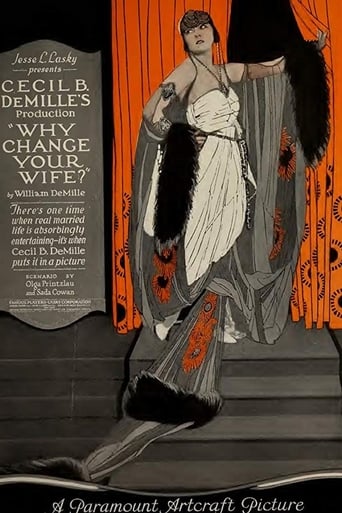
American actress who worked during the silent film era in the early 20th century. Edna appears in supporting roles in several notable films of the 1920s, including 'Why Change Your Wife?' (1920) directed by Cecil B. DeMille and 'Speedy' (1928) starring Harold Lloyd. Cooper was part of the ensemble of character actors who populated Hollywood films during this period, often playing uncredited or minor roles that contributed to the overall narrative of the films. Her the height of the silent era, a time of significant artistic and technical innovation in American cinema. While not a major star, Cooper's consistent work in productions by prominent filmmakers suggests she was regarded as a reliable and professional actress within the industry. Like many supporting actors of her era, her contributions to cinema history are preserved through the films in which she appeared, even though her personal story remains largely undocumented.
The Craft
On Screen
As an actress of the silent era, Edna Mae Cooper would have employed the expressive techniques required for non-verbal storytelling, relying on facial expressions, body language, and gestures to convey emotion and character. Her ability to secure roles in major productions suggests she possessed the technical skills and screen presence necessary for silent film performance. The versatility implied by her work in both dramatic and comedic films indicates an adaptable acting style suited to the demands of different genres.
Milestones
- Appeared in Cecil B. DeMille's 'Why Change Your Wife?' (1920)
- Featured in Harold Lloyd's 'Speedy' (1928)
- Supporting actress during the golden age of silent cinema
- Worked with major Hollywood productions of the 1920s
Best Known For
Iconic Roles
Must-See Films
Working Relationships
Worked Often With
Why They Matter
Impact on Culture
Edna Mae Cooper represents the numerous talented character actors who formed the essential foundation of Hollywood's silent film era. While not a household name, her contributions to major productions helped create the authentic worlds that audiences of the 1920s experienced. The work of actresses like Cooper demonstrates the collaborative nature of film production and highlights the importance of every role, no matter how small, in creating memorable cinema. Her career during this transformative period in film history reflects both the opportunities available to character actors in early Hollywood and the professional standards required to sustain a career in the rapidly evolving film industry.
Lasting Legacy
Edna Mae Cooper's legacy exists primarily through the preservation of the films in which she appeared, serving as proof of the craft and dedication of silent era character actors. As a representative of the working actors who populated Hollywood's golden age, she exemplifies the unsung contributors who made cinematic masterpieces possible. Though not widely remembered by name today, her performances contribute to our understanding of silent film acting techniques and the collaborative nature of early Hollywood production. Her work continues to be valuable to film historians, scholars, and enthusiasts studying this crucial period in American cinema history.
Who They Inspired
As a supporting actress rather than a leading figure, Edna Mae Cooper's direct influence on other performers is difficult to trace through available historical records. However, her professional work during a period of significant technological and artistic change in cinema would have exemplified the adaptability required of actors during the transition from silent to sound films. The consistency of her career during the height of the silent era demonstrates the qualities of reliability and versatility that were valued in character actors. Her performances continue to serve as reference points for those studying the evolution of cinematic acting techniques and the development of film as an art form.
Off Screen
Very little documented information is available about Edna Mae Cooper's personal life, which is common for supporting actors from the silent era. Historical records from this period typically focused on stars and directors, with less attention paid to the private lives of character actors. Details about her family background, education, relationships, and life outside of her film career are not well-documented in available archives. This lack of personal documentation reflects the broader historical pattern of preserving the stories of prominent figures while those of supporting contributors remain less explored.
Did You Know?
- Edna Mae Cooper appeared in 'Why Change Your Wife?' (1920), a Cecil B. DeMille comedy-drama starring Gloria Swanson and Thomas Meighan
- She was featured in 'Speedy' (1928), one of Harold Lloyd's most acclaimed silent comedies and his final silent film
- Like many character actors of her era, Cooper often went without on-screen billing in her film appearances
- Her active years covered the height of the silent era, a period considered the golden age of American silent cinema
- Cooper worked during the time when Hollywood was establishing itself as the global center of film production
- She was part of the large community of actors who helped define the visual language of silent film performance
- The lack of extensive documentation about her career is typical for supporting actors from the silent era
- Her appearances in productions by major filmmakers suggest she had achieved professional recognition within the industry
- Cooper's work during the 1920s places her at a pivotal moment in cinema history, just before the transition to sound
- Her performances contribute to the historical record of American cinema and provide insight into the craft of silent film acting
Frequently Asked Questions
Who was Edna Mae Cooper?
American actress who worked during the silent film era, primarily in supporting roles. She appeared in notable films like 'Why Change Your Wife?' (1920) and 'Speedy' (1928), working with prominent directors and stars of the period.
What films is Edna Mae Cooper best known for?
Titles linked here include Why Change Your Wife? (1920), Speedy (1928).