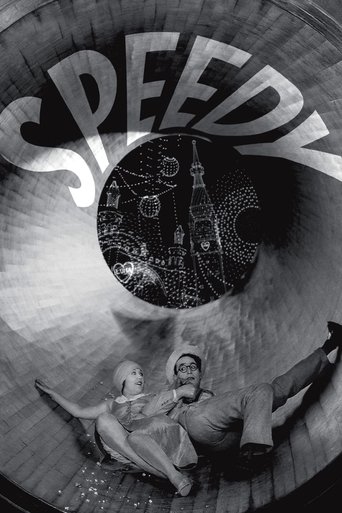
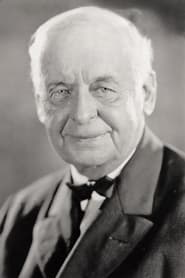
Bert Woodruff
Actor
Born: April 29, 1860 in Peoria, Illinois, USA Died: September 16, 1934 Active: 1916-1929 Birth Name: Albert Woodruff
Films
9 films

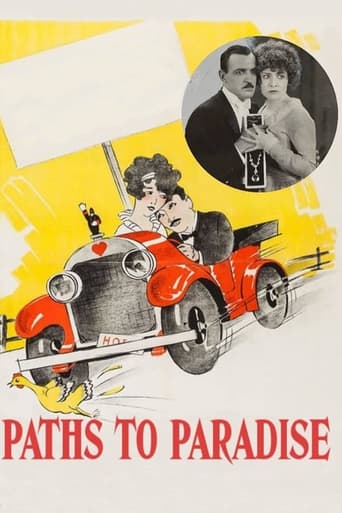
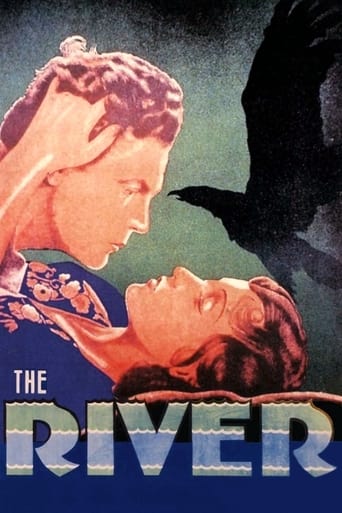
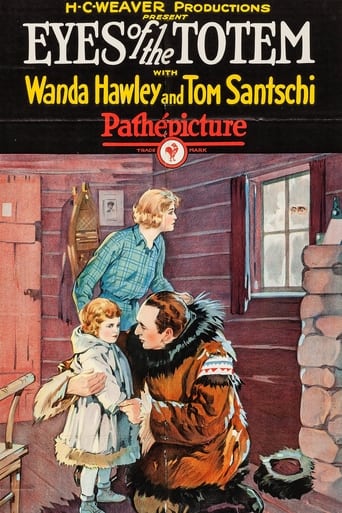
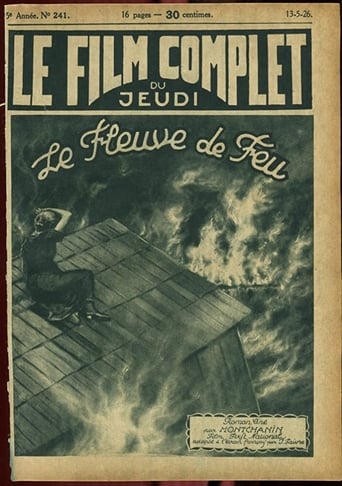
About Bert Woodruff
Prolific character actor of the silent film era, by his white hair, mustache, and authoritative presence. Born Albert Woodruff in 1860, he began his film career relatively late in life at age 56, quickly establishing himself as a reliable supporting player. Throughout his decade-long career from 1916 to 1929, he appeared in over 100 films, often portraying judges, professors, wealthy businessmen, and other figures of authority. Woodruff worked with many of the era's biggest stars, including Mary Pickford, Douglas Fairbanks, Harold Lloyd, and Clara Bow, bringing gravitas and authenticity to every role. His distinctive appearance and reliable performances made him a recognizable face to silent film audiences, even when playing uncredited parts. As the transition to sound began in the late 1920s, Woodruff's career naturally wound down, and he retired from acting in 1929. He spent his final years in Los Angeles, passing away in 1934 at age 74, leaving behind a substantial body of work that exemplifies the character actor's essential role in Golden Age Hollywood.
The Craft
On Screen
Woodruff specialized in portraying dignified, authoritative characters with a natural, understated approach that suited the silent medium perfectly. His acting style relied heavily on his distinctive physical appearance - white hair, mustache, and commanding presence - which allowed him to convey authority and wisdom without extensive dialogue. He possessed a remarkable ability to establish character quickly, often making significant impressions in brief appearances. Woodruff's performances were marked by their authenticity and reliability, never overplaying the melodramatic tendencies common in silent era acting. His dignified bearing and natural gravitas made him particularly effective in roles requiring moral authority or social prominence.
Milestones
- Film debut in 1916 at age 56
- Appeared in over 100 films in 13 years
- Worked with major stars like Mary Pickford and Douglas Fairbanks
- Established himself as a reliable authority figure in silent cinema
- Successfully transitioned from stage to film career
Best Known For
Iconic Roles
Must-See Films
Working Relationships
Worked Often With
Studios
Why They Matter
Impact on Culture
Bert Woodruff exemplified the crucial role of character actors in establishing the credibility and depth of silent era cinema. While never a star, his consistent presence in dozens of films helped create the authentic social worlds that silent films required to engage audiences. His ability to instantly establish character and social standing through appearance and subtle gesture contributed to the visual storytelling language of the era. Woodruff's work demonstrated how supporting actors could elevate productions by providing the necessary framework of society and authority against which main characters played out their dramas. His filmography serves as a valuable record of the types of social roles and character archetypes that were essential to Hollywood storytelling during the silent period.
Lasting Legacy
Bert Woodruff's legacy lies in his embodiment of the reliable character actor who forms the backbone of classic Hollywood cinema. His extensive filmography provides modern audiences with a window into the types of supporting roles that gave silent films their texture and authenticity. As one of the actors who successfully transitioned from middle age to film stardom, he demonstrated that the new medium of cinema could accommodate performers of all ages. Woodruff's work remains of interest to film historians and silent cinema enthusiasts as an example of the craft of character acting in the early Hollywood system. His performances, while often brief, contributed significantly to the overall quality and believability of numerous classic silent films.
Who They Inspired
While Bert Woodruff was not a major star who directly influenced other actors' careers, his professional approach to character acting set an example for subsequent generations of supporting players. His ability to create memorable characters in limited screen time demonstrated the importance of craft and professionalism in the film industry. Woodruff's career showed that reliable character work could provide steady employment in Hollywood, encouraging others to pursue similar paths. His dignified portrayal of authority figures helped establish character archetypes that would be refined by subsequent character actors throughout Hollywood history.
Off Screen
Bert Woodruff married Margaret L. Woodruff, with whom he spent his adult life. The couple had no children, and Woodruff was known as a private individual who rarely discussed his personal matters in public. Before entering films, he may have had a career in business or possibly on the stage, though details remain scarce. He settled in Los Angeles during his film career, living in the Hollywood area where he was close to the major studios. Woodruff was known among colleagues as a reliable and professional actor who took his craft seriously despite often playing minor roles.
Education
Limited information available, likely educated in Peoria, Illinois area during the 1870s
Family
- Margaret L. Woodruff
Did You Know?
- Began his film career at age 56, unusually old for a film debut in that era
- Appeared in over 100 films despite only working for 13 years
- Often played characters much older than his actual age due to his white hair
- His distinctive appearance made him a popular choice for playing judges and authority figures
- Worked with virtually every major star of the silent era
- Never received on-screen credit in many of his early films
- His real first name was Albert, though he was always credited as Bert
- Survived the transition from silent films to talkies, though his career ended shortly after
- Was a favorite of director John Ford, who used him in several films
- His film active years covered the entire golden age of silent cinema
In Their Own Words
As a character actor, I don't need the spotlight - I just need to make the story believable
The camera doesn't lie, and neither does a good character performance
Playing authority figures comes naturally when you've lived as long as I have
Frequently Asked Questions
Who was Bert Woodruff?
Screen credits include over 100 silent films between 1916 and 1929, known for his distinctive white hair and authoritative presence in supporting roles.
What films is Bert Woodruff best known for?
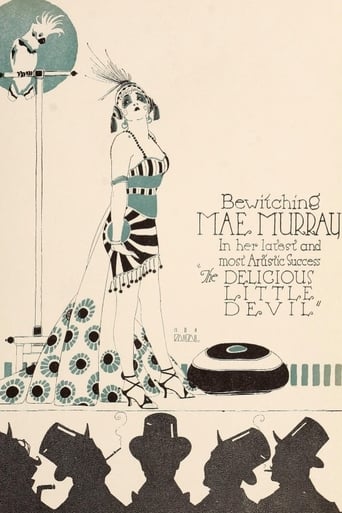
Titles linked here include The Delicious Little Devil (1919), The Sea Hawk (1924).
When was Bert Woodruff born and when did he die?
Born April 29, 1860; died September 16, 1934.
What awards did Bert Woodruff win?
Bert Woodruff did not receive any major awards or nominations during his career, which was typical for character actors of the silent era who often worked without recognition.
What was Bert Woodruff's acting style?
Woodruff specialized in portraying dignified, authoritative characters with a natural, understated approach that relied on his distinctive appearance and subtle gestures rather than melodramatic performance.