
The River
"Passion beyond conscience"
Keys: Space play/pause · ←/→ 10s · F fullscreen · M mute · </> speed
About this film
Passion carried an innocent boy and a worldly woman beyond the barriers of conscience.
Cast & crew
More films like this

More Romance films
View all →




More from Frank Borzage
View all →
More about this film
About the production
Release dateJune 2, 1929
Box officeBox office figures not documented for this film
ProductionFox Film Corporation
Filmed inFox Studios, Century City, California, On location along various rivers in California
The River was produced during the critical transition period from silent films to sound cinema. Director Frank Borzage was known for his poetic visual style and romantic sensibility, which he maintained even as the industry adapted to new technologies. The film was initially conceived as a silent picture but was released with a synchronized musical score and sound effects, typical of Fox's approach during this transitional period. The production benefited from Fox's investment in the Movietone sound system, allowing for enhanced audio accompaniment while maintaining the visual storytelling techniques of the silent era.
Themes
Redemption through loveInnocence versus experienceThe purifying power of natureSocial class differencesMoral transformation
Themes & topics
Historical background
Archival paperwork links The River to a 1929 release handled by Fox Film Corporation.
Why this film matters
The plot's emphasis on passion carried an innocent boy and a worldly woman beyond the barriers of conscience mirrors popular narrative habits of the 1929 period.
Making of
The production of 'The River' took place during among the leading turbulent periods in Hollywood history. The transition to sound was causing chaos in the industry, with many studios scrambling to convert their facilities and retrain their personnel. Fox Film Corporation, under the leadership of William Fox, had invested heavily in the Movietone sound system and was pushing forward with sound-on-film technology. Director Frank Borzage, who had built his reputation on silent films, had to adapt his visual style to accommodate sound recording requirements. The cast, particularly Charles Farrell, faced the uncertainty that many silent actors experienced during this transition. Filming along actual rivers presented technical challenges, as the sound equipment of the era was bulky and sensitive to environmental conditions. The production team had to carefully plan shots to minimize water noise that could interfere with the musical score and sound effects. Despite these challenges, Borzage maintained his signature romantic visual approach, using the natural settings to enhance the emotional depth of the story.
What critics said
Film historians reference The River in surveys of 1929 output from its studio tier.
Did you know?
- The River was one of the last major silent films released by Fox Film Corporation before their complete transition to sound production.
- Charles Farrell was one of Fox's biggest stars in the late 1920s, though he was more famously paired with Janet Gaynor in other films.
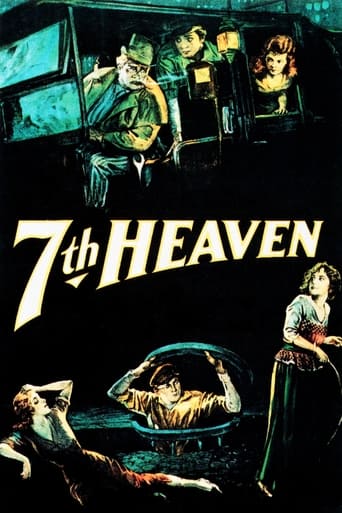
- Director Frank Borzage won the first Academy Award for Best Director for '7th Heaven' (1927) and was known for his romantic, spiritual approach to filmmaking.
- The film was released just months before the stock market crash of 1929, making it one of the last films of the roaring twenties era.
- Mary Duncan was a relatively new star at Fox, having previously worked with Paramount Pictures before joining Fox in 1928.
- The river in the film served multiple symbolic purposes, representing purification, the flow of time, and the boundary between different worlds.
- Despite being released in 1929, the film contains no spoken dialogue, relying instead on title cards and visual storytelling typical of the silent era.
- The cinematography utilized natural lighting along the river locations, creating a romantic, ethereal atmosphere characteristic of Borzage's style.
Awards & recognition
- No documented awards for this film
Visual style
The cinematography of The River, handled by Ernest Palmer, exemplified the visual sophistication achieved by late silent cinema. Palmer utilized natural lighting extensively, particularly in the outdoor scenes along the river, creating a romantic, ethereal atmosphere that enhanced the film's emotional impact. The camera work employed fluid movements and carefully composed shots that took full advantage of the natural settings. Soft focus techniques were used to create dreamlike sequences, particularly in the romantic moments between the leads. The river itself was photographed to serve as both a literal setting and a symbolic presence in the narrative, with shots that captured its flowing surface and reflective qualities. The cinematography also employed innovative techniques for the time, including subjective camera angles that conveyed the emotional states of the characters. Despite the technical limitations of filming on location with the bulky equipment of the era, the visual results were remarkably sophisticated and contributed significantly to the film's romantic mood and thematic depth.
Innovations
The River demonstrated several technical achievements typical of late silent cinema, particularly in its use of location filming and visual effects. The film employed sophisticated matte painting techniques to enhance the natural river locations and create seamless transitions between studio and location shots. The synchronized musical score and sound effects represented Fox's commitment to their Movietone system, even for films without spoken dialogue. The cinematography utilized advanced lighting techniques for the time, including the use of reflectors and diffusion to create soft, romantic lighting in outdoor scenes. The film also featured some early examples of camera movement on location, using dollies and cranes to create fluid tracking shots along the river. The special effects team created convincing sequences showing the river at different times of day and in various weather conditions. The film's editing employed rhythmic cutting techniques that matched the musical score, creating a unified audiovisual experience. While not revolutionary in technical terms, The River represented the refinement of silent film techniques just before the complete transition to sound cinema.
Music
The River was released with a synchronized musical score and sound effects using Fox's Movietone system, though it contained no spoken dialogue. The musical score was composed by a team of Fox studio musicians and was designed to enhance the emotional impact of the visual storytelling. The music incorporated popular songs of the era as well as original compositions that reflected the romantic and dramatic elements of the story. Sound effects were carefully synchronized with the action, including the flowing water of the river, ambient sounds of nature, and environmental noises that added realism to the scenes. The soundtrack also included occasional musical motifs associated with the main characters, a technique that helped establish their emotional states and relationships. The use of music and sound effects rather than dialogue maintained the film's connection to silent cinema traditions while taking advantage of the new audio technology available to Fox studios. The score was performed by the Fox studio orchestra and recorded using the Movietone sound-on-film process.
Famous quotes
The river washes away all sins, but it cannot wash away love.
In your innocence, you see only goodness; in my experience, I have seen too much evil.
We stand on opposite banks, but the same current flows between us.
Sometimes the straightest path to heaven leads through the waters of earth.
Memorable scenes
- The romantic boat sequence where Allen and Rosalee drift down the river at sunset, surrounded by golden light and reflected in the water's surface
- The climactic scene where Allen must choose between his moral convictions and his love for Rosalee while standing at the river's edge during a storm
- The opening sequence establishing the river as a character in itself, with sweeping shots of its journey through different landscapes
What audiences thought
Audience reception of The River in 1929 was moderate, reflecting the changing tastes of moviegoers during the transition to sound. While fans of Charles Farrell and admirers of Frank Borzage's work appreciated the film's romantic qualities, many viewers were increasingly drawn to the novelty of talking pictures. The film's release timing—mid-1929—meant it was competing with an increasing number of sound productions, which were drawing larger crowds. Nevertheless, audiences who attended screenings of The River responded positively to its emotional story and visual beauty. The film's themes of love and redemption resonated with viewers seeking romantic escapism. In retrospect, The River has developed a cult following among silent film enthusiasts and Borzage scholars who appreciate it as a representative example of late silent romantic cinema. Modern audiences who have had the opportunity to see the film at revival screenings or through home video releases have generally praised its visual poetry and emotional depth.
Film connections
Influenced by
- The romantic visual style of German Expressionism
- The spiritual themes found in the works of F.W. Murnau
- The naturalistic approach of Swedish silent cinema
- The poetic realism emerging in European cinema
This film influenced
- Subsequent romantic dramas that used nature as a symbolic backdrop
- Later Borzage films that explored similar themes of spiritual redemption
- Romantic films of the early 1930s that maintained visual storytelling traditions
Film restoration
The River is considered to be a lost film. No complete copies are known to exist in any film archives or private collections. This status is unfortunately common for films from this transitional period in cinema history, as many silent films and early sound films were destroyed or lost due to neglect, studio archive purges, or the deterioration of nitrate film stock. Only a few production stills and promotional materials survive to document the film's existence. The loss of The River represents a significant gap in the filmography of director Frank Borzage and in the documentation of late silent romantic cinema.
Where to watch
- Unfortunately, The River is not available for viewing as it is considered a lost film. No surviving copies exist in any film archives or collections. Film historians and enthusiasts can only experience the film through surviving production stills, promotional materials, and contemporary reviews that document its existence.