Films
2 films
About Mary Duncan
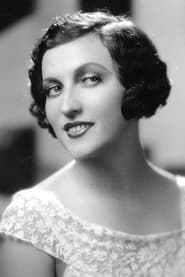
American actress best remembered for a brief but memorable screen career during the late silent and early sound eras, especially for her work with director F. W. Murnau. Born in 1895, she came to prominence in Hollywood at the very end of the silent period and appeared in a small number of films, but her performances were notable enough to earn her a place in classic cinema history. She is most strongly associated with Murnau's The River (1929) and Sunrise-adjacent rural melodrama City Girl (1930), both of which showcased her ability to convey warmth, resilience, and emotional complexity with relatively little dialogue. Her career was short-lived compared with many of her contemporaries, and she did not become a major star, but the films she made have remained important to silent and early sound film scholars. Duncan's screen image was that of a natural, grounded performer suited to emotionally charged, stylized drama rather than flamboyant star vehicles. After her film career, she largely withdrew from the spotlight, which has left much of her later life less documented than her work on screen.
The Craft
On Screen
Mary Duncan's acting style is generally associated with restrained, emotionally legible, naturalistic performance suited to late silent cinema's visual storytelling and the early sound era's more intimate realism. In the Murnau films with which she is most closely identified, she conveyed feeling through subtle facial expression, posture, and carefully modulated movement rather than overt theatricality. Her screen presence was warm and grounded, helping her fit into rural and psychologically nuanced melodramas. She is remembered less for star persona excess than for sincere, understated characterization.
Milestones
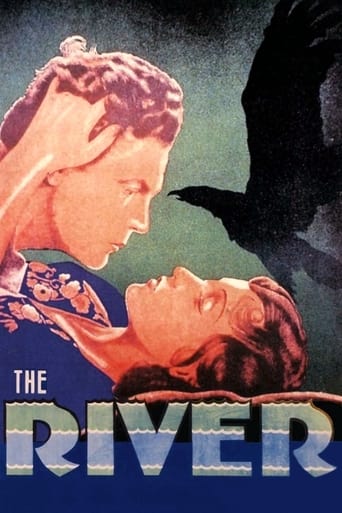
- Appeared in F. W. Murnau's The River (1929), one of her best-known and most frequently discussed film roles
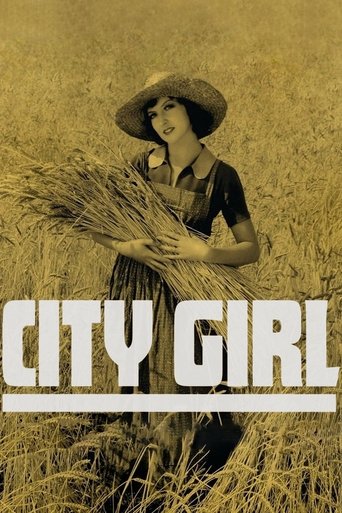
- Played a key role in City Girl (1930), another important F. W. Murnau production bridging silent and sound-era cinema
- Established a reputation as a sensitive, restrained performer in late silent and early talkie drama
- Became part of the historical record of major transitional cinema at the end of the silent era
Best Known For
Iconic Roles
Must-See Films
Working Relationships
Worked Often With
Studios
Why They Matter
Impact on Culture
Mary Duncan's cultural impact lies less in star fame than in her association with two significant films from one of cinema's great transitional moments. Her work in The River and City Girl places her within the legacy of F. W. Murnau, a director celebrated for visual expressiveness and emotional depth, and her performances helped carry that style into the early sound period. For film historians, she represents the many capable performers whose artistry was preserved in a small body of work rather than a long filmography. She also stands as an example of the numerous actresses whose careers were shaped by the profound industrial changes brought by the arrival of sound, with talent sometimes outrunning opportunity.
Lasting Legacy
Mary Duncan's legacy endures primarily through cinephile and scholarly interest in The River and City Girl, films that continue to be studied as key works from the end of the silent era. Even with a short career, she is remembered as part of the Murnau circle and as a performer who brought emotional credibility to stylized, visually sophisticated productions. Her limited filmography has made her something of a historical footnote to general audiences, but among classic film enthusiasts she remains a valued presence in late silent and early talkie history. She exemplifies the way a brief screen career can still leave a durable impression when attached to culturally significant films.
Who They Inspired
Mary Duncan's direct influence on later actors is difficult to trace because she was not a long-term star or a widely credited stylistic model in the way some contemporaries were. Her influence is better understood as part of the broader evolution toward understated screen acting at the end of the silent era, where emotional truth and physical nuance became increasingly important. In that sense, she contributed to the tradition of naturalistic performance that later became central to sound-film acting. Her work also continues to inform how historians view the transitional performance styles of actresses working under directors like Murnau.
Off Screen
Very little widely documented information survives about Mary Duncan's personal life, and she appears to have lived much of her life outside the public eye after her brief period of screen work. Because she did not maintain a long-running celebrity profile, detailed records about marriages, family, and later years are limited in standard film histories. Available classic cinema references focus overwhelmingly on her film appearances rather than on private biography. As a result, much of her personal life remains genuinely obscure in public sources.
Did You Know?
- Mary Duncan is most closely associated with only a very small number of films, which makes her career unusually concentrated for a classic Hollywood performer.
- Her best-known work is tied to F. W. Murnau,.
- She appeared in both a late silent film and an early sound film, making her career especially relevant to the transition between eras.
- Because her career was brief, she is more often discussed in film-history contexts than in mainstream star biographies.
- Her performances are valued for their restraint and emotional clarity rather than for overt glamour or star-image spectacle.
- The scarcity of later-life public information about her has contributed to an aura of mystery around her biography.
- She is a useful example of how some talented performers became historically important through a small body of work.
- Her filmography is closely linked to studio-era production at Fox during a major technological transition in cinema.
Frequently Asked Questions
Who was Mary Duncan?
American film actress active at the end of the silent era and the beginning of the sound era. She is best remembered for appearing in F. W. Murnau's The River (1929) and City Girl (1930), where her restrained, naturalistic style fit the director's lyrical realism.
What films is Mary Duncan best known for?
When was Mary Duncan born and when did she die?
Born 1895; died death date not listed.
What awards did Mary Duncan win?
No major awards or nominations are commonly documented for Mary Duncan. Her significance comes primarily from her performances in historically important films rather than from an awards-heavy career.
What was Mary Duncan's acting style?
Mary Duncan's acting style is best described as restrained, naturalistic, and emotionally grounded. She relied on subtle expression and movement, which suited the visual storytelling of late silent films and the intimate tone of early sound cinema.
What is Mary Duncan's legacy in film history?
Mary Duncan's legacy is tied to her presence in two important transitional films by F. W. Murnau. Although her career was brief, she remains significant to historians as a performer who helped define the emotional tone of late silent and early sound cinema.