

F. W. Murnau
Director
Born: December 28, 1888 in Bielefeld, German Empire Died: March 11, 1931 Active: 1919-1931 Birth Name: Friedrich Wilhelm Plumpe
Films
12 films

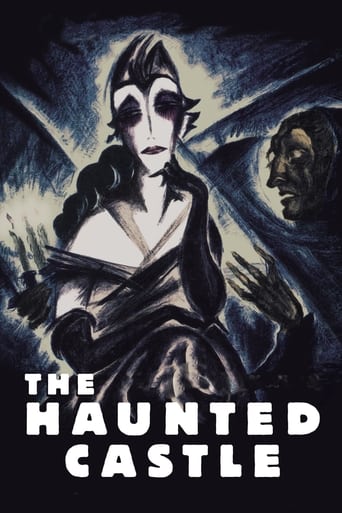
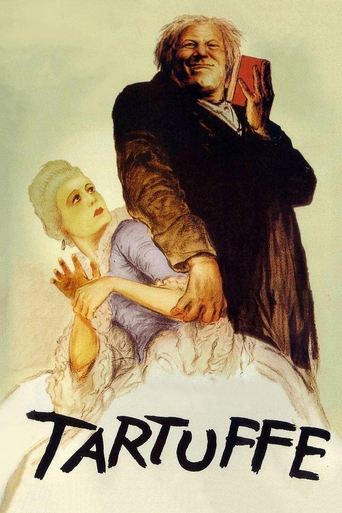
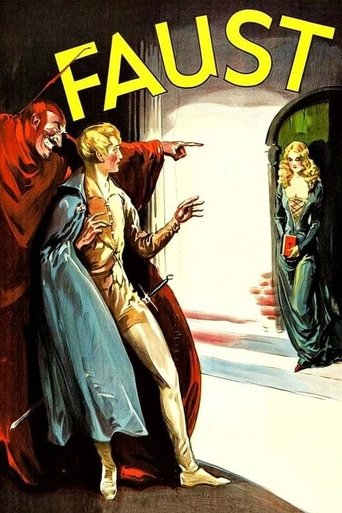


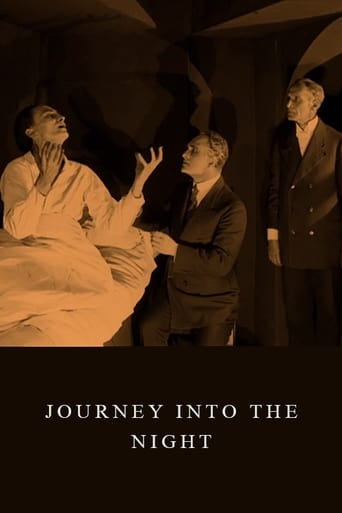
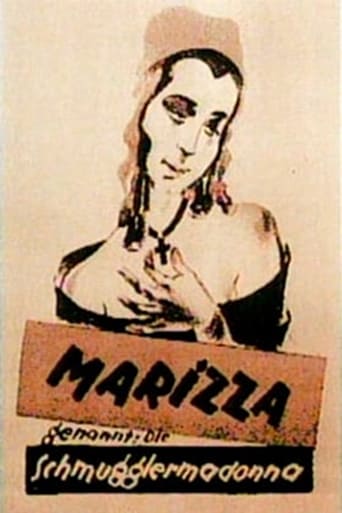
About F. W. Murnau
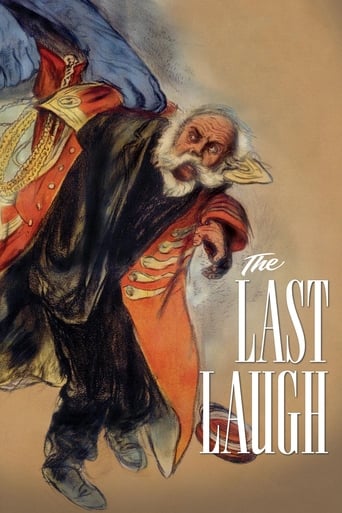
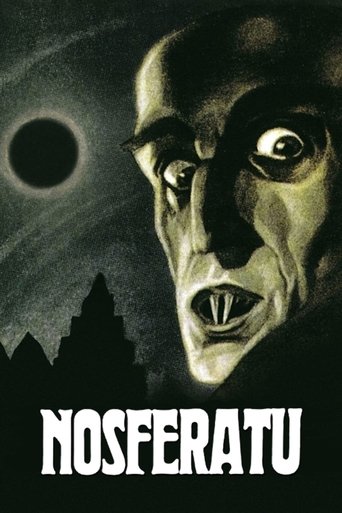
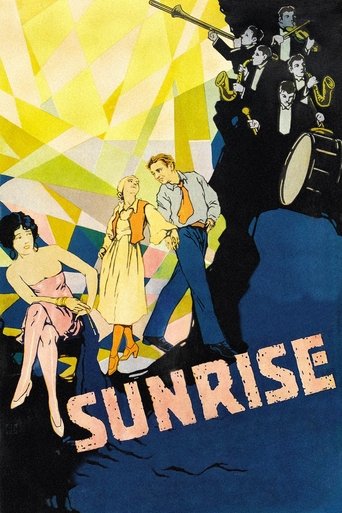
F.W. Murnau (Friedrich Wilhelm Plumpe) directed German Expressionist silents including Nosferatu (1922), The Last Laugh (1924), and Sunrise (1927), which won the first Academy Award for Best Unique and Artistic Production. After studying art history and serving as a World War I pilot, he moved to Hollywood in 1926 for Fox. He died in a car accident in Santa Barbara on March 11, 1931, aged 42, a week before Tabu's New York premiere.
The Craft
Behind the Camera
Murnau's directing style was characterized by revolutionary camera movement, German Expressionist visual aesthetics, and psychological depth. He pioneered techniques like the 'unchained camera' movement in 'The Last Laugh,' using tracking shots, crane shots, and subjective camera angles that were groundbreaking for silent cinema. His visual approach emphasized dramatic shadows, atmospheric lighting, and symbolic composition to convey emotional states and psychological themes. Murnau was known for his perfectionism, often demanding multiple takes and meticulous attention to visual detail, creating films that were both artistically ambitious and emotionally powerful.
Milestones
- Directed 'Nosferatu' (1922), a landmark horror film
- Created 'The Last Laugh' (1924) with its revolutionary camera techniques
- Won first Academy Award for Best Unique and Artistic Production for 'Sunrise' (1927)
- Led German Expressionist cinema in the 1920s
- Moved from German to Hollywood cinema in 1926
- Completed 'Tabu: A Story of the South Seas' (1931) just before his death
Best Known For
Must-See Films
Accolades
Won
- Academy Award for Best Unique and Artistic Production (1927/28) for 'Sunrise: A Song of Two Humans'
Nominated
- Academy Award nomination for Best Cinematography (1927/28) for 'Sunrise: A Song of Two Humans'
Special Recognition
- Star on the Hollywood Walk of Fame (located at 6300 Hollywood Boulevard)
- AFI's 100 Greatest American Films - 'Sunrise' ranked #82
- Preserved in the National Film Registry by the Library of Congress for 'Nosferatu' (1997), 'The Last Laugh' (1995), and 'Sunrise' (1989)
Working Relationships
Worked Often With
Studios
Why They Matter
Impact on Culture
F.W. Murnau fundamentally transformed the language of cinema through his innovative visual techniques and psychological storytelling. His use of camera movement, particularly in 'The Last Laugh,' established new possibilities for cinematic expression that influenced generations of filmmakers. 'Nosferatu' created the visual template for vampire cinema that persists to this day, while 'Sunrise' demonstrated how silent film could achieve profound emotional depth through visual poetry. Murnau's work bridged German Expressionism and Hollywood classicism, demonstrating how artistic innovation could coexist with popular appeal. His films' exploration of dark psychological themes, moral ambiguity, and human suffering added depth to cinema's thematic possibilities.
Lasting Legacy
Murnau's legacy endures through his continued influence on horror cinema, visual storytelling, and film artistry. 'Nosferatu' remains. His technical innovations, particularly in camera movement and lighting, became standard tools in cinema that directors continue to employ. The preservation of his major films in the National Film Registry testifies to their enduring cultural significance. Film scholars and cinephiles continue to study his work as exemplars of cinematic art, with 'Sunrise' often ranked among the greatest films ever made. His tragic early death has contributed to his mythic status as a visionary artist whose potential was never fully realized.
Who They Inspired
Murnau's influence extends across decades of cinema, from German Expressionism to modern horror and art films. His visual style influenced Alfred Hitchcock's use of shadows and psychological tension, while his camera techniques inspired Orson Welles' dynamic cinematography in 'Citizen Kane.' Horror directors from James Whale to Guillermo del Toro have drawn on 'Nosferatu' for atmospheric and visual inspiration. Werner Herzog's 1979 remake of 'Nosferatu' demonstrates Murnau's lasting impact on German cinema. Contemporary directors like Tim Burton and Timur Bekmambetov continue to reference his visual aesthetic. His approach to visual storytelling without dialogue influenced music video directors and commercial filmmakers who rely on purely visual communication.
Off Screen
Murnau was known to be gay or bisexual, though this was never publicly acknowledged during his lifetime due to the social attitudes of the era. He never married and had no children. He was known for his intense, sometimes difficult personality on set, driven by his artistic perfectionism. His personal life remained relatively private, though he was known to have close relationships with some of his male collaborators. His death in a car accident occurred while he was being driven by his 14-year-old Filipino servant, who survived the crash.
Education
Studied art history and literature at the University of Heidelberg and the University of Berlin; also attended the University of Munich where he met Max Reinhardt and became involved in theater
Did You Know?
- His stage name 'Murnau' came from the town of Murnau am Staffelsee in Bavaria, where he spent time recovering from World War I injuries
- 'Nosferatu' was an unauthorized adaptation of Bram Stoker's 'Dracula' and led to a lawsuit by Stoker's widow; most copies were ordered destroyed, but some survived
- He served as a pilot in the German Air Force during World War I and survived multiple crashes
- His film 'Sunrise' was.25 million in 1927
- Many of his early German films are considered lost, including his first film 'The Boy in Blue' (1919)
- He was known for his extreme perfectionism, sometimes shooting scenes dozens of times to achieve his vision
- His car accident occurred just one week before the premiere of 'Tabu' in New York City
- He was one of the first directors to use subjective camera angles to represent a character's point of view
- His collaboration with cinematographer Karl Freund revolutionized camera movement in cinema
- Despite his German heritage, he spoke fluent English and adapted well to Hollywood
- He was known to rewrite scripts extensively during filming, often changing storylines based on his artistic vision
In Their Own Words
The camera is the director's pencil. It should have the capacity to change its focus, its aperture, its speed. It should be able to move and be moved, to grow and diminish, to approach and withdraw.
I believe that the film is the greatest of all arts because it is the most comprehensive.
I want to make pictures that are not just pictures, but experiences.
The secret of film is that it's a visual medium. The story must be told in pictures, not words.
Art is not a mirror held up to reality but a hammer with which to shape it.
Frequently Asked Questions
Who was F.W. Murnau?
German silent-era director Friedrich Wilhelm Murnau (1888–1931). His credits include Nosferatu, The Last Laugh, and Sunrise, which won the first Academy Award for Best Unique and Artistic Production.
What films is F.W. Murnau best known for?
Titles linked here include Nosferatu (1922), The Last Laugh (1924).
When was F.W. Murnau born and when did he die?
Born December 28, 1888; died March 11, 1931.
What awards did F.W. Murnau win?
Murnau won the Academy Award for Best Unique and Artistic Production at the first Academy Awards ceremony in 1929 for 'Sunrise: A Song of Two Humans.' His films have also been preserved in the National Film Registry, and he received a star on the Hollywood Walk of Fame for his contributions to cinema.
What was F.W. Murnau's directing style?
Murnau's directing style was characterized by German Expressionist visual aesthetics, revolutionary camera movement, and psychological depth. He pioneered techniques like the 'unchained camera,' using tracking shots and subjective angles that were groundbreaking for his time. His films emphasized dramatic shadows, atmospheric lighting, and symbolic composition to convey emotional states and themes.