


Phantom
"Desire that outlives reason"
Keys: Space play/pause · ←/→ 10s · F fullscreen · M mute · </> speed
About this film
Berlin clerk Lorenz Lubota is struck by a carriage driven by the wealthy Veronika Harlan and falls into ruinous obsession. F.W. Murnau charts his moral collapse through expressionist cityscapes and a family tragedy that leaves him a broken wanderer.
Cast & crew
More films like this
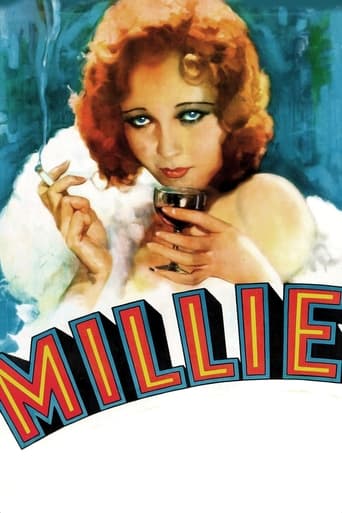
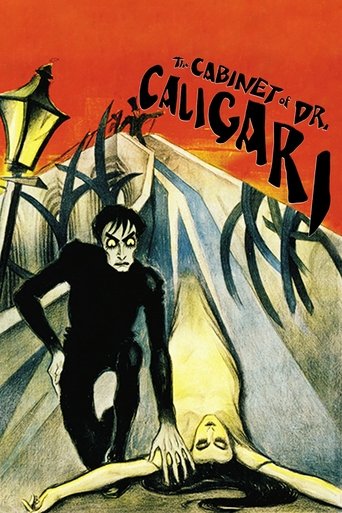
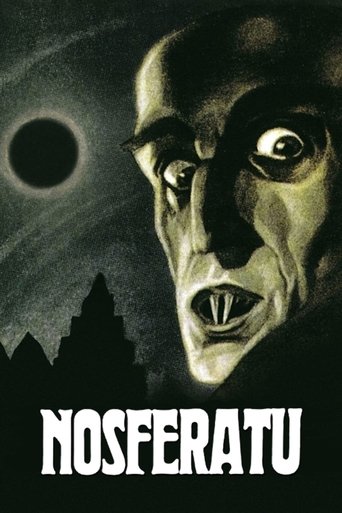
More Drama films
View all →






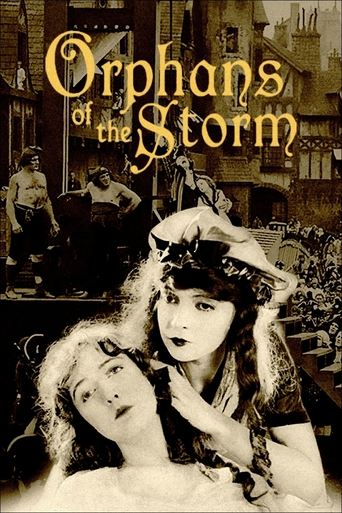
More from F. W. Murnau
View all →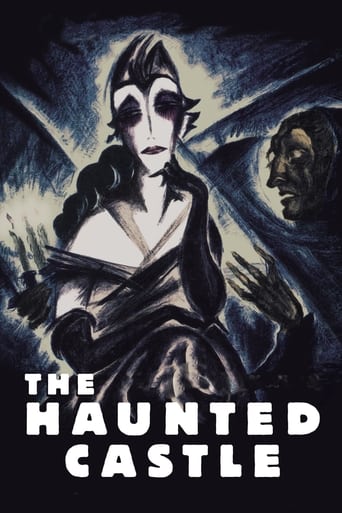
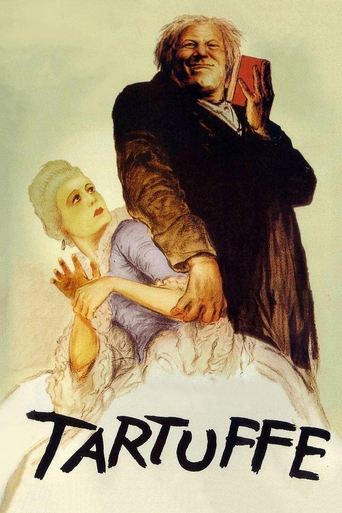
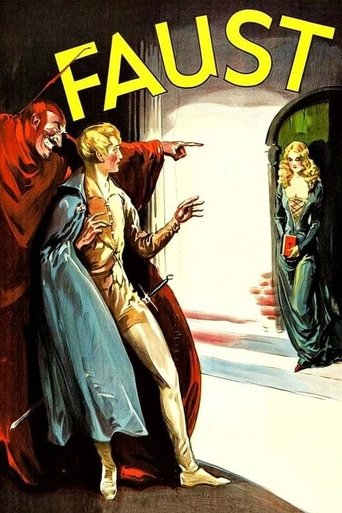
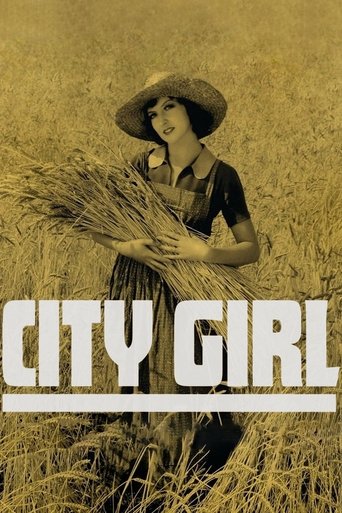
More about this film
About the production
Release dateNovember 13, 1922
Box officeBox office figures not well documented for German silent films of this period
ProductionDecla-Bioscop AG
Filmed inBerlin, Germany, Tempelhof Studios, Berlin
Filmed during the height of German Expressionism, utilizing dramatic lighting and distorted sets to reflect the protagonist's psychological state. The production faced economic challenges due to post-WWI inflation in Germany. Murnau employed innovative camera techniques including subjective camera movements and superimpositions to visualize Lubota's descent into madness.
Themes
Obsession and unrequited loveUrban alienation and modernityClass division and social mobilityPsychological disintegrationThe destructive nature of fantasy
Themes & topics
obsessionunrequited lovecity clerkcarriage accidentpsychological breakdownurban alienationclass differencesfamily neglectfinancial ruinmanipulationmadnessexpressionismsilent filmGerman cinemaWeimar Republic
Historical background
Phantom (1922) belongs to German Expressionism's peak year alongside Nosferatu and Dr. Mabuse, made amid Weimar inflation and urban alienation.
Why this film matters
Often overshadowed by Murnau's other 1922 titles, Phantom remains a key study in subjective camera work and psychological silent drama.
Making of
The production took place during a period of extreme economic instability in Germany, with hyperinflation affecting the film industry. Murnau worked closely with cinematographer Fritz Arno Wagner to create the film's distinctive visual style, using innovative lighting techniques that would become hallmarks of German Expressionism. The cast underwent extensive preparation, with Murnau insisting on realistic performances despite the film's stylized visuals. The famous chariot accident scene required multiple takes and careful coordination to achieve the desired dramatic effect while ensuring actor safety. Post-production involved elaborate tinting processes, with different scenes colored to reflect emotional states - blue for night scenes, amber for daylight, and red for moments of intense passion or danger.
What critics said
German critics praised its visual daring; later writers value it for anticipating film noir's guilt-ridden protagonists.
Did you know?
- This was one of three films F.W. Murnau directed in 1922, alongside his more famous 'Nosferatu' and 'The Burning Earth'
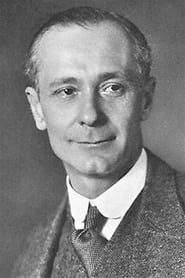
- Alfred Abel, who plays Lorenz Lubota, would later star as Joh Fredersen in Fritz Lang's 'Metropolis' (1927)
- The film is based on the novel 'Phantom' by Gerhart Hauptmann, who won the Nobel Prize in Literature in 1912
- The chariot scene was considered particularly daring for its time, requiring complex camera movements and careful choreography
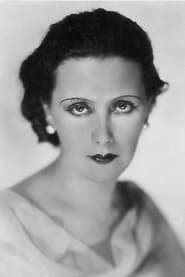
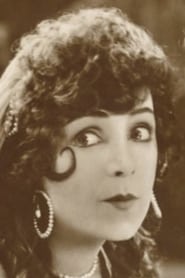
- Lil Dagover, who plays Veronika Harlan, was one of Germany's biggest silent film stars and worked frequently with Murnau
- The film's visual style heavily influenced later film noir and psychological thriller genres
- Original German title cards were designed in an expressionistic style to match the film's visual aesthetic
- The film was considered lost for decades before a complete print was discovered in the 1970s
- Murnau used forced perspective and distorted set designs to create the sense of psychological disorientation
- The film's themes of urban alienation reflected the social conditions in Weimar Republic Germany
Visual style
Fritz Arno Wagner's cinematography exemplifies German Expressionist visual style with dramatic chiaroscuro lighting, distorted camera angles, and innovative use of shadows. The film employs subjective camera techniques to visualize Lubota's psychological state, including dizzying tracking shots and disorienting compositions. Wagner uses superimposition and double exposure to create dream sequences and hallucinations. The urban landscapes are rendered as menacing, labyrinthine spaces through clever set design and camera positioning. Night scenes are shot through filters to create an eerie blue tint, while moments of passion are bathed in warm amber tones. The cinematography emphasizes verticality and claustrophobia to reflect the protagonist's psychological entrapment.
Innovations
Phantom pioneered several technical innovations that would become standard in cinema. The film's use of subjective camera movement to represent psychological states was groundbreaking for its time. Murnau and Wagner developed techniques for creating dream sequences using superimposition and in-camera effects. The production employed elaborate forced perspective sets to create distorted urban environments. The film's lighting techniques, particularly the use of shadows to represent psychological states, influenced the development of film noir. The chariot accident sequence required innovative camera mounting and movement techniques. The film's editing style, particularly in montage sequences representing Lubota's mental breakdown, was unusually sophisticated for the period.
Music
As a silent film, Phantom was originally accompanied by live musical performance in theaters. The original score was composed by Giuseppe Becce, one of Germany's most prolific film composers of the silent era. The music utilized leitmotifs for different characters and emotional states, with Wagnerian influences reflecting the German musical tradition. Modern restorations have been accompanied by newly commissioned scores from composers including Timothy Brock and the Alloy Orchestra. These contemporary scores attempt to balance period authenticity with modern sensibilities, often incorporating elements of atonal and experimental music to match the film's expressionistic visuals. The original music cues and synchronization instructions have been preserved in some archives, allowing for historically informed performances.
Famous quotes
Sometimes the phantoms we create are more real than the world around us
In the city of shadows, even daylight brings no clarity
To love what cannot be had is to dance with madness itself
The streets remember everything, especially what we try to forget
Some obsessions are stronger than death itself
Memorable scenes
- The opening sequence showing Lubota's mundane morning routine contrasted with his inner fantasies
- The dramatic chariot accident where Lubota first sees Veronika, filmed with innovative camera movement
- The expressionistic dream sequence where Lubota pursues Veronika through distorted urban landscapes
- The climactic breakdown scene in the rain, using superimposition to show Lubota's psychological disintegration
- The final scene showing Lubota as a phantom figure wandering through Berlin's streets
What audiences thought
Initial audience reception in Germany was positive, with viewers responding to the film's emotional intensity and visual spectacle. The film performed well commercially in German theaters, though it did not achieve the international success of some other German Expressionist films. Modern audiences, particularly through revival screenings and home video releases, have come to appreciate the film's sophisticated psychological narrative and visual artistry. The film has developed a cult following among silent film enthusiasts and cinema scholars. Contemporary viewers often note how surprisingly modern the film's psychological themes and visual techniques feel despite being a century old.
Film connections
Influenced by
- German Expressionist painting
- Sigmund Freud's psychoanalytic theories
- Gerhart Hauptmann's novel
- Urban literature of the Weimar period
- Gothic romance traditions
- German Romanticism
- Post-WWI German trauma narratives
This film influenced
- Sunrise: A Song of Two Humans (1927)
- M (1931)
- The Cabinet of Dr. Caligari (1920)
- Film noir of the 1940s-50s
- Vertigo (1958)
- Repulsion (1965)
- Taxi Driver (1976)
- The Shining (1980)
- Black Swan (2010)
- Phantom Thread (2017)
Film restoration
The film was believed lost for decades until a complete nitrate print was discovered in the 1970s at the Cinémathèque Française. The film has since been restored by the Friedrich Wilhelm Murnau Foundation and various archives including the Museum of Modern Art. Multiple restoration versions exist, with the most complete being the 2006 restoration by the F.W. Murnau Foundation, which runs 85 minutes. Some original tinting has been recreated based on surviving distribution materials. The film is now considered well-preserved with high-quality digital transfers available for archival and commercial use.
Where to watch
- Available on Blu-ray from The Criterion Collection
- Streaming on The Criterion Channel
- Available on DVD from Kino Lorber
- Can be accessed through various streaming services specializing in classic cinema
- Available for viewing at film archives including the Museum of Modern Art and the British Film Institute
- Occasionally screened at revival cinemas and film festivals specializing in silent cinema