
Adolf Klein
Actor
Born: June 15, 1857 in Vienna, Austria-Hungary (now Austria) Died: May 10, 1929 Active: 1870s-1929
Films
3 films
About Adolf Klein
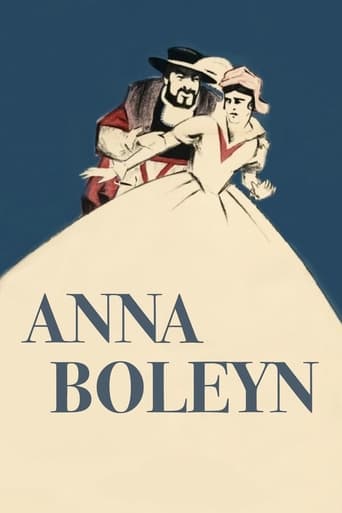
Austrian-born actor who achieved prominence in both German theater and silent cinema during the late 19th and early 20th centuries. Beginning his career on the Viennese stage in the 1870s, Klein established himself as a formidable character actor known for his commanding presence and versatility in classical roles. He transitioned successfully to the burgeoning German film industry in the 1910s, bringing with him the gravitas and technique developed through decades of theatrical experience. Klein appeared in over 80 silent films between 1913 and 1928, often portraying aristocrats, authority figures, and patriarchal characters with remarkable depth and authenticity. His collaborations with directors such as Ernst Lubitsch in 'Anna Boleyn' (1920) and F.W. Murnau in 'Phantom' (1922) showcased his ability to adapt theatrical techniques to the new medium of cinema. Despite advancing age, Klein continued working steadily through the 1920s, contributing to the golden age of German Expressionist cinema. His the entire evolution of German cinema from its primitive beginnings to its artistic peak, making him a living bridge between theatrical traditions and cinematic innovation. Klein's final years were spent in Berlin where he remained active in the film community until his death in 1929.
The Craft
On Screen
Klein's acting style was rooted in classical theatrical tradition, characterized by grand gestures, expressive facial contortions, and commanding vocal projection that translated effectively to silent cinema. He possessed remarkable range, capable of portraying both menacing villains and benevolent authority figures with equal conviction. His technique emphasized psychological depth through subtle variations in posture and expression, allowing him to convey complex emotions without dialogue. Klein's approach was particularly suited to the Expressionist movement, where exaggerated physicality and emotional intensity were valued. He maintained a dignified presence even in melodramatic roles, bringing credibility to characters that might otherwise seem caricatured.
Milestones
- Stage debut in Vienna theaters (1870s)
- Transition to German silent film industry (1913)
- Role in Ernst Lubitsch's 'Anna Boleyn' (1920)
- Collaboration with F.W. Murnau in 'Phantom' (1922)
- Over 80 film appearances in 15-year film career
- Recognition as one of Germany's most respected character actors
Best Known For
Iconic Roles
Must-See Films
Accolades
Special Recognition
- Recognized as one of German cinema's most character actors
- Honored for contributions to German Expressionist cinema
- Posthumous recognition in film history archives
Working Relationships
Worked Often With
Studios
Why They Matter
Impact on Culture
Adolf Klein played a significant role in bridging the gap between 19th-century theatrical traditions and 20th-century cinematic innovation in Germany. His successful transition from stage to screen helped legitimize film as an art form worthy of serious theatrical talent, encouraging other established stage actors to embrace the new medium. Klein's work in German Expressionist cinema contributed to the movement's international recognition, particularly in films that showcased the psychological depth and visual sophistication of German filmmaking. His portrayals of authority figures and historical characters helped establish archetypes that would influence cinema worldwide, from Hollywood costume dramas to European art films. Klein represented the artistic sophistication of Weimar-era cinema, demonstrating how classical training could enhance rather than hinder cinematic expression.
Lasting Legacy
Adolf Klein's legacy endures through his extensive filmography, which serves as a valuable record of German silent cinema's artistic achievements. His performances in landmark films like 'Anna Boleyn' and 'Phantom' continue to be studied by film scholars and historians interested in the transition from theatrical to cinematic acting techniques. Klein exemplified the character actor who elevated supporting roles to the level of art, demonstrating the importance of ensemble performance in creating cinematic masterpieces. His work helped establish Germany as a cinematic powerhouse during the 1920s, influencing filmmakers and actors internationally. Though many of his films have been lost to time, those that survive testify to his remarkable talent and the sophistication of German silent cinema at its peak.
Who They Inspired
Klein influenced generations of character actors through his demonstration of how theatrical technique could be adapted for the camera without losing its power or subtlety. His work in Expressionist cinema showed how exaggerated performance styles could serve psychological storytelling rather than mere melodrama. Younger German actors studied his methods for conveying complex emotions through physical expression, a skill particularly valuable in silent film. International actors who worked in German cinema during the 1920s learned from his example of bringing dignity and depth to supporting roles. His approach to character development influenced the evolution of film acting from broad pantomime to more nuanced psychological performance.
Off Screen
Adolf Klein maintained a relatively private personal life despite his public prominence. He married fellow actress Rosa Porten, sister of famous German actress Henny Porten, creating a theatrical dynasty within German entertainment circles. The couple had several children who also entered the entertainment industry. Klein was known for his intellectual pursuits outside of acting, including literature and classical music. He was a respected member of Berlin's cultural elite during the Weimar period, hosting salons that brought together artists, writers, and filmmakers. His later years were marked by declining health, though he continued working until shortly before his death.
Education
Classical theatrical training in Vienna, likely attended conservatory or drama school in the 1870s
Family
- Rosa Porten (1895-1929)
Did You Know?
- Was already in his 50s when he began his film career, making him one of the older actors to successfully transition from stage to silent cinema
- Appeared in over 80 films in just 15 years, an impressive output for a character actor of his generation
- His wife Rosa Porten came from one of Germany's most prominent theatrical families
- Worked with nearly every major German director of the silent era
- Many of his films have been lost, making surviving examples particularly valuable to film historians
- Was known for his remarkable memory, able to recall lengthy classical texts and dialogue
- Continued acting despite failing health in his final years
- His active years covered the entire development of German cinema from primitive shorts to sophisticated features
- Was particularly admired by younger actors for his professionalism and dedication to craft
- His death in 1929 meant he just missed the transition to sound films in Germany
In Their Own Words
The stage teaches you truth, but film teaches you intimacy with that truth
Every character, whether king or commoner, deserves the same respect from the actor
The camera sees what the audience cannot - the truth behind the mask
In silence, the actor must learn to speak with every muscle of the body
Frequently Asked Questions
Who was Adolf Klein?
Austrian-born with credits in this catalog. He appeared in over 80 silent films and was known for portraying authority figures and aristocrats with remarkable depth and authenticity.
What films is Adolf Klein best known for?
Titles linked here include Anna Boleyn (1920), Phantom (1922).
When was Adolf Klein born and when did he die?
Born June 15, 1857; died May 10, 1929.
What awards did Adolf Klein win?
Formal awards were rare during the silent film era, so Adolf Klein did not receive the types of cinematic honors common today. However, he was recognized as one of Germany's most respected character actors and received posthumous recognition for his contributions to German Expressionist cinema.
What was Adolf Klein's acting style?
Klein's acting style was rooted in classical theatrical tradition, characterized by grand gestures and expressive facial contortions that translated effectively to silent cinema. He emphasized psychological depth through subtle variations in posture and expression, bringing theatrical gravitas to his film roles while adapting to the camera's intimate perspective.