
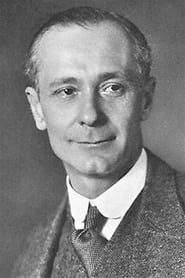
Alfred Abel
Actor
Born: March 12, 1879 in Leipzig, Germany Died: December 12, 1937 Active: 1913-1937
Films
7 films


About Alfred Abel
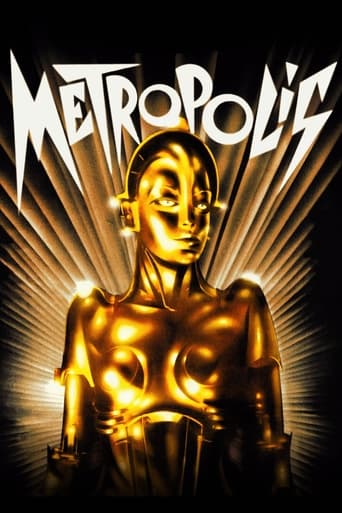
German film actor who became recognizable faces of German Expressionist cinema during the Weimar Republic era. Beginning his career on stage in the early 1900s, Abel transitioned to film around 1913 and quickly established himself as a versatile character actor capable of playing both aristocratic gentlemen and sinister villains. He worked extensively with Germany's most celebrated directors, including Fritz Lang, F.W. Murnau, and Ernst Lubitsch, appearing in over 140 films throughout his career. Abel's most memorable performance came as Joh Fredersen, the powerful industrialist in Fritz Lang's science fiction masterpiece 'Metropolis' (1927), which cemented his place in cinema history. Despite the transition to sound films, Abel continued working successfully through the early 1930s, though his career diminished during the Nazi regime. He remained active in German cinema until his death in 1937, leaving behind a legacy as one of Germany's most respected and prolific character actors of the silent era.
The Craft
On Screen
Alfred Abel was known for his aristocratic bearing and commanding screen presence, which made him particularly effective in roles of authority, wealth, and power. His acting style combined the theatrical traditions of his stage background with the more subtle techniques required for film, allowing him to convey complex emotions through minimal gestures and facial expressions. Abel possessed remarkable versatility, equally convincing as romantic leads, sinister villains, and complex authority figures. His performances often featured a restrained intensity that perfectly suited the psychological depth of German Expressionist cinema, where characters' inner turmoil was as important as their external actions.
Milestones
- Breakthrough role in German Expressionist cinema during the 1920s
- Iconic performance as Joh Fredersen in Fritz Lang's 'Metropolis' (1927)
- Collaboration with legendary director Fritz Lang on multiple films
- Leading roles in F.W. Murnau's 'Phantom' (1922)
- Extensive stage career before transitioning to film
- Successful transition from silent films to early sound films
Best Known For
Iconic Roles
Must-See Films
Accolades
Special Recognition
- Star on the Boulevard der Stars in Berlin (posthumous honor)
Working Relationships
Worked Often With
Studios
Why They Matter
Impact on Culture
Alfred Abel's portrayal of Joh Fredersen in 'Metropolis' became an archetypal representation of the powerful, emotionally detached industrialist, influencing countless subsequent performances in science fiction and dystopian cinema. His work in German Expressionist films contributed significantly to the visual and thematic language of cinema, particularly in the depiction of psychological complexity and social commentary. Abel's performances helped establish the character actor as a crucial element in German cinema's golden age, demonstrating how supporting roles could carry as much thematic weight as leads. His aristocratic presence and versatile acting range provided a template for the sophisticated European actor archetype that would influence international cinema for decades.
Lasting Legacy
Alfred Abel's legacy endures primarily through his iconic performance in 'Metropolis,' which remains. His body of work represents the pinnacle of German Expressionist cinema, a period that fundamentally changed the artistic possibilities of film as a medium. Abel is remembered as a consummate professional who bridged the gap between theatrical acting traditions and the new demands of cinema, helping to establish more naturalistic acting styles that would become standard in sound films. His collaborations with Germany's greatest directors resulted in some of the most artistically significant films of the silent era, ensuring his place in cinema history as.
Who They Inspired
Alfred Abel influenced subsequent generations of German actors through his demonstration of how to convey complex psychological states with subtlety and restraint. His work in Expressionist cinema helped establish techniques for portraying inner turmoil and moral ambiguity that would become staples of modern film acting. Abel's ability to play both sympathetic and antagonistic characters with equal conviction influenced the development of more nuanced character archetypes in international cinema. His successful transition from silent films to talkies provided a model for other actors facing the technological revolution in filmmaking during the late 1920s and early 1930s.
Off Screen
Alfred Abel came from a middle-class family in Leipzig and initially pursued a career in business before turning to the arts. He was married to actress Elisabeth Linder, with whom he had a daughter who also became an actress. Abel was known for his dedication to his craft and maintained a professional reputation throughout his career, avoiding the scandals that plagued many of his contemporaries. He was well-respected within the German film community for his reliability and versatility as an actor. Despite his success, Abel remained relatively private about his personal life, focusing public attention on his work rather than his private affairs.
Education
Initially trained for business before pursuing acting studies in Leipzig and Berlin
Family
- Elisabeth Linder (married date unknown)
Did You Know?
- Alfred Abel appeared in over 140 films during his 24-year career
- He was originally trained for a business career before discovering his passion for acting
- His role in 'Metropolis' was one of his last major silent film performances
- Abel was fluent in multiple languages, which helped him work in international productions
- He continued acting successfully during the transition to sound films, unlike many of his contemporaries
- Abel's aristocratic appearance made him a frequent choice for roles involving nobility or wealth
- He worked with virtually every major German director of the silent era
- Despite his prominence, relatively few of his films survive in complete form today
- Abel was one of the few German actors who maintained international recognition during the Nazi era
- His daughter followed in his footsteps and became an actress, though she never achieved his level of fame
In Their Own Words
The camera does not lie, but it can be made to tell the truth in many different ways.
In the silent era, we had to speak with our eyes and our hands; now we must learn to speak with our voices while still speaking with our souls.
Playing the villain is often more interesting than playing the hero, for the villain has reasons for his actions that the hero may never understand.
Frequently Asked Questions
Who was Alfred Abel?
Prominent German with credits in this catalog. He appeared in over 140 films and worked with most major German directors of his time.
What films is Alfred Abel best known for?
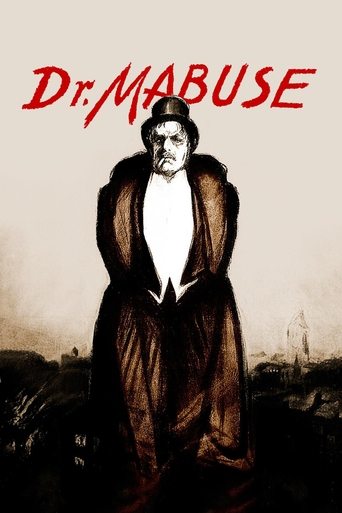
Titles linked here include Metropolis (1927), Dr. Mabuse, the Gambler (1922).
When was Alfred Abel born and when did he die?
Born March 12, 1879; died December 12, 1937.
What awards did Alfred Abel win?
While formal acting awards were less common during Abel's era, he received posthumous recognition including a star on the Boulevard der Stars in Berlin. His primary recognition comes from his lasting impact on cinema history through his influential performances.
What was Alfred Abel's acting style?
Alfred Abel was known for his aristocratic bearing and commanding screen presence, combining theatrical traditions with subtle film techniques. He excelled at conveying complex emotions through minimal gestures and was particularly effective in roles of authority and power.
Did Alfred Abel work in sound films?
Yes, Alfred Abel successfully transitioned from silent films to sound films, appearing in several talkies during the early 1930s. His versatile acting style allowed him to adapt to the new medium, though his most famous work remains in silent cinema.
What was Alfred Abel's most famous role?
Alfred Abel's most famous role was Joh Fredersen, the powerful industrialist in Fritz Lang's groundbreaking science fiction film 'Metropolis' (1927). This performance has become iconic in cinema history and represents the pinnacle of his career.