
Die Flamme
"Woman marries aristocrat."
Keys: Space play/pause · ←/→ 10s · F fullscreen · M mute · </> speed
About this film
In 19th century Paris a hedonistic woman marries an aristocrat but has trouble keeping faithful to him.
Cast & crew
More films like this
More Drama films
View all →







More from Ernst Lubitsch
View all →
More about this film
About the production
Release dateDecember 1923
ProductionUFA (Universum Film AG)
Filmed inBerlin, Germany, UFA Studios, Babelsberg
Filmed during the peak of German hyperinflation in 1923, which dramatically increased production costs. The elaborate Parisian sets were constructed at UFA's state-of-the-art Babelsberg studios, showcasing the technical prowess of German cinema. Pola Negri's star status commanded top billing and significant creative input. This production marked the final collaboration between Lubitsch and Negri before both departed for Hollywood careers.
Themes
Passion versus conventionSocial mobility and classSexual freedom and moralityThe price of social statusFemale agency in patriarchal society
Themes & topics
Historical background
The 1923 release of Die Flamme belongs to its era's exhibition habits rather than today's franchise model.
Why this film matters
Reference works on 1923 cinema cite Die Flamme when tracing genre and regional production patterns.
Making of
The production took place at UFA's elaborate studio complex in Babelsberg, which was among the leading advanced film facilities in the world at the time. Lubitsch, already a master of visual storytelling, employed sophisticated camera techniques and lighting that would influence his later Hollywood work. The set design recreated 19th century Paris with remarkable detail, including authentic period costumes and props. Pola Negri, who was involved in a highly publicized relationship with Charlie Chaplin during this period, brought tremendous star power to the production. The film was shot during one of Germany's most economically unstable periods, yet the production values remained exceptionally high. Lubitsch's direction emphasized subtle visual storytelling over melodramatic acting, a technique that would become his trademark. The cast and crew worked under challenging conditions due to the economic crisis, but their dedication resulted in a technically polished and artistically sophisticated film.
What critics said
Audience data from 1923 is sparse; reception for Die Flamme is inferred from reissue and archival interest.
Did you know?
- This was Ernst Lubitsch's final German film before his move to Hollywood, where he would become widely praised directors of the Golden Age
- Pola Negri was one of the highest-paid actresses in the world at the time, earning approximately $3,000 per week
- The film was also known internationally as 'The Flame' and under various other titles depending on the market
- Production coincided with the height of the Weimar Republic's hyperinflation crisis, when the German mark became virtually worthless
- The elaborate costumes and sets represented some of the most expensive production values in German cinema at the time
- helped establish the 'Lubitsch Touch' - the director's signature style of sophisticated wit and visual elegance
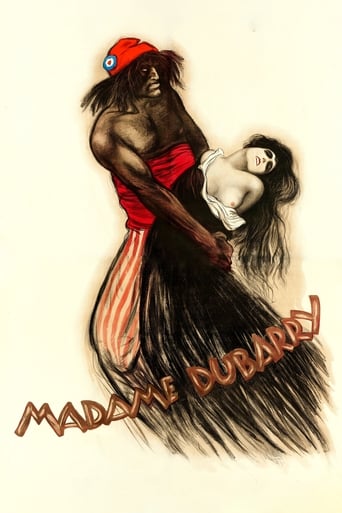
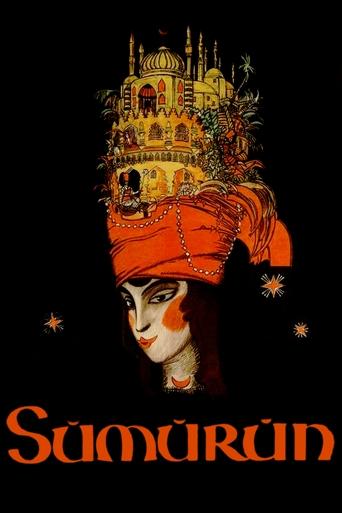
- Pola Negri and Lubitsch had previously collaborated on several successful films including 'Madame DuBarry' (1919) and 'Sumurun' (1920)
- The film's themes of sexual freedom and moral ambiguity were quite bold for 1923, reflecting the more liberal attitudes of the Weimar era
- UFA invested heavily in this production as part of their strategy to compete with Hollywood films in international markets
- The film's international success helped launch the Hollywood careers of both Lubitsch and Negri
Visual style
The cinematography, likely executed by UFA's skilled camera department, showcased the sophisticated visual style that made German cinema internationally renowned in the 1920s. The film employed elegant camera movements and dramatic lighting to create atmosphere and enhance emotional storytelling. The visual design emphasized the contrast between the glittering, decadent world of Parisian high society and the more intimate, emotionally charged moments between characters. The cinematography utilized the technical capabilities of UFA's studios to create rich, textured images that conveyed both the opulence of the setting and the psychological depth of the characters. The lighting techniques, particularly in the cabaret and intimate scenes, demonstrated the artistic sophistication of German filmmaking during this period. The visual style balanced realism with theatrical elegance, creating a distinctive look that would influence Lubitsch's later Hollywood work.
Innovations
The film showcased the technical sophistication of UFA studios, particularly in its elaborate set design and cinematography. The recreation of 19th century Paris demonstrated the remarkable production values possible in German cinema at the time, including detailed street scenes, opulent interiors, and authentic period costumes. The film's lighting techniques and camera work represented the high technical standards of German filmmaking in the 1920s, utilizing artificial lighting to create mood and atmosphere with artistic precision. The production employed advanced filming techniques for the era, including complex camera movements and sophisticated editing to enhance narrative flow. These technical achievements contributed to the film's international appeal and demonstrated why German cinema was considered technically superior to many contemporaneous productions.
Music
As a silent film, 'Die Flamme' would have been accompanied by live musical performance in theaters during its original run. The musical accompaniment would typically have been provided by theater orchestras or organists, using a combination of classical pieces and popular music appropriate to the dramatic scenes. While the original score is not documented, the music would have emphasized the film's romantic and dramatic elements, particularly during the passionate encounters between characters. The cabaret scenes would have featured period-appropriate music to enhance the authenticity of the Parisian setting. Modern screenings of the film typically use newly composed scores or carefully selected classical music that reflects the film's emotional arc and historical period.
Famous quotes
Love is a flame that burns all conventions
In Paris, passion is the only law that matters
A woman's heart is a kingdom with many subjects
Memorable scenes
- The opening cabaret sequence introducing Yvette's seductive performance
- The lavish wedding ceremony between Yvette and Count Adelbert
- The secret rendezvous between Yvette and Pierre in the Parisian gardens
- The dramatic confrontation scene where infidelities are exposed
- The final resolution showing the consequences of Yvette's choices
What audiences thought
The film was successful with audiences both in Germany and internationally, benefiting from Pola Negri's immense star power and Lubitsch's growing reputation as a master director. German audiences appreciated the film's sophisticated approach to familiar melodramatic themes, while international viewers were drawn to its exotic Parisian setting and glamorous lead actress. The combination of passion, intrigue, and social commentary appealed to cinema audiences of the 1920s who were increasingly drawn to more complex adult narratives. The film's box office success helped cement both Lubitsch's and Negri's reputations as major figures in world cinema and contributed to their subsequent recruitment by Hollywood studios. Audience response was particularly enthusiastic about Negri's performance, which showcased the charisma and intensity that made her one of the era's biggest international stars.
Film connections
Influenced by
- European melodrama tradition
- German theatrical conventions
- Contemporary French literature
- Earlier Lubitsch films
- German Expressionist cinema
This film influenced
- The Marriage Circle (1924)
- So This Is Paris (1926)
- The Patriot (1928)
- Trouble in Paradise (1932)
- Design for Living (1933)
Film restoration
The preservation status of 'Die Flamme' is unclear from available sources. While many German films from this period have been lost, given Lubitsch's historical importance and the film's significance in his filmography, preservation efforts may have been undertaken. Complete information about existing prints or restoration status is not readily available in current archives.
Where to watch
- Film archives specializing in German cinema
- Museum collections with Weimar film holdings
- Specialty distributors of classic films
- Occasional screenings at film festivals and cinematheques
- Academic institutions with film studies programs