
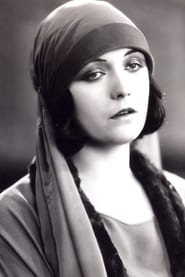
Pola Negri
Actor
Born: January 3, 1897 in Biała Podlaska, Poland Died: August 1, 1987 Active: 1914-1964 Birth Name: Apolonia Maria Wagner
Films
13 films
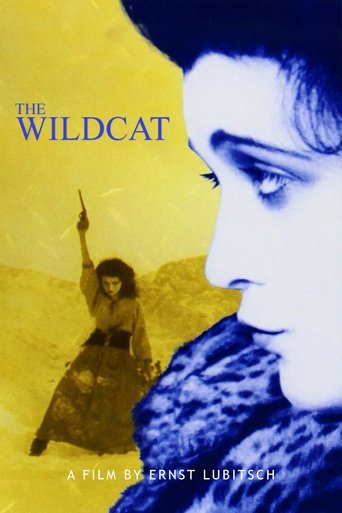


About Pola Negri
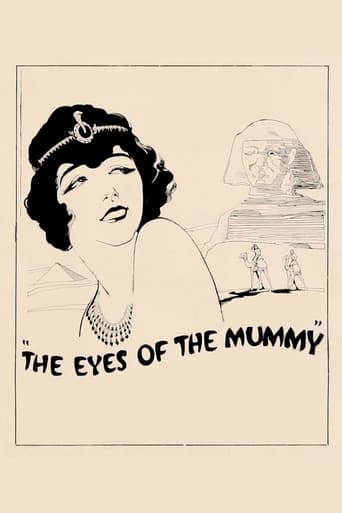
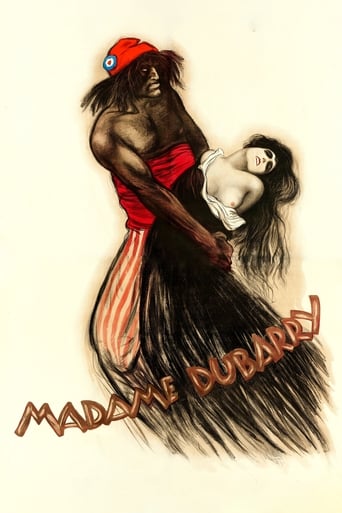
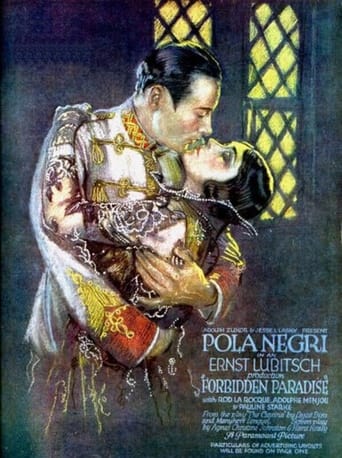
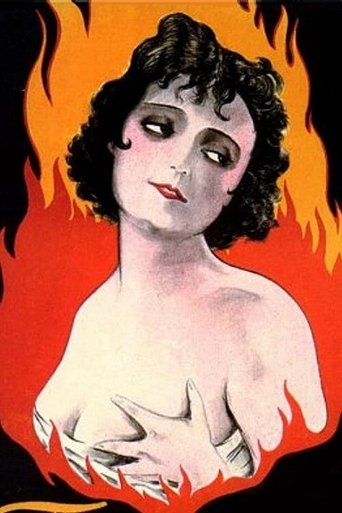
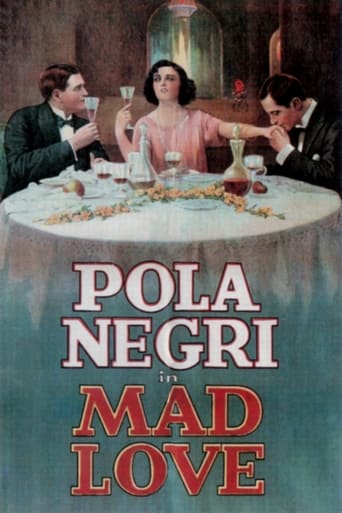
Pola Negri, born Apolonia Maria Wagner, was a Polish actress who became European film stars of the silent era before conquering Hollywood. She began her career in Warsaw and Berlin, where her exotic beauty and passionate acting style caught the attention of director Ernst Lubitsch, who made her his muse in films like 'The Eyes of the Mummy' and 'Madame DuBarry'. Her success in German cinema led to a lucrative contract with Paramount Pictures in 1922, making her one of the first European actresses to achieve major stardom in America. Negri specialized in playing vamp roles and femme fatales, captivating audiences with her dramatic intensity and glamorous persona. She was the highest-paid actress of her era, earning $7,000 per week at the height of her fame. With the advent of sound films, her career declined due to her thick Polish accent, though she continued appearing in films through the 1930s and made a brief comeback in the 1940s. She spent her later years in San Antonio, Texas, where she lived in relative obscurity until her death in 1987, leaving behind a legacy as one of cinema's first international sex symbols.
The Craft
On Screen
Pola Negri was known for her highly dramatic and passionate acting style, characterized by intense emotional expression and exaggerated gestures typical of silent film performance. She specialized in playing exotic femme fatales and vamps, using her smoldering gaze and theatrical movements to convey sensuality and danger. Her performances were marked by a magnetic screen presence that combined European sophistication with raw emotional intensity, making her particularly effective in melodramatic roles. Despite the theatrical nature of silent film acting, Negri brought a unique authenticity to her portrayals, often drawing on her own experiences as an outsider in Hollywood.
Milestones
- Discovered by Ernst Lubitsch in Warsaw (1917)
- Starred in 'Madame DuBarry' (1919) which became an international success
- Signed with Paramount Pictures (1922) becoming Hollywood's first European star
- Became highest-paid actress of the silent era at $7,000/week
- Famous romance with Rudolph Valentino (1926)
- Successfully transitioned from European to Hollywood cinema
- Made comeback in 'The Moon-Spinners' (1964)
Best Known For
Iconic Roles
Must-See Films
Accolades
Won
- Photoplay Medal of Honor (1924)
- Star on Hollywood Walk of Fame (1960)
Nominated
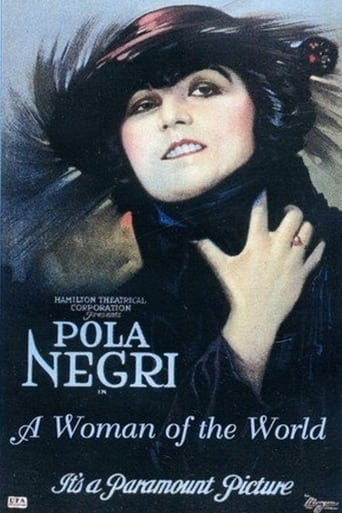
- Academy Award nomination consideration for 'A Woman of the World' (1925) - pre-Oscar era
Special Recognition
- Hollywood Walk of Fame Star at 6933 Hollywood Blvd
- Polish State Award for Contribution to Cinema (1936)
- San Antonio Film Society Lifetime Achievement Award (1985)
Working Relationships
Worked Often With
Studios
Why They Matter
Impact on Culture
Pola Negri revolutionized Hollywood's perception of foreign actresses, proving that European stars could achieve massive success in American cinema. She introduced the concept of the exotic, dangerous femme fatale to mainstream audiences, creating a template that would influence countless actresses who followed. Her glamorous lifestyle and dramatic personal life helped establish the modern concept of movie star celebrity, with her fashion choices and personal relationships becoming major media events. Negri's success challenged Hollywood's preference for American-born stars and opened doors for international talent, contributing to the globalization of cinema. Her portrayal of strong, sexually confident women was ahead of its time and helped expand the range of acceptable female characters in film.
Lasting Legacy
Pola Negri's legacy endures as one of cinema's first true international superstars and a figure for women in film. She demonstrated that actresses could command salaries equal to their male counterparts, negotiating contracts that made her one of the highest-paid performers of her era. Her films remain important examples of German Expressionist cinema and early Hollywood melodrama, with 'Madame DuBarry' frequently studied in film history courses. Negri's influence can be seen in later actresses who specialized in femme fatale roles, from Marlene Dietrich to Sharon Stone. Her autobiography 'Memoirs of a Star' (1970) provides valuable insights into early Hollywood and the transition from silent to sound films. Today, film historians recognize her as a crucial figure in the internationalization of cinema and a trailblazer for foreign-born performers in Hollywood.
Who They Inspired
Pola Negri directly influenced the careers of numerous European actresses who followed her to Hollywood, most notably Marlene Dietrich and Greta Garbo, who benefited from the path she blazed. Her dramatic acting style and femme fatale persona became archetypes that would be referenced and reinterpreted throughout cinema history. Directors like Josef von Sternberg incorporated elements of her screen presence into their work with other actresses. Her success in negotiating high salaries and creative control influenced how subsequent stars approached studio contracts. The glamour and mystery she cultivated inspired the Hollywood star system's approach to building and maintaining celebrity images. Contemporary actresses who play seductive, dangerous characters owe a debt to Negri's work in establishing this archetype.
Off Screen
Pola Negri's personal life was as dramatic as her film roles, marked by high-profile romances and international intrigue. She had a legendary but brief engagement to Hollywood icon Rudolph Valentino, which ended with his sudden death in 1926, leading to her dramatic public mourning that included fainting at his funeral. She also had a well-publicized affair with Charlie Chaplin and relationships with several wealthy industrialists. During World War II, she was accused of Nazi sympathies due to her continued work in German films, though these claims were later disproved. She married Hungarian actor Count Eugene Dabrowski in 1919, but the marriage lasted only one year. In her later years, she lived quietly in San Antonio, Texas, with her companion Margaret West, and rarely gave interviews about her glamorous past.
Education
Attended Imperial Ballet School in Warsaw but was expelled due to her petite stature; later studied acting at Warsaw Imperial Academy of Dramatic Arts
Family
- Count Eugene Dabrowski (1919-1920)
- Sergei Mdivani (1927-1931)
Did You Know?
- She was the first European actress to be invited to Hollywood with a major studio contract
- Her $7,000 per week salary in 1923 would be equivalent to over $100,000 today
- She invented the 'pola negri' hairstyle which became popular worldwide
- During Valentino's funeral, she fainted dramatically and had to be carried out
- She spoke five languages fluently: Polish, Russian, German, French, and English
- She owned a pet cheetah named 'Chiquita' that she walked on a leash in Hollywood
- Her 1927 wedding to Georgian prince Sergei Mdivani was
- She was one of the few silent stars to successfully transition to sound in Europe, though not in America
- She wrote and published her autobiography at age 73
- Her films were banned in Nazi Germany after she refused to return to work there in 1938
In Their Own Words
I have never pretended to be anything but what I am - a woman who loves men and who is loved by them.
In Hollywood, I was the exotic foreigner. In Europe, I was the Americanized star. I never quite belonged anywhere.
The camera loves me because I love it. We have a romance that no man can understand.
I would rather be a bad actress in a great film than a great actress in a bad film.
Silence was my language. When sound came, I had to learn to speak all over again.
Frequently Asked Questions
Who was Pola Negri?
Polish actress who became one of the biggest international stars of the silent film era. She was known for her exotic beauty, dramatic acting style, and femme fatale roles, achieving major success in both European cinema and Hollywood during the 1920s.
What films is Pola Negri best known for?
Titles linked here include Madame DuBarry (1919), The Eyes of the Mummy (1918).
When was Pola Negri born and when did she die?
Born January 3, 1897; died August 1, 1987.
What awards did Pola Negri win?
Pola Negri received the Photoplay Medal of Honor in 1924, was honored with a star on the Hollywood Walk of Fame in 1960, and received the Polish State Award for Contribution to Cinema in 1936. She was also the highest-paid actress of the silent era, earning $7,000 per week at her peak.
What was Pola Negri's acting style?
Pola Negri was known for her highly dramatic and passionate acting style typical of silent films, characterized by intense emotional expression and exaggerated gestures. She specialized in playing exotic femme fatales and vamps, using her smoldering screen presence and theatrical movements to convey sensuality and danger in melodramatic roles.
Did Pola Negri have any famous relationships?
Yes, Pola Negri had several famous relationships, including a legendary engagement to Rudolph Valentino that ended with his death in 1926. She also had affairs with Charlie Chaplin and married Count Eugene Dabrowski and later Georgian prince Sergei Mdivani. Her romantic life was as dramatic as her film roles and often made headlines.
How did Pola Negri influence cinema?
Pola Negri revolutionized Hollywood by proving that foreign actresses could achieve massive success in American cinema, paving the way for later European stars like Marlene Dietrich and Greta Garbo. She established the femme fatale archetype, demonstrated that actresses could command equal pay, and helped internationalize the film industry during the silent era.
What happened to Pola Negri's career with the advent of sound films?
With the transition to sound films in the late 1920s, Pola Negri's Hollywood career declined significantly due to her thick Polish accent. While she continued making films in Europe through the 1930s, she never regained her silent-era stardom in America. She made a brief comeback appearance in Disney's 'The Moon-Spinners' in 1964.