The Wildcat
"Newly assigned remote fort captured"
Keys: Space play/pause · ←/→ 10s · F fullscreen · M mute · </> speed
About this film
A charismatic lieutenant newly assigned to a remote fort is captured by a group of mountain bandits, thus setting in motion a madcap farce that is Lubitsch at his most unrestrained. A wonderfully anarchic and playfully subversive satire of military life from one of the great comedy filmmakers.
Cast & crew
More films like this


More Comedy films
View all →







More from Ernst Lubitsch
View all →
More about this film
About the production
Release dateDecember 30, 1921 (Germany premiere)
ProductionErnst Lubitsch-Film GmbH, Universum Film AG (UFA)
Filmed inBerlin studios for interior scenes, Mountain locations in the German Alps for exterior shots
The film featured elaborate sets designed to create the mountain fortress environment, with significant attention to detail in the bandit's mountain lair. Lubitsch insisted on authentic mountain locations for exterior shots, which was unusual and challenging for the time. The production faced difficulties with weather conditions during outdoor filming, but these challenges ultimately contributed to the film's authentic atmosphere.
Themes
Civilization vs. NatureMilitary SatireSexual LiberationOrder vs. ChaosFreedom vs. Discipline
Themes & topics
Historical background
The Wildcat (1921) emerged during late silent cinema and the transition toward sound, when exhibition habits and national film industries were still taking shape.
Why this film matters
The Wildcat remains accessible through digital archives, giving modern viewers a direct link to 1921 screen culture.
Making of
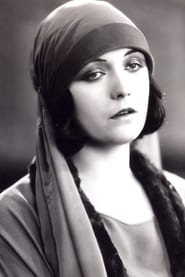
The production of 'The Wildcat' was marked by Ernst Lubitsch's meticulous attention to visual comedy and his growing mastery of cinematic storytelling. Lubitsch worked closely with cinematographer Theodor Sparkuhl to create a visual style that emphasized the contrast between the rigid, geometric world of the military and the organic, chaotic world of the mountain bandits. The relationship between Lubitsch and Pola Negri was both professional and personal, and this film represents the culmination of their creative partnership in Germany. The director insisted on extensive location shooting in the Bavarian Alps, which was unusual and expensive for the time but gave the film its distinctive atmosphere. The cast underwent significant preparation, with the actors playing bandits spending time with actual mountain people to understand their mannerisms and lifestyle. Lubitsch's innovative use of space and composition in the film influenced countless later directors, particularly in how he used architectural elements to enhance comedic situations.
What critics said
Retrospective notes on The Wildcat emphasize its value as a transitional sound-era artifact rather than blockbuster reception.
Did you know?
- This was Pola Negri's final German film before she moved to Hollywood, marking the end of her collaboration with Lubitsch in Germany
- The film's German title 'Die Bergkatze' literally translates to 'The Mountain Cat,' referring to Negri's character's wild nature
- Lubitsch considered this one of his most personal and favorite works, despite it being less commercially successful than some of his other films
- The mountain fortress set was among the costliest and elaborate constructed in German cinema up to that time
- The film features some of the most sophisticated visual comedy of the silent era, with Lubitsch's famous 'Lubitsch touch' fully developed
- Many of the bandit characters were played by actual mountain people from the Bavarian Alps, adding authenticity to the performances
- The film was banned in some countries for its subversive take on military authority
- Negri performed many of her own stunts, including climbing sequences that were considered dangerous for the time
- The costume design for Rischka was revolutionary for its time, emphasizing wildness over glamour
- The film's restoration in the 1990s revealed previously unseen details in the elaborate sets and costumes
Awards & recognition
- No major awards were given for this film as award systems were not yet established in 1921
Visual style
The cinematography by Theodor Sparkuhl is notable for its sophisticated use of light and shadow to create contrast between the rigid, angular world of the military and the organic, flowing world of the mountain bandits. The film employs innovative camera movements for the time, including tracking shots that follow characters through the elaborate sets. Sparkuhl's work demonstrates a mastery of composition, using architectural elements to enhance the comedy and emphasize the contrast between order and chaos. The mountain sequences feature breathtaking cinematography that captures both the beauty and danger of the alpine setting. The visual style anticipates later developments in film comedy, particularly in how it uses space and framing to create and resolve comedic situations.
Innovations
The film featured groundbreaking set design that created a fully realized mountain fortress environment, among the leading elaborate of its time. Lubitsch's innovative use of architectural space for comedic purposes was technically advanced for 1921. The film's editing techniques, particularly in its action sequences and comedic timing, were sophisticated for the period. The production overcame significant technical challenges in filming mountain locations, developing new methods for outdoor cinematography in difficult terrain. The film's special effects, while subtle, demonstrated technical innovation in creating the illusion of remote mountain environments. The costume design and makeup techniques used to create the distinctive appearance of the mountain bandits were particularly innovative.
Music
As a silent film, 'The Wildcat' was originally accompanied by live musical performances that varied by theater and location. The typical score would have included classical pieces adapted for the film's mood, with lively marches for military scenes and romantic themes for the love story elements. Modern restorations have featured newly composed scores by silent film specialists, often incorporating period-appropriate musical styles. The most recent restoration includes a score by composer Stephen Horne that captures both the comedic and romantic elements of the film while maintaining its early 20th-century aesthetic. The music plays a crucial role in enhancing the film's visual comedy and emotional moments.
Famous quotes
As a silent film, dialogue was conveyed through intertitles, with key romantic intertitles including 'You are the wildest thing I have ever seen' and 'In the mountains, there are no rules'
Memorable scenes
- The opening sequence establishing the rigid military routine at the remote fortress
- Rischka's first appearance, swinging down from the mountains to capture the lieutenant
- The chaotic dinner scene where bandits and military personnel attempt to interact
- The climactic chase sequence through the mountain passes
- The final romantic confrontation between Rischka and Alexis as they bridge their two worlds
What audiences thought
The film was moderately successful with German audiences, though it didn't achieve the blockbuster status of some of Lubitsch's other works. International audiences, particularly in France and the United States, responded positively to the film's visual comedy and Pola Negri's charismatic performance. The film's satirical elements resonated with audiences weary of military authority following World War I. Modern audiences rediscovering the film through revivals and home video have been particularly impressed by its timeless humor and visual sophistication. The film has developed a cult following among silent film enthusiasts and cinema scholars who appreciate its innovative techniques and Lubitsch's distinctive directorial style.
Film connections
Influenced by
- German Expressionism (in visual style)
- Commedia dell'arte (in character archetypes)
- Molière's comedies (in social satire)
- Chaplin's visual comedy (in timing and gags)
This film influenced
- The General (1926)
- Duck Soup (1933)
- The Great Dictator (1940)
- Some Like It Hot (1959)
- Dr. Strangelove (1964)
Film restoration
The film has been preserved and restored by various archives, with the most complete version held by the Friedrich Wilhelm Murnau Foundation. A restored version was released in the 1990s with newly commissioned musical score. While some scenes remain lost or damaged, the majority of the film survives in good condition. The restoration has revealed the sophistication of the original cinematography and set design.
Where to watch
- Available on DVD from Kino Lorber with restored print and musical score
- Streaming on The Criterion Channel
- Available for digital rental on Amazon Prime Video
- Screenings at silent film festivals and cinematheques worldwide
- Part of various university film collections for academic study