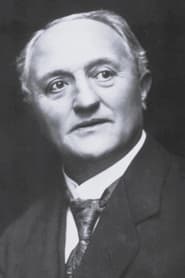
Wilhelm Diegelmann
Actor
Born: January 26, 1861 in Hanau, Hesse, Germany Died: March 1, 1934 Active: 1914-1934
Films
5 films
About Wilhelm Diegelmann
German character actor: the golden age of German silent cinema. Born in Hanau in 1861, he began his theatrical career long before entering films, establishing himself as a respected stage actor in German theaters. Diegelmann transitioned to cinema in the mid-1910s, bringing his theatrical gravitas to the emerging medium of film. He became a familiar face in German Expressionist cinema, working with directors including Fritz Lang, F.W. Murnau, and Ernst Lubitsch. His commanding presence and versatile character portrayals made him particularly effective in roles as authority figures, patriarchs, and comic relief characters. Diegelmann's film career continued through the transition to sound, though his most significant contributions came during the silent era. Wilhelm appears in over 100 films throughout his career, becoming one of German cinema's most reliable character actors until his death in 1934.
The Craft
On Screen
Diegelmann was known for his theatrical, exaggerated acting style typical of the silent era, which he adapted from his extensive stage experience. He possessed a commanding screen presence and excelled at portraying both comic and dramatic characters with equal skill. His performances were characterized by expressive gestures, deliberate movements, and the ability to convey complex emotions through facial expressions and body language. Diegelmann had particular talent for playing authority figures and elderly characters, bringing depth and authenticity to roles that might otherwise have been stereotypical.
Milestones
- Breakthrough role in German Expressionist cinema during the 1910s
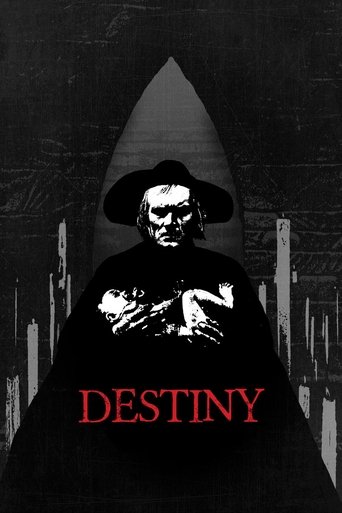
- Collaboration with Fritz Lang on 'Destiny' (1921)
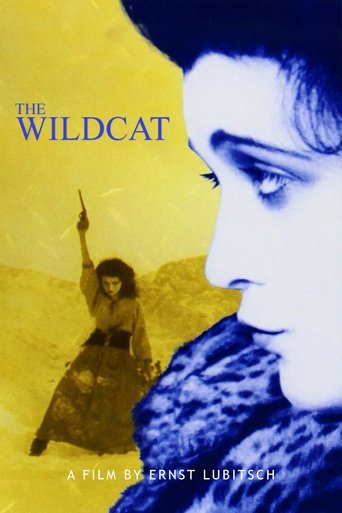
- Memorable performance in Ernst Lubitsch's 'The Wildcat' (1921)
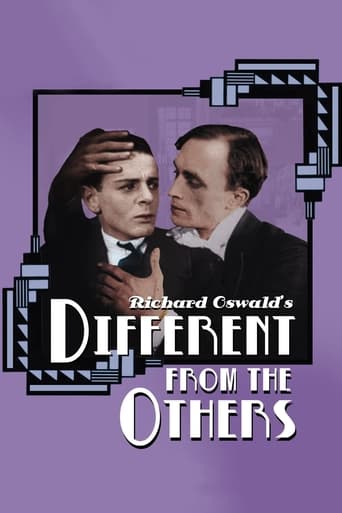
- role in 'Different from the Others' (1919), one of cinema's first LGBT-themed films
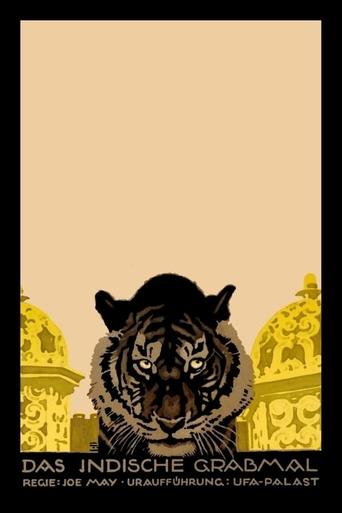
- Extensive work in Joe May's productions including 'The Indian Tomb' series
- Successful transition from stage to film acting
Best Known For
Iconic Roles
Must-See Films
Accolades
Special Recognition
- Recognized as one of German cinema's most prolific character actors of the silent era
Working Relationships
Worked Often With
Studios
Why They Matter
Impact on Culture
Wilhelm Diegelmann contributed significantly to the development of German Expressionist cinema through his memorable character portrayals. His work in groundbreaking films like 'Different from the Others' helped push social boundaries in early cinema, addressing controversial topics with sensitivity and depth. Diegelmann's performances in Fritz Lang's 'Destiny' and other Expressionist classics helped establish the visual and emotional language of this influential film movement. His ability to transition successfully from stage to film represented the broader evolution of acting techniques during the early 20th century.
Lasting Legacy
Diegelmann's legacy lies in his extensive body of work that helped define German silent cinema's golden age. His performances continue to be studied by film scholars and enthusiasts interested in German Expressionism and early 20th-century European cinema. As. Diegelmann represents the generation of classically trained actors who successfully adapted their craft to the new medium of cinema, bridging theatrical traditions with cinematic innovation.
Who They Inspired
Diegelmann influenced subsequent generations of German character actors through his demonstrated versatility and commitment to craft. His ability to portray both comic and serious roles with equal effectiveness set a standard for supporting actors in German cinema. Younger actors learned from his techniques of conveying emotion and character through the limited means available in silent film. His work in socially progressive films like 'Different from the Others' showed how cinema could address complex social issues, influencing future filmmakers to tackle controversial subjects.
Off Screen
Wilhelm Diegelmann maintained a relatively private personal life despite his public career. He was married and had children, though specific details about his family life remain limited in historical records. His dedication to the craft of acting was evident in his transition from theater to film and his ability to adapt to changing cinematic technologies. Diegelmann was respected among his peers for his professionalism and versatility, qualities that contributed to his long and successful career in German entertainment.
Education
Theatrical training in German theaters; formal education details not documented
Family
- Unknown (married)
Did You Know?
- Began his career as a stage actor before transitioning to films in his 50s
- Appeared in over 100 films during his 20-year film career
- Was particularly known for his ability to play characters much older than his actual age
- Worked with nearly every major German director of the silent era
- His active years covered from the early days of German cinema through the transition to sound
- Often played patriarchal figures, innkeepers, judges, and other authority roles
- Was part of the ensemble cast that made German Expressionist cinema internationally renowned
- Continued acting in films until shortly before his death at age 73
- His theatrical background gave him a distinctive presence that set him apart from other film actors
- Contributed to several of the most important and influential German films of the 1920s
In Their Own Words
The stage teaches you to project your voice, but film teaches you to project your soul
Every character, no matter how small, deserves the truth of the actor's complete attention
Frequently Asked Questions
Who was Wilhelm Diegelmann?
Prolific German character with credits in this catalog. He was known for his versatile performances in Expressionist films and his ability to play both comic and dramatic roles with equal skill.
What films is Wilhelm Diegelmann best known for?
Titles linked here include Different from the Others (1919), Destiny (1921).
When was Wilhelm Diegelmann born and when did he die?
Born January 26, 1861; died March 1, 1934.
What awards did Wilhelm Diegelmann win?
During Wilhelm Diegelmann's era, the formal award systems we know today did not exist in German cinema. However, he was recognized as.
What was Wilhelm Diegelmann's acting style?
Diegelmann's acting style was characterized by theatrical expressiveness adapted for silent film, drawing from his extensive stage experience. He excelled at conveying complex emotions through gesture and expression, particularly in roles as authority figures and patriarchal characters.